THE ADVENTURE COLLECTIVE® · Independent discovery and booking for outdoor travel

Walk St. James and Mayfair with a guide who traces three centuries of music from Handel’s compositions to Bowie’s photo shoots. This easy 1.5–2 hour tour stitches plaques, churches and courtyards into a living music map of central London.
Walk St. James and Mayfair with a guide who traces three centuries of music from Handel’s compositions to Bowie’s photo shoots. This easy 1.5–2 hour tour stitches plaques, churches and courtyards into a living music map of central London.
The guide leads a small group out onto Piccadilly on a damp morning; glass shopfronts and Georgian facades reflect the first light while traffic and distant brass instruments thread through the air. Walkers move from Wren-era stone to Edwardian storefronts, listening as the guide points to plaques, doorways and a narrow courtyard where music history concentrated into everyday streets.
Verified experiences and guided adventures in the surrounding area.
Operated by Londonsbestbyfoot · London, England
The guide leads a small group out onto Piccadilly on a damp morning; glass shopfronts and Georgian facades reflect the first light while traffic and distant brass instruments thread through the air. Walkers move from Wren-era stone to Edwardian storefronts, listening as the guide points to plaques, doorways and a narrow courtyard where music history concentrated into everyday streets.
This stretch of St. James and Mayfair has been a stage for three centuries of sound: Handel wrote and premiered works nearby in the mid-1700s, music halls and grand hotels broadcast popular songs in the early 20th century, and the swinging Sixties left photographic and lyric scars across the neighbourhood. Beneath the pavement runs London Clay and the buried course of the River Tyburn, which shaped street lines and low-lying cellars. Cultural memory here is physical—church organs, club basements and apartment windows all mark the city’s musical layering.
Practicalities are straightforward: expect roughly 1.5–2 hours of mostly flat, paved walking covering about 1–1.5 miles with several short stops; the pace is conversational rather than strenuous. Wear comfortable shoes and a light jacket—streets are exposed to wind and rain—and bring a charged phone for maps and photos. Public transport options cluster nearby (Piccadilly, Green Park and Bond Street stations), and groups are small enough to move through crowds efficiently. For history lovers and casual listeners alike, the tour translates plaques into stories and streets into a playlist, pairing sensory detail with clear logistics so visitors can plan a crisp, informed outing.
The meeting point is a named church entrance on Piccadilly; the voucher and booking confirmation list the precise address and a map pin.
Yes—streets and stop locations are accessible, though older surfaces may be uneven in spots; contact the operator for specific assistance needs.
This tour is led in English by a qualified local guide; check availability for other languages at booking.
Full refunds are available if you cancel at least 24 hours before departure; last-minute cancellations are non-refundable.
Londonsbestbyfoot operates guided outdoor trips and adventures with an emphasis on safety, stewardship, and memorable experiences.

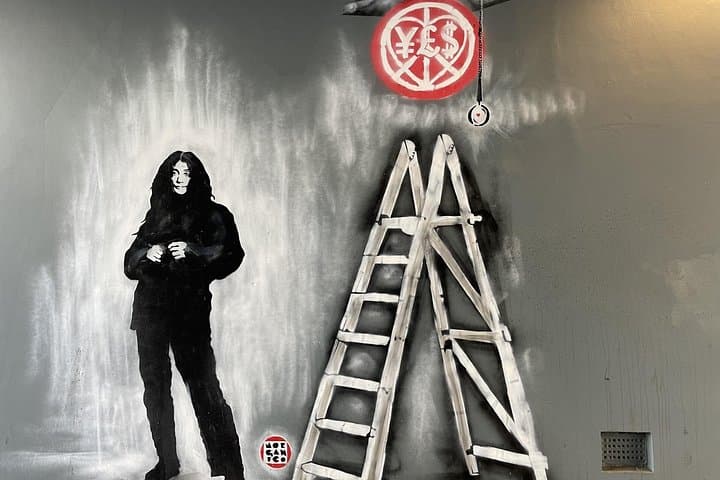
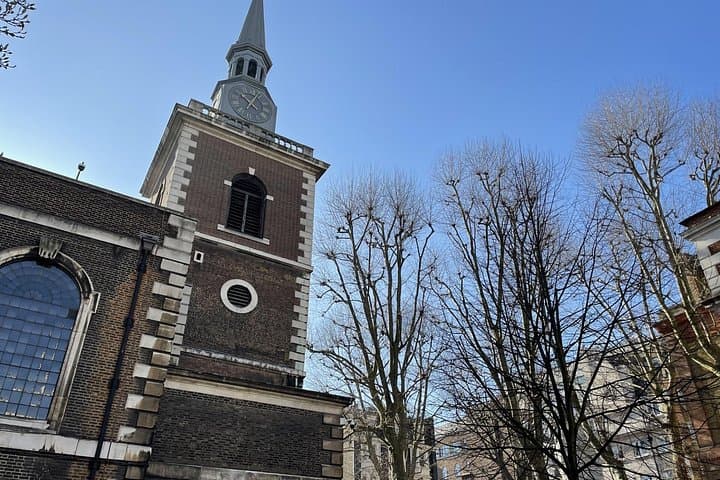

The guide leads a small group out onto Piccadilly on a damp morning; glass shopfronts and Georgian facades reflect the first light while traffic and distant brass instruments thread through the air. Walkers move from Wren-era stone to Edwardian storefronts, listening as the guide points to plaques, doorways and a narrow courtyard where music history concentrated into everyday streets.
The guide leads a small group out onto Piccadilly on a damp morning; glass shopfronts and Georgian facades reflect the first light while traffic and distant brass instruments thread through the air. Walkers move from Wren-era stone to Edwardian storefronts, listening as the guide points to plaques, doorways and a narrow courtyard where music history concentrated into everyday streets.
This stretch of St. James and Mayfair has been a stage for three centuries of sound: Handel wrote and premiered works nearby in the mid-1700s, music halls and grand hotels broadcast popular songs in the early 20th century, and the swinging Sixties left photographic and lyric scars across the neighbourhood. Beneath the pavement runs London Clay and the buried course of the River Tyburn, which shaped street lines and low-lying cellars. Cultural memory here is physical—church organs, club basements and apartment windows all mark the city’s musical layering.
Practicalities are straightforward: expect roughly 1.5–2 hours of mostly flat, paved walking covering about 1–1.5 miles with several short stops; the pace is conversational rather than strenuous. Wear comfortable shoes and a light jacket—streets are exposed to wind and rain—and bring a charged phone for maps and photos. Public transport options cluster nearby (Piccadilly, Green Park and Bond Street stations), and groups are small enough to move through crowds efficiently. For history lovers and casual listeners alike, the tour translates plaques into stories and streets into a playlist, pairing sensory detail with clear logistics so visitors can plan a crisp, informed outing.