THE ADVENTURE COLLECTIVE® · Independent discovery and booking for outdoor travel

Learn sport climbing on volcanic basalt in Barranco del Rey, a 3‑hour guided experience near Adeje. This accessible introduction combines technical coaching, coastal views, and the island’s guanche history.
Learn sport climbing on volcanic basalt in Barranco del Rey, a 3‑hour guided experience near Adeje. This accessible introduction combines technical coaching, coastal views, and the island’s guanche history.
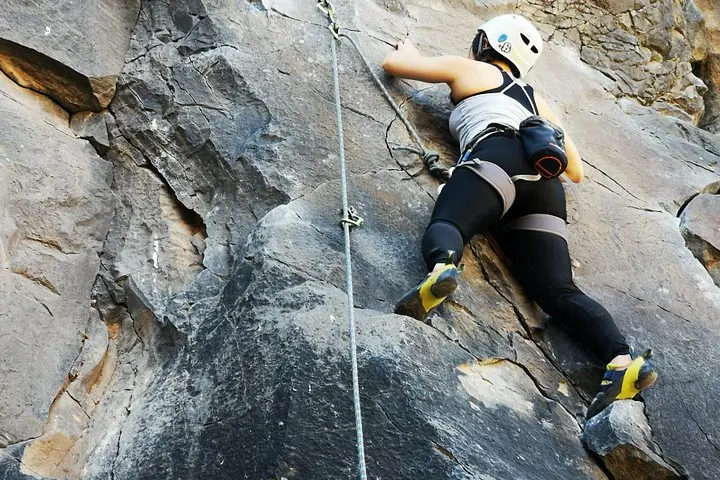
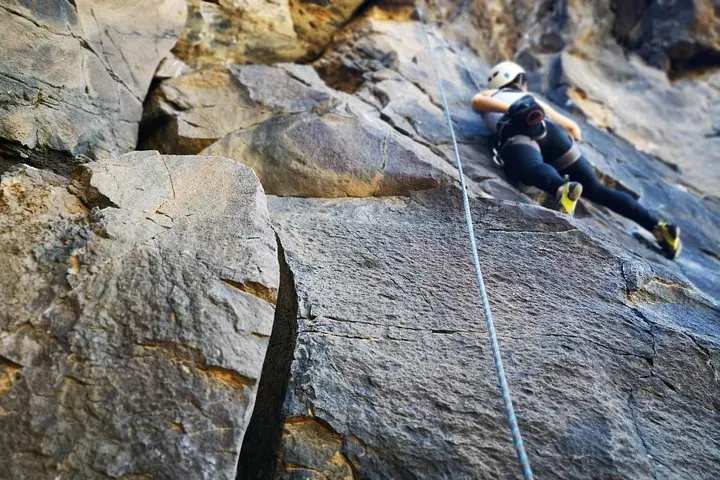
Sunlight slices through the throat of Barranco del Rey and warms the volcanic rock as you lace up. The trail underfoot is a ribbon of compacted sand and loose pumice; gullies breathe cool air that smells faintly of salt and thyme. A small group—families, solo travelers, a woman who climbs with deliberate economy—follows a guide and a shaggy, all-terrain poodle named V toward a wall cut by ancient lava flows. The briefing is brisk: helmets on, harness snug, ropes checked. Then your fingers find the first rough hold and the rock begins to speak.
Verified experiences and guided adventures in the surrounding area.
Operated by Adrenaline adventure Tenerfie · Arona, Santa Cruz de Tenerife
Sunlight slices through the throat of Barranco del Rey and warms the volcanic rock as you lace up. The trail underfoot is a ribbon of compacted sand and loose pumice; gullies breathe cool air that smells faintly of salt and thyme. A small group—families, solo travelers, a woman who climbs with deliberate economy—follows a guide and a shaggy, all-terrain poodle named V toward a wall cut by ancient lava flows. The briefing is brisk: helmets on, harness snug, ropes checked. Then your fingers find the first rough hold and the rock begins to speak.
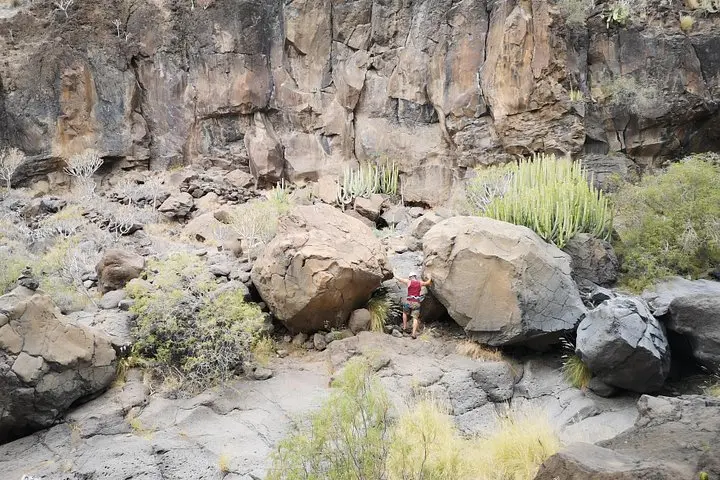
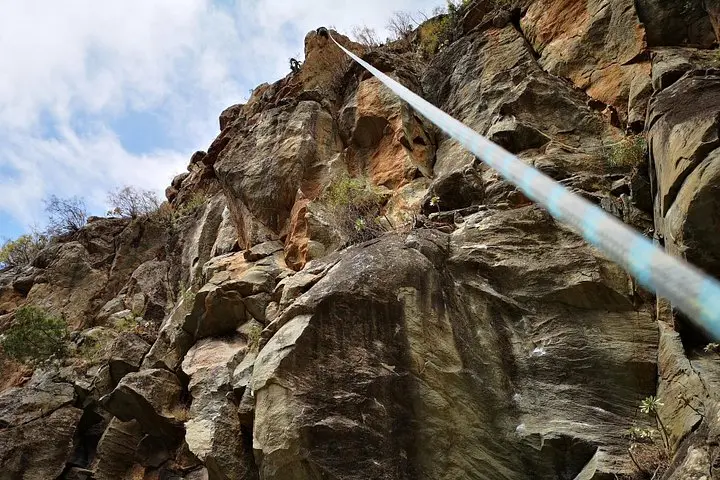
Barranco del Rey sits on the sun-baked southern slope of Tenerife, a landscape carved by recent volcanic upheaval and centuries of flash floods. The guanche people left traces in caves along the ravine; those hollowed faces and ledges are part of the climb’s backdrop, a human history pressed into basalt. The cliffs here are columnar and blocky, a climber’s playground of ridges, pockets, and short, punchy routes that rarely exceed 20 meters—perfect for learning sport climbing and feeling the adrenaline of exposure without committing to a multi-pitch wall.
Geology is tactile: the basalt is coarse and grippy, peppered with small crystals that your fingertips can read. Sea breezes push up the gorge in the afternoon, cooling sweaty palms and carrying the cry of kestrels above. Locals in Adeje and Arona treat the ravine as both a training ground and a quiet cultural landscape—a place where outdoor sport meets the island’s layered past.
Practicality rules here. The operator supplies helmet, harness, rope and belay gear; instructors lead routes and secure top-ropes for safety. Expect 20 minutes of approach on a rocky footpath and up to three hours on site, during which you’ll try several lines at varying heights and difficulties. Guides teach basic movement, footwork, and how to trust your feet—one reason climbers of different sizes and ages often find rapid progress.
Plan for sun and wind: morning sessions bring softer light and calmer air; late afternoon can be cooler but gustier. Footwear with grippy soles helps on the approach; climbing shoes are provided or available, but if you rent, test fit before you start. Hydration is non-negotiable—bring at least a liter—and layer for shifting temperatures. If you have back, heart, or pregnancy concerns, this isn’t the day to test limits; the operators flag these conditions for safety.
By the last climb, the steady rhythm of up-and-down, weight on feet then hands, feels like a conversation with the rock. You come down smiling, slightly tired, and a little steadier—prepared not just to climb, but to read the island beneath your boots.
No—this is an introductory sport climbing session; guides teach technique, safety and belaying for beginners.
Families and children often participate; operators typically accept children old enough to follow instructions—confirm age on booking.
The GPS meet point is 28.133092, -16.765620 at the trailhead for Barranco del Rey in south Tenerife; check your confirmation for exact directions.
Yes—helmet, harness, rope, carabiners and guide services are included; bring your own shoes if you prefer a personal fit.
Sessions may be canceled for heavy rain or unsafe conditions; cancelations offer a full refund if made at least 24 hours before departure.
Yes—guides usually allow photos from belay stances; for safety, avoid hands-on photography while on the wall unless secured and instructed.
Adrenaline adventure Tenerfie operates guided outdoor trips and adventures with an emphasis on safety, stewardship, and memorable experiences.
Sunlight slices through the throat of Barranco del Rey and warms the volcanic rock as you lace up. The trail underfoot is a ribbon of compacted sand and loose pumice; gullies breathe cool air that smells faintly of salt and thyme. A small group—families, solo travelers, a woman who climbs with deliberate economy—follows a guide and a shaggy, all-terrain poodle named V toward a wall cut by ancient lava flows. The briefing is brisk: helmets on, harness snug, ropes checked. Then your fingers find the first rough hold and the rock begins to speak.
Sunlight slices through the throat of Barranco del Rey and warms the volcanic rock as you lace up. The trail underfoot is a ribbon of compacted sand and loose pumice; gullies breathe cool air that smells faintly of salt and thyme. A small group—families, solo travelers, a woman who climbs with deliberate economy—follows a guide and a shaggy, all-terrain poodle named V toward a wall cut by ancient lava flows. The briefing is brisk: helmets on, harness snug, ropes checked. Then your fingers find the first rough hold and the rock begins to speak.
Barranco del Rey sits on the sun-baked southern slope of Tenerife, a landscape carved by recent volcanic upheaval and centuries of flash floods. The guanche people left traces in caves along the ravine; those hollowed faces and ledges are part of the climb’s backdrop, a human history pressed into basalt. The cliffs here are columnar and blocky, a climber’s playground of ridges, pockets, and short, punchy routes that rarely exceed 20 meters—perfect for learning sport climbing and feeling the adrenaline of exposure without committing to a multi-pitch wall.
Geology is tactile: the basalt is coarse and grippy, peppered with small crystals that your fingertips can read. Sea breezes push up the gorge in the afternoon, cooling sweaty palms and carrying the cry of kestrels above. Locals in Adeje and Arona treat the ravine as both a training ground and a quiet cultural landscape—a place where outdoor sport meets the island’s layered past.
Practicality rules here. The operator supplies helmet, harness, rope and belay gear; instructors lead routes and secure top-ropes for safety. Expect 20 minutes of approach on a rocky footpath and up to three hours on site, during which you’ll try several lines at varying heights and difficulties. Guides teach basic movement, footwork, and how to trust your feet—one reason climbers of different sizes and ages often find rapid progress.
Plan for sun and wind: morning sessions bring softer light and calmer air; late afternoon can be cooler but gustier. Footwear with grippy soles helps on the approach; climbing shoes are provided or available, but if you rent, test fit before you start. Hydration is non-negotiable—bring at least a liter—and layer for shifting temperatures. If you have back, heart, or pregnancy concerns, this isn’t the day to test limits; the operators flag these conditions for safety.
By the last climb, the steady rhythm of up-and-down, weight on feet then hands, feels like a conversation with the rock. You come down smiling, slightly tired, and a little steadier—prepared not just to climb, but to read the island beneath your boots.