THE ADVENTURE COLLECTIVE® · Independent discovery and booking for outdoor travel

Walk the only open beach in Barranquilla where the Magdalena River fingers into the Caribbean. Expect shallow, calm swims, fresh seafood kiosks, and shifting sandbars shaped by river sediment and sea current.
Walk the only open beach in Barranquilla where the Magdalena River fingers into the Caribbean. Expect shallow, calm swims, fresh seafood kiosks, and shifting sandbars shaped by river sediment and sea current.
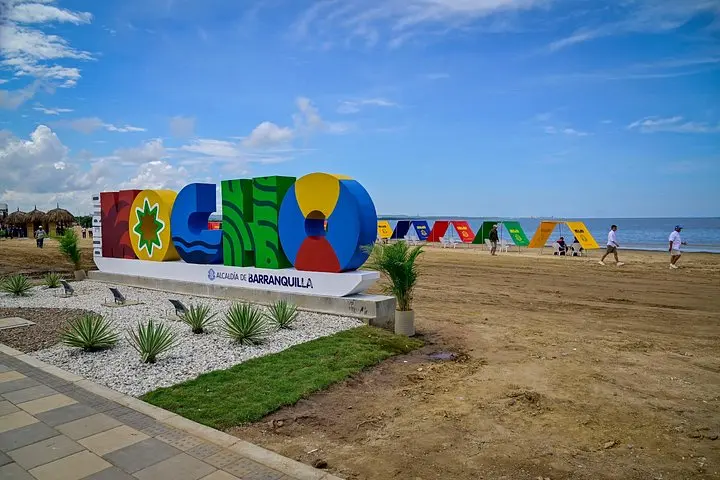
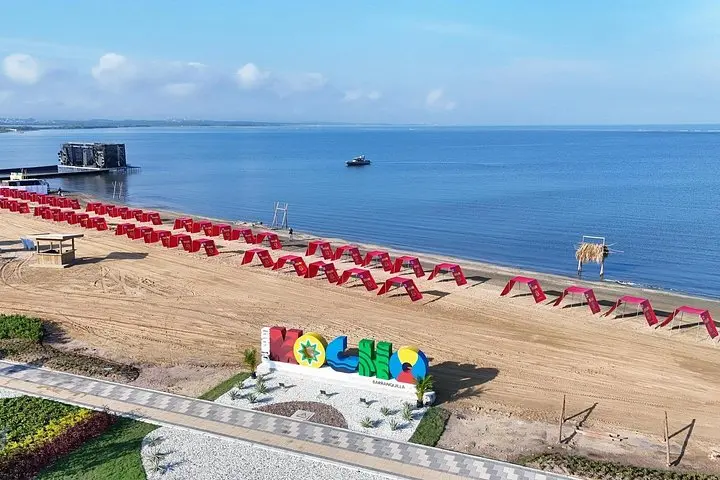
You step onto a wide strip of sand where two currents argue — the Magdalena flowing south to north, the Caribbean pushing salt and tide inward. The air smells of fish smoke and ocean algae; children run along shallow, calm water while breeze-tattered kiosks promise fried fish and coconut rice.
Verified experiences and guided adventures in the surrounding area.
Operated by NATIVO TRAVEL · Barranquilla, Atlántico
You step onto a wide strip of sand where two currents argue — the Magdalena flowing south to north, the Caribbean pushing salt and tide inward. The air smells of fish smoke and ocean algae; children run along shallow, calm water while breeze-tattered kiosks promise fried fish and coconut rice.
This stretch at Puerto Mocho is Barranquilla’s only open, natural beach where the river mouth creates a slow, brackish meeting zone. Geologically it’s dynamic: sediment from the Magdalena builds bars and channels that shift with seasonal floods and coastal currents. Culturally the area is practical and lively — fishermen, kiosk cooks and vendors have long used this seam of river and sea to feed the city and celebrate coastal flavors.
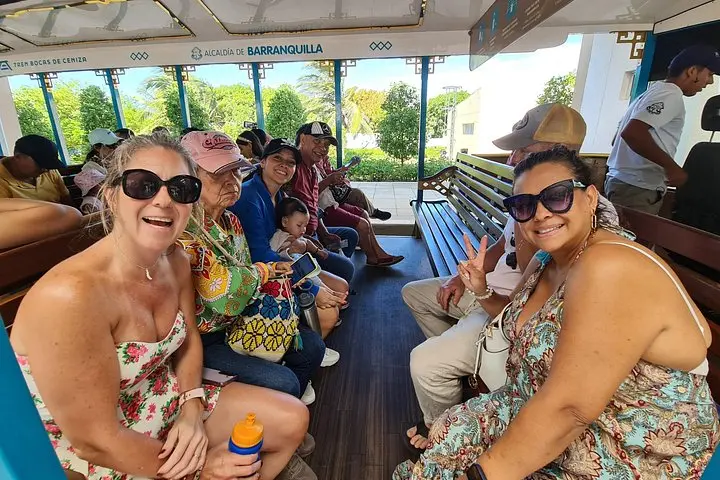
Expect shallow swimming in protected water, soft sand, and long shoreline walks rather than surf. The Tourist Train ticket included in many tours links the urban history of Barranquilla — a port city that grew from river trade and Caribbean commerce — to today’s beachside kiosks offering fresh seafood.
Practical guidance: plan for sun and reflective water; bring water shoes for mixed sand and shell patches and a dry bag for phones. Timing matters — mornings and late afternoons are cooler and have calmer water; mid-day brings stronger sun and more vendors. Respect local vendors and fisheries: buy a meal, carry out trash, and avoid walking on fragile sandbars that host nesting birds. This is an easy, accessible half-day escape that pairs swimming with a vivid coastal snapshot of northern Colombia.
Yes — swimming is generally safe in the shallow, protected areas near Puerto Mocho, but avoid strong currents and follow local guide instructions.
Local kiosks serve regional dishes like fried fish and coconut rice; basic restroom facilities may be limited so plan accordingly.
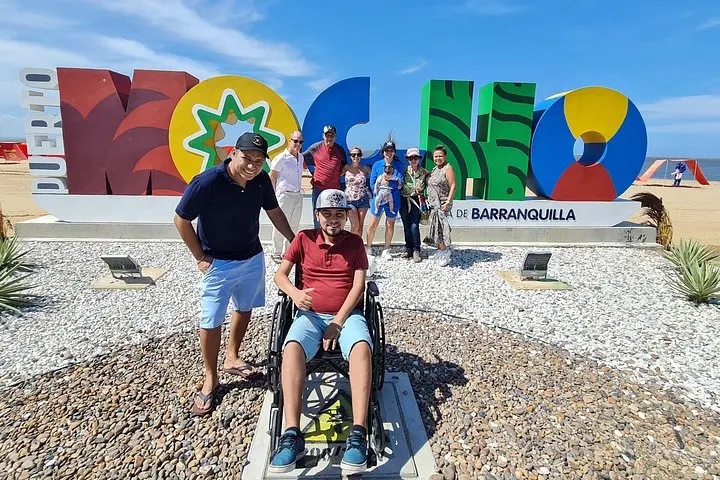
Expect short, flat walks along the beach and to kiosks — this is accessible for most travelers with minimal elevation change.
Many tours include private air-conditioned transport and a Tourist Train ticket; confirm pickup and return details when booking.
NATIVO TRAVEL operates guided outdoor trips and adventures with an emphasis on safety, stewardship, and memorable experiences.
You step onto a wide strip of sand where two currents argue — the Magdalena flowing south to north, the Caribbean pushing salt and tide inward. The air smells of fish smoke and ocean algae; children run along shallow, calm water while breeze-tattered kiosks promise fried fish and coconut rice.
You step onto a wide strip of sand where two currents argue — the Magdalena flowing south to north, the Caribbean pushing salt and tide inward. The air smells of fish smoke and ocean algae; children run along shallow, calm water while breeze-tattered kiosks promise fried fish and coconut rice.
This stretch at Puerto Mocho is Barranquilla’s only open, natural beach where the river mouth creates a slow, brackish meeting zone. Geologically it’s dynamic: sediment from the Magdalena builds bars and channels that shift with seasonal floods and coastal currents. Culturally the area is practical and lively — fishermen, kiosk cooks and vendors have long used this seam of river and sea to feed the city and celebrate coastal flavors.
Expect shallow swimming in protected water, soft sand, and long shoreline walks rather than surf. The Tourist Train ticket included in many tours links the urban history of Barranquilla — a port city that grew from river trade and Caribbean commerce — to today’s beachside kiosks offering fresh seafood.
Practical guidance: plan for sun and reflective water; bring water shoes for mixed sand and shell patches and a dry bag for phones. Timing matters — mornings and late afternoons are cooler and have calmer water; mid-day brings stronger sun and more vendors. Respect local vendors and fisheries: buy a meal, carry out trash, and avoid walking on fragile sandbars that host nesting birds. This is an easy, accessible half-day escape that pairs swimming with a vivid coastal snapshot of northern Colombia.