THE ADVENTURE COLLECTIVE® · Independent discovery and booking for outdoor travel

Build a 2‑liter oak barrel, char it, and fill it with sake or shochu chosen by Brooklyn Kura. This four‑hour, beginner‑friendly workshop blends coopering, tasting, and hands‑on craft in Industry City.
Build a 2‑liter oak barrel, char it, and fill it with sake or shochu chosen by Brooklyn Kura. This four‑hour, beginner‑friendly workshop blends coopering, tasting, and hands‑on craft in Industry City.
Book with Craftsman Ave
Verified experiences and guided adventures in the surrounding area.
Operated by Craftsman Ave · Brooklyn, New York
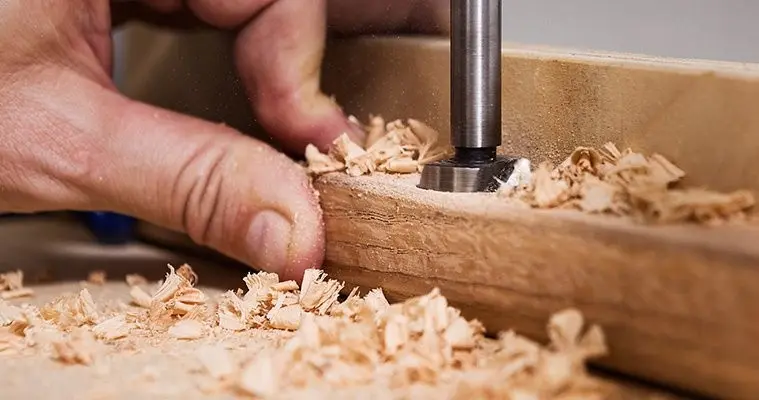
In the industrial grid of Sunset Park’s Industry City, a four‑hour, hands‑on workshop turns the mechanics of barrel making into something immediate and joyful. Craftsman Ave’s Barrel Age Your Own Sake — A Brooklyn Kura Workshop runs at the Craftsman Ave Workshop at 68 34th St. Brooklyn, NY 11232 and starts with a small group, a table of oak staves, and a torch. Over the course of the afternoon you’ll build a 2‑liter oak barrel from raw stave to sealed head. No prior experience is required; instructors guide you through shaping staves, cutting crozes on a router table, seating heads, fitting hoops, and charring the interior with a handheld torch until the wood sings. The result is a fully functional barrel you personalize with branding and take home the same day to age sake or shochu. What sets this class apart is its partnership with Brooklyn Kura, an on‑site brewer across Industry City that supplies the sake and shochu chosen for barrel finishing. A tasting flight led by a sake expert introduces three rotating sakes and a shochu — junmai styles that shift from floral and peach to dry, citrus‑bright expressions — each selected for how it responds to wood aging. Kura also distills kasu (sake lees) into shochu, a rice spirit with an umami richness that picks up color and toast in a short time in a small barrel. The workshop reads like a craft trade school and a tasting room at once: hand tools and router tables meet sensory lessons about rice, koji, yeast, and water. The shop keeps groups to 12–15 people, so questions land and everyone gets hands‑on time. Accessibility is straightforward: the venue accommodates wheelchairs and strollers, and the workshop is beginner‑friendly for anyone over 21. This experience doubles as a gateway to Industry City’s longer walkable loop — makers, food stalls, and waterfront viewpoints lie a short stroll away — and it’s an unusual way to bring a piece of Brooklyn home that will change year to year as the barrel works on flavor. Practical takeaways include understanding char levels, how rice‑based spirits differ from distilled grain whiskey, and how a small oak surface area accelerates oxidative and flavor changes. Bring curiosity, comfortable clothes that can tolerate a little soot, and an appetite for a tasting flight. For anyone curious about fermentation, coopering, or at‑home barrel aging, this Brooklyn workshop compresses craft, chemistry, and community into a single rewarding afternoon. Expect to leave not only with a handmade barrel but with notes on toast level, recommended fill proof, recommended cellar conditions, and a clearer sense of how time and wood interact — practical knowledge you’ll use back home.
No. The workshop is beginner‑friendly and instructors guide every step from staves to hoops.
Participants must be 21 or older because the session includes a hosted sake and shochu tasting.
Yes — you assemble and fill a functional ~2‑liter oak barrel the same day to take home.
Yes. The workshop space is stroller and wheelchair accessible per the listing.
Small barrels accelerate interaction with wood; you’ll notice changes in weeks to months depending on char and storage conditions.
Brooklyn Kura selects tasting options based on season and aging suitability, and instructors will guide choices that work best for wood aging.
Craftsman Ave is a hands-on maker workshop company that runs a wide range of craft and fabrication classes. The business offers workshops in metalworking, woodworking, stained glass, bladesmithing, leatherwork, electronics refurbishment, and cocktail barrel aging. Classes range from brief 3–4 hour beginner sessions to intensive full-day experiences and intermediate blacksmithing, giving students practical, project-based learning. Instructors at Craftsman Ave focus on safety and skill development, teaching soldering, welding, forging, knife heat-treating, CNC basics, and finishing techniques. Projects listed include stained glass nightlights and art pieces, copper lamp construction, steel planter fabrication, custom side tables and longboards, classic Game Boy refurbishment, and multiple knife-making formats from railroad spike blades to Damascus steel creations. Several offerings mention sessions held in Brooklyn. Craftsman Ave emphasizes hands-on instruction with small-group workshops that guide participants from tool introduction to finished, personalized projects. The curriculum covers practical techniques—measuring, cutting, soldering, hammer-forging, quenching, polishing, and handle fitting—so participants leave with tangible skills and a completed object. Bookings are typically organized per-session with explicit project outcomes, materials use, and instructor support. The business presents a diverse set of workshops that combine traditional craft methods and modern fabrication tools to help hobbyists, gift-givers, and aspiring makers create high-quality, customized goods. Safety protocols, instructor oversight, and supplied materials are standard for each session, and many workshops are suitable for group events, corporate team-building, birthday parties, and personalized gift-making. Participants receive step-by-step instruction and take home a finished, usable item that reflects individual design choices and learned techniques and continued support.

Book with Craftsman Ave