THE ADVENTURE COLLECTIVE® · Independent discovery and booking for outdoor travel

An accessible, wheelchair-friendly five-day tour through Seoul and nearby highlights—palaces, markets, islands, and a cable car over lake and mountain—designed for comfort and cultural depth. Learn what to expect, practical planning tips, and local insights for an easier, fuller visit.
An accessible, wheelchair-friendly five-day tour through Seoul and nearby highlights—palaces, markets, islands, and a cable car over lake and mountain—designed for comfort and cultural depth. Learn what to expect, practical planning tips, and local insights for an easier, fuller visit.
You arrive in Seoul through a smooth, wheelchair-accessible transfer, the city unfolding in wide boulevards and river-bright reflections of glass. The Han River dares you to look up at Sebitseom’s glowing islands; narrow alleys of Bukchon nudge history steps from high-rise modernity. This is an urban route planned without barriers—curbs ramped, vehicles adapted, and itineraries paced for ease.
Verified experiences and guided adventures in the surrounding area.
Operated by Best disabled tour in Korea · Seoul, Seoul
You arrive in Seoul through a smooth, wheelchair-accessible transfer, the city unfolding in wide boulevards and river-bright reflections of glass. The Han River dares you to look up at Sebitseom’s glowing islands; narrow alleys of Bukchon nudge history steps from high-rise modernity. This is an urban route planned without barriers—curbs ramped, vehicles adapted, and itineraries paced for ease.
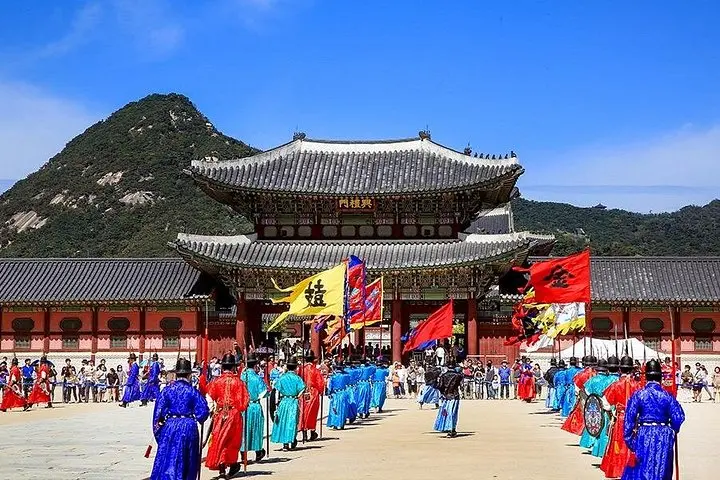
The route traces five days of Korea’s layered past: Joseon-era palaces like Gyeongbokgung with their wooden pavilions and carefully sited ponds; Insa-dong’s galleries that kept craft traditions alive through rapid modernization; and the Blue House grounds, recently opened to the public and reframing a political landmark as civic parkland. Geologically, the Seoul basin sits between low granite ridges and the Han River floodplain, giving the city its ridged skyline and park corridors. Cultural beats—Nanta performances, teahouse rituals, and market vendors at Kwangjang—anchor the sensory map.
Practically, this tour balances sightseeing with rest: daytime palace visits intersperse with air-conditioned transit, lunch and dinner arranged with accessible options, and an optional cable car up Samaksan for lake and mountain perspectives. Expect short urban walks on even surfaces, assisted transfers, and guides familiar with mobility needs. Pack an accessible travel wheelchair if you use one, confirm airport assistance in advance, and schedule key admissions early to avoid crowds. Hydrate between stops and plan slower mornings when humidity or heat peaks. This is a cultural-first, accessibility-focused introduction to Korea—designed so the landscape and history move with you, not against you.
Yes—transport, most attractions, and surfaces are described as wheelchair accessible, but confirm individual site accessibility and any elevator status before travel.
The tour provides arranged meals with options; notify special diets in booking questions so restaurants can prepare alternatives.
This is a private multi-day tour and can be tailored to pace, mobility needs, and preferred sites—request adjustments at booking or with the guide.
All sales are final; there are no refunds for cancellations, so double-check travel dates and requirements before booking.
Best disabled tour in Korea operates guided outdoor trips and adventures with an emphasis on safety, stewardship, and memorable experiences.
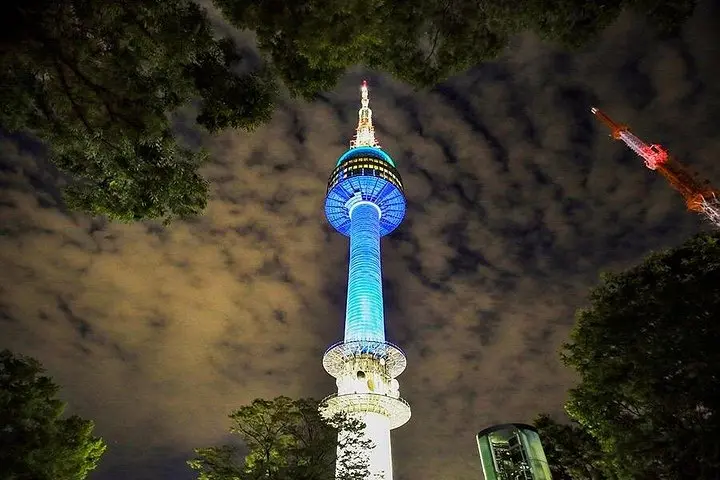
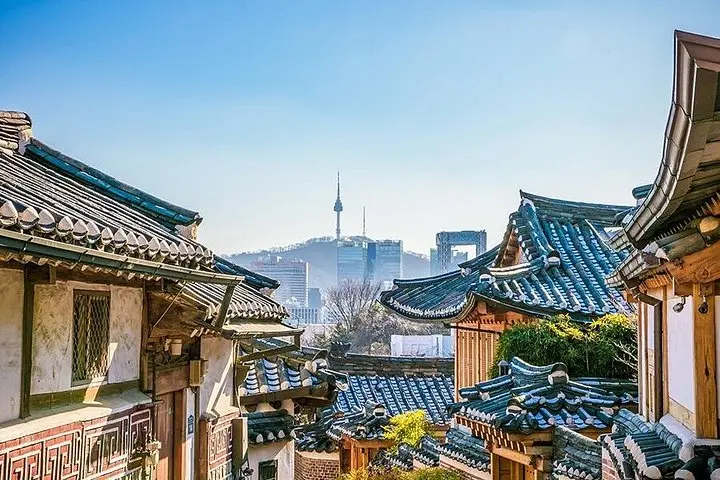
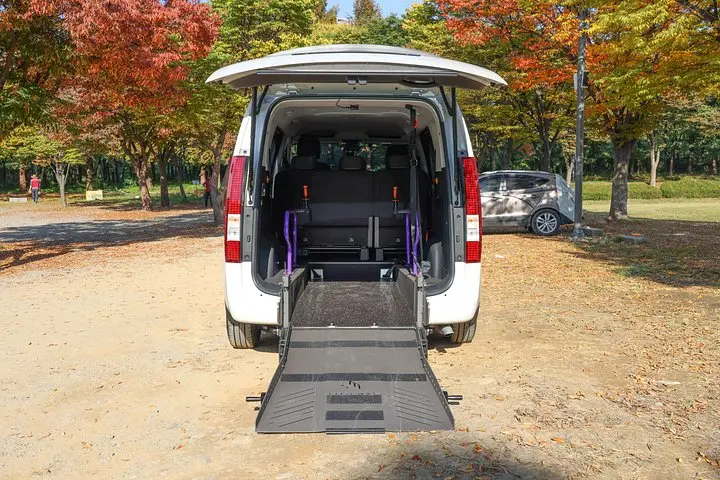
You arrive in Seoul through a smooth, wheelchair-accessible transfer, the city unfolding in wide boulevards and river-bright reflections of glass. The Han River dares you to look up at Sebitseom’s glowing islands; narrow alleys of Bukchon nudge history steps from high-rise modernity. This is an urban route planned without barriers—curbs ramped, vehicles adapted, and itineraries paced for ease.
You arrive in Seoul through a smooth, wheelchair-accessible transfer, the city unfolding in wide boulevards and river-bright reflections of glass. The Han River dares you to look up at Sebitseom’s glowing islands; narrow alleys of Bukchon nudge history steps from high-rise modernity. This is an urban route planned without barriers—curbs ramped, vehicles adapted, and itineraries paced for ease.
The route traces five days of Korea’s layered past: Joseon-era palaces like Gyeongbokgung with their wooden pavilions and carefully sited ponds; Insa-dong’s galleries that kept craft traditions alive through rapid modernization; and the Blue House grounds, recently opened to the public and reframing a political landmark as civic parkland. Geologically, the Seoul basin sits between low granite ridges and the Han River floodplain, giving the city its ridged skyline and park corridors. Cultural beats—Nanta performances, teahouse rituals, and market vendors at Kwangjang—anchor the sensory map.
Practically, this tour balances sightseeing with rest: daytime palace visits intersperse with air-conditioned transit, lunch and dinner arranged with accessible options, and an optional cable car up Samaksan for lake and mountain perspectives. Expect short urban walks on even surfaces, assisted transfers, and guides familiar with mobility needs. Pack an accessible travel wheelchair if you use one, confirm airport assistance in advance, and schedule key admissions early to avoid crowds. Hydrate between stops and plan slower mornings when humidity or heat peaks. This is a cultural-first, accessibility-focused introduction to Korea—designed so the landscape and history move with you, not against you.