THE ADVENTURE COLLECTIVE® · Independent discovery and booking for outdoor travel

A compact, three-hour guided walk through Basseterre that pairs market bites with harbor views and local stories. Ideal for food lovers who want context—history, ingredients and neighborhood stops—alongside tastings.
A compact, three-hour guided walk through Basseterre that pairs market bites with harbor views and local stories. Ideal for food lovers who want context—history, ingredients and neighborhood stops—alongside tastings.
You step off the cruise pier into humid air that smells faintly of sea salt and frying oil. Narrow streets open to a bright waterfront—Port Zante’s shipping cranes give way to art deco storefronts and a bustle of vendors selling peppery stews and fried dough. This three-hour walking and tasting loop threads Basseterre’s grid, stopping at market stalls, family-run snack shops, and viewpoints that look across the harbor to the Central Range and the green flank of Mount Liamuiga.
Verified experiences and guided adventures in the surrounding area.
You step off the cruise pier into humid air that smells faintly of sea salt and frying oil. Narrow streets open to a bright waterfront—Port Zante’s shipping cranes give way to art deco storefronts and a bustle of vendors selling peppery stews and fried dough. This three-hour walking and tasting loop threads Basseterre’s grid, stopping at market stalls, family-run snack shops, and viewpoints that look across the harbor to the Central Range and the green flank of Mount Liamuiga.
Basseterre began as a colonial port in the 17th century and still wears that history: Georgian façades, a compact town square, and the legacy of sugar plantations evident in older buildings and local dishes. Geologically, St Kitts is volcanic—the island’s steep, forested ridge shapes weather and the island’s tropical soils that feed cassava, breadfruit and scotch bonnet chilis central to local cuisine. Cultural life here blends African, European and Creole influences—expect lively banter, rum-soaked pastries, and a stew called goat water on many menus.
Practically: the route is urban pavement and short alleys, mostly flat but with one or two stairs; comfortable walking shoes and sun protection matter. Bring cash for market purchases, stay hydrated in the heat, and plan the tour in the morning or late afternoon to avoid the midday sun. Move at the guide’s pace, ask about ingredients and origins of dishes, and save room for a final stop with a view across Port Zante—food here tastes better with a sea breeze and a little local history.
The tour runs about three hours and covers several short walking segments with multiple tasting stops.
Yes—guides can point out vegetarian dishes and ingredients, but notify the operator in advance for specific allergy accommodations.
Older children who can walk for several hours and try new foods will enjoy it; stroller access may be limited on narrow alleys.
Yes—many small vendors prefer cash; carry small bills for purchases and gratuities.
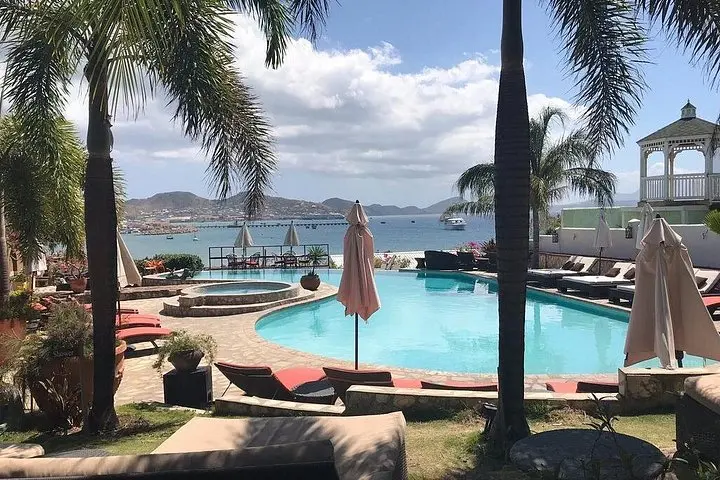
You step off the cruise pier into humid air that smells faintly of sea salt and frying oil. Narrow streets open to a bright waterfront—Port Zante’s shipping cranes give way to art deco storefronts and a bustle of vendors selling peppery stews and fried dough. This three-hour walking and tasting loop threads Basseterre’s grid, stopping at market stalls, family-run snack shops, and viewpoints that look across the harbor to the Central Range and the green flank of Mount Liamuiga.
You step off the cruise pier into humid air that smells faintly of sea salt and frying oil. Narrow streets open to a bright waterfront—Port Zante’s shipping cranes give way to art deco storefronts and a bustle of vendors selling peppery stews and fried dough. This three-hour walking and tasting loop threads Basseterre’s grid, stopping at market stalls, family-run snack shops, and viewpoints that look across the harbor to the Central Range and the green flank of Mount Liamuiga.
Basseterre began as a colonial port in the 17th century and still wears that history: Georgian façades, a compact town square, and the legacy of sugar plantations evident in older buildings and local dishes. Geologically, St Kitts is volcanic—the island’s steep, forested ridge shapes weather and the island’s tropical soils that feed cassava, breadfruit and scotch bonnet chilis central to local cuisine. Cultural life here blends African, European and Creole influences—expect lively banter, rum-soaked pastries, and a stew called goat water on many menus.
Practically: the route is urban pavement and short alleys, mostly flat but with one or two stairs; comfortable walking shoes and sun protection matter. Bring cash for market purchases, stay hydrated in the heat, and plan the tour in the morning or late afternoon to avoid the midday sun. Move at the guide’s pace, ask about ingredients and origins of dishes, and save room for a final stop with a view across Port Zante—food here tastes better with a sea breeze and a little local history.