THE ADVENTURE COLLECTIVE® · Independent discovery and booking for outdoor travel

Ride the Sugar City Train through Basseterre to see colonial mansions, memorials, and old sugar works in an accessible 1–2 hour loop. Perfect for visitors who want a compact, historic orientation of St. Kitts’ capital.
Ride the Sugar City Train through Basseterre to see colonial mansions, memorials, and old sugar works in an accessible 1–2 hour loop. Perfect for visitors who want a compact, historic orientation of St. Kitts’ capital.
The Sugar City Train eases out of Basseterre with a soft rumble, sunlight skimming tile roofs and a trade-wind breeze pushing the carriage windows open. Passengers lean toward the glass to catch the white columned façade of the Governor General’s Mansion, the bronze figures of National Heroes Park, and the rusted outlines of the island’s old sugar works—each stop a page in St. Kitts’ compact, visible history.
Verified experiences and guided adventures in the surrounding area.
Operated by Sugar City Trains · Basseterre, St Kitts
The Sugar City Train eases out of Basseterre with a soft rumble, sunlight skimming tile roofs and a trade-wind breeze pushing the carriage windows open. Passengers lean toward the glass to catch the white columned façade of the Governor General’s Mansion, the bronze figures of National Heroes Park, and the rusted outlines of the island’s old sugar works—each stop a page in St. Kitts’ compact, visible history.
Geology and history are stitched close here: this volcanic island rises abruptly from Caribbean blue, its clay and basalt soils once planted densely with sugar cane. Basseterre grew as the administrative heart of that industry; the tour threads through monuments, a cenotaph, and the site where sugar was processed and traded. Cultural life today reflects African, British and Caribbean influences—market calls, Creole rhythms and small storefronts selling spices and rum.
The guided roadway train offers an accessible, low-effort way to absorb these layers in 1–2 hours, including an exclusive view at the Governor General’s residence and stops at National Heroes Park and the Cenotaph. Bottled water is provided; the route is stroller- and wheelchair-friendly.
Practical notes: take sun protection and a light windlayer, charge your camera, and sit on the shade side in midday sun. Morning departures bring cooler air and stronger photo light. Allow time after the ride to walk Independence Square and the nearby waterfront if you want closer looks. The tour is small-group and a good first orientation for visitors wanting history with easy logistics.
The tour typically lasts between 60 and 120 minutes depending on traffic and time spent at the stops.
Yes—vehicles and surfaces on the route are wheelchair-accessible; indicate needs at booking.
Bottled water is included in the tour inclusions provided to guests.
Photos are welcome; the train makes brief stops—check with the guide if you want extra time, as some points are pass-by only.
Sugar City Trains operates guided outdoor trips and adventures with an emphasis on safety, stewardship, and memorable experiences.
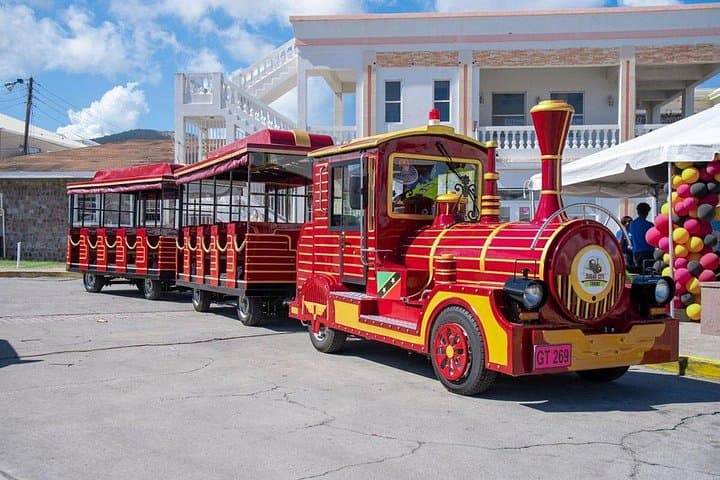
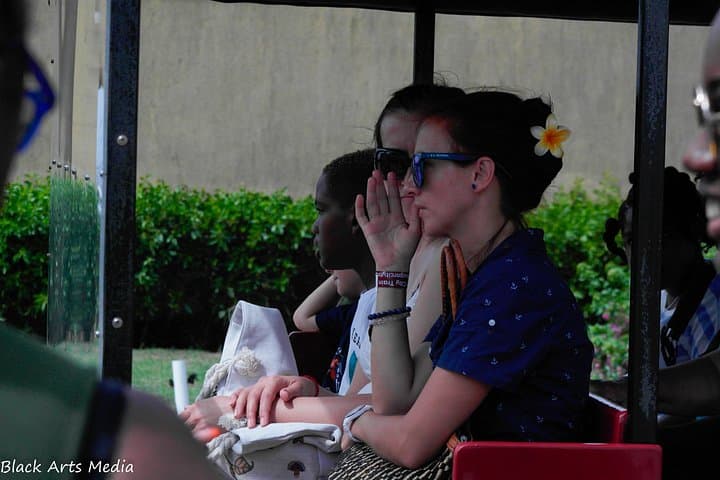
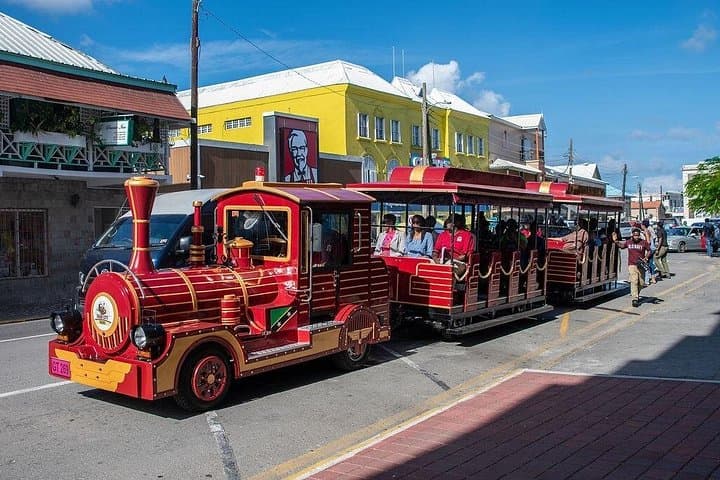
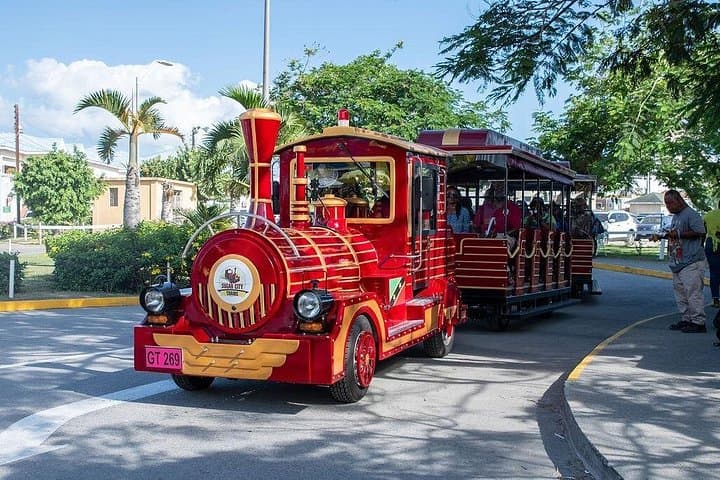
The Sugar City Train eases out of Basseterre with a soft rumble, sunlight skimming tile roofs and a trade-wind breeze pushing the carriage windows open. Passengers lean toward the glass to catch the white columned façade of the Governor General’s Mansion, the bronze figures of National Heroes Park, and the rusted outlines of the island’s old sugar works—each stop a page in St. Kitts’ compact, visible history.
The Sugar City Train eases out of Basseterre with a soft rumble, sunlight skimming tile roofs and a trade-wind breeze pushing the carriage windows open. Passengers lean toward the glass to catch the white columned façade of the Governor General’s Mansion, the bronze figures of National Heroes Park, and the rusted outlines of the island’s old sugar works—each stop a page in St. Kitts’ compact, visible history.
Geology and history are stitched close here: this volcanic island rises abruptly from Caribbean blue, its clay and basalt soils once planted densely with sugar cane. Basseterre grew as the administrative heart of that industry; the tour threads through monuments, a cenotaph, and the site where sugar was processed and traded. Cultural life today reflects African, British and Caribbean influences—market calls, Creole rhythms and small storefronts selling spices and rum.
The guided roadway train offers an accessible, low-effort way to absorb these layers in 1–2 hours, including an exclusive view at the Governor General’s residence and stops at National Heroes Park and the Cenotaph. Bottled water is provided; the route is stroller- and wheelchair-friendly.
Practical notes: take sun protection and a light windlayer, charge your camera, and sit on the shade side in midday sun. Morning departures bring cooler air and stronger photo light. Allow time after the ride to walk Independence Square and the nearby waterfront if you want closer looks. The tour is small-group and a good first orientation for visitors wanting history with easy logistics.