THE ADVENTURE COLLECTIVE® · Independent discovery and booking for outdoor travel

Spend a long day moving from Stonehenge’s prehistoric circle to Bath’s Roman Baths and the quiet charm of the Cotswolds. This private day trip compresses millennia of English history into one accessible route with short, self-guided visits at each stop.
Spend a long day moving from Stonehenge’s prehistoric circle to Bath’s Roman Baths and the quiet charm of the Cotswolds. This private day trip compresses millennia of English history into one accessible route with short, self-guided visits at each stop.
Morning mist lifts off the Salisbury Plain as your vehicle threads quiet lanes toward monoliths that have watched millennia pass. Stonehenge rises from the grass like a question posed to the sky; later the honey-stone villages of the Cotswolds unfurl, and Bath’s Georgian crescents glow in late afternoon light.
Verified experiences and guided adventures in the surrounding area.
Operated by Global Guide Services · Amesbury, Wiltshire
Morning mist lifts off the Salisbury Plain as your vehicle threads quiet lanes toward monoliths that have watched millennia pass. Stonehenge rises from the grass like a question posed to the sky; later the honey-stone villages of the Cotswolds unfurl, and Bath’s Georgian crescents glow in late afternoon light.
The route moves through layers of English history: Neolithic engineers hauled sarsens to form Stonehenge around 3000–2000 BCE; Roman engineers built Bath atop thermal springs and left a complex of baths and piping that survives in outline. Geology matters here—chalk downs on Salisbury Plain shape how people and livestock moved for centuries, while Bath’s thermal waters emerge from deeper, fault-guided aquifers. Culturally, this corridor ties prehistoric ritual sites to Roman urbanism and later Georgian refinement; stop at a market town and you’ll meet craftsmen continuing centuries-old trades.
Practical guidance: this is a full-day, private-driving tour with short, self-guided site visits rather than long hikes. Expect pavement and compacted paths around Bath and Stonehenge; wear comfortable walking shoes and a waterproof layer. Time at each major stop is limited—plan priorities (Stonehenge visitor centre and outer circle, Bath’s Roman Baths and Royal Crescent, a quick Cotswold village stroll, and Stratford’s Shakespeare sites if included). Bring a reusable water bottle, light snacks, and a charger; toilets and cafés are available at visitor centres and towns.
Respect conservation rules at ancient sites—stay on marked paths, follow staff directions, and keep noise low. With clear planning this day trip compresses England’s deep past and pastoral present into one memorable, manageable stretch of road.
This tour typically covers private transportation and driver services; admissions to attractions like the Roman Baths or Stonehenge are usually paid separately—check the booking details.
Expect roughly 60–120 minutes at major stops—enough for visitor centres and a self-guided circuit but not extended exploration.
Yes—the itinerary notes stroller accessibility and infant seats; however, some paths at historic sites are uneven and may require folding strollers for short stretches.
Drivers often allow minor adjustments based on timing and traffic, but major changes may not fit into the fixed full-day schedule.
Global Guide Services operates guided outdoor trips and adventures with an emphasis on safety, stewardship, and memorable experiences.
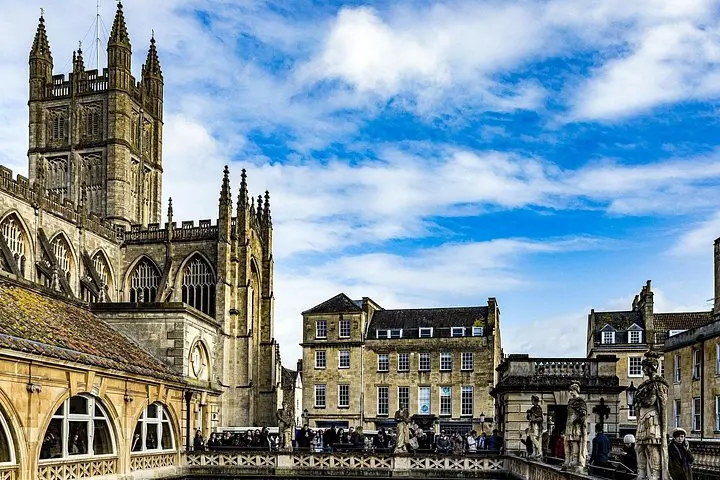
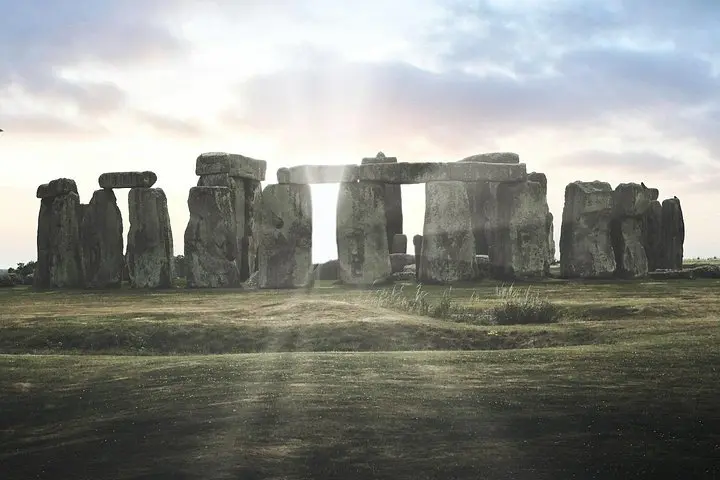
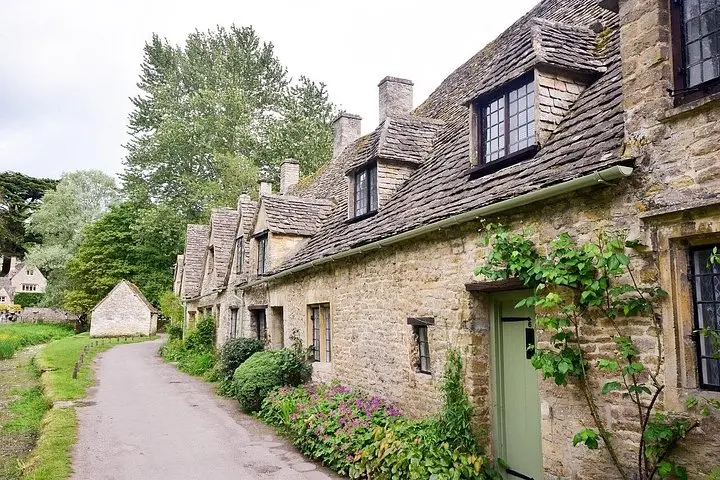
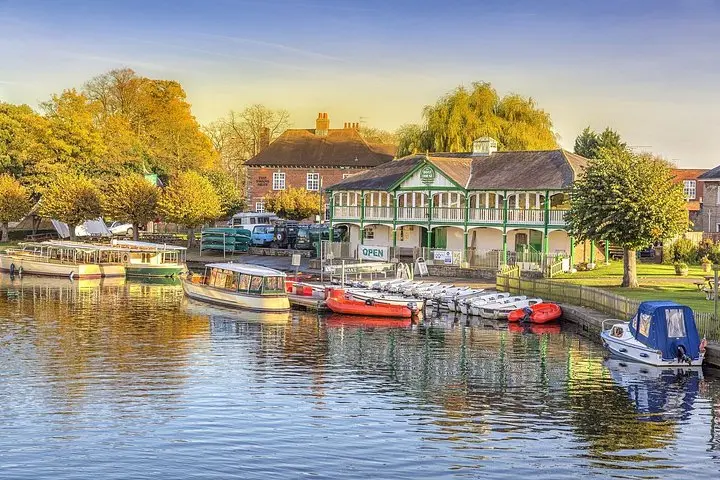
Morning mist lifts off the Salisbury Plain as your vehicle threads quiet lanes toward monoliths that have watched millennia pass. Stonehenge rises from the grass like a question posed to the sky; later the honey-stone villages of the Cotswolds unfurl, and Bath’s Georgian crescents glow in late afternoon light.
Morning mist lifts off the Salisbury Plain as your vehicle threads quiet lanes toward monoliths that have watched millennia pass. Stonehenge rises from the grass like a question posed to the sky; later the honey-stone villages of the Cotswolds unfurl, and Bath’s Georgian crescents glow in late afternoon light.
The route moves through layers of English history: Neolithic engineers hauled sarsens to form Stonehenge around 3000–2000 BCE; Roman engineers built Bath atop thermal springs and left a complex of baths and piping that survives in outline. Geology matters here—chalk downs on Salisbury Plain shape how people and livestock moved for centuries, while Bath’s thermal waters emerge from deeper, fault-guided aquifers. Culturally, this corridor ties prehistoric ritual sites to Roman urbanism and later Georgian refinement; stop at a market town and you’ll meet craftsmen continuing centuries-old trades.
Practical guidance: this is a full-day, private-driving tour with short, self-guided site visits rather than long hikes. Expect pavement and compacted paths around Bath and Stonehenge; wear comfortable walking shoes and a waterproof layer. Time at each major stop is limited—plan priorities (Stonehenge visitor centre and outer circle, Bath’s Roman Baths and Royal Crescent, a quick Cotswold village stroll, and Stratford’s Shakespeare sites if included). Bring a reusable water bottle, light snacks, and a charger; toilets and cafés are available at visitor centres and towns.
Respect conservation rules at ancient sites—stay on marked paths, follow staff directions, and keep noise low. With clear planning this day trip compresses England’s deep past and pastoral present into one memorable, manageable stretch of road.