THE ADVENTURE COLLECTIVE® · Independent discovery and booking for outdoor travel

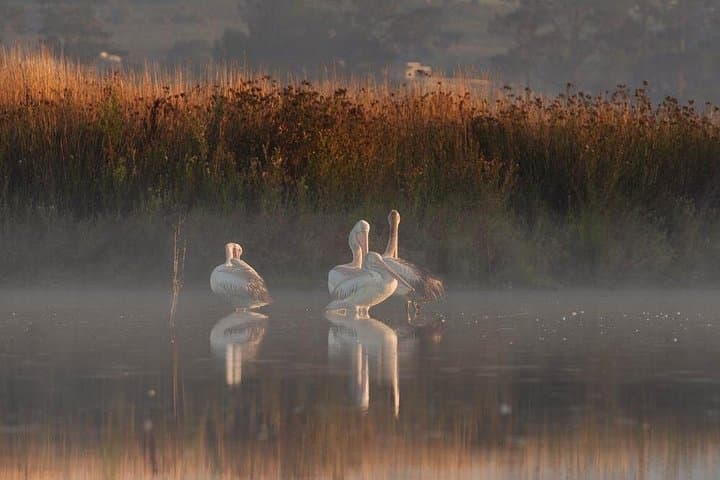
Spend a two-hour morning tracking waterbirds and woodland species around Boundary Rd reserve and the Brick Pit wetland near Bathurst. Small groups and local guidance make this a practical introduction to bird ID and field photography.
Spend a two-hour morning tracking waterbirds and woodland species around Boundary Rd reserve and the Brick Pit wetland near Bathurst. Small groups and local guidance make this a practical introduction to bird ID and field photography.
Dawn on the Boundary Rd reserve arrives cool and patient: reeds whisper, a magpie calls like punctuation, and flashes of yellow and red dart through eucalypt shadows. The guide leads a small group along damp tracks, binoculars raised, lenses hunting for shapes that refuse to sit still. For two hours the landscape becomes a classroom and a studio — birds test your patience, light rewards timing, and the wetlands demand quiet attention.
Verified experiences and guided adventures in the surrounding area.
Operated by Bathurst Birding · Bathurst, New South Wales
Dawn on the Boundary Rd reserve arrives cool and patient: reeds whisper, a magpie calls like punctuation, and flashes of yellow and red dart through eucalypt shadows. The guide leads a small group along damp tracks, binoculars raised, lenses hunting for shapes that refuse to sit still. For two hours the landscape becomes a classroom and a studio — birds test your patience, light rewards timing, and the wetlands demand quiet attention.
Bathurst sits in the Central Tablelands on Wiradjuri country and is Australia’s oldest inland settlement, a place where river flats and low ridges meet rehabilitated wetlands. The Brick Pit wetland is a modern example of landscape reuse — shallow pools, reed beds and open water that attract waterbirds and provide good photographic foregrounds. Geology here is modest: weathered sandstone and volcanic soils shaped by slow erosion, feeding the paddocks and pockets of remnant bush where birdlife concentrates.
Culturally, mornings are when local birders and photographers exchange tips; the guide’s local knowledge shortens your learning curve and points out subtle ID marks and ethical shooting distances.
Practical guidance: meet at the carpark behind Bathurst Library or arrange a short pickup in town. The tour covers about 2 hours on mostly flat, sometimes muddy tracks; light refreshments are provided. Bring binoculars, a telephoto lens if you have one, layered clothing for cool mornings, and insect repellent. Keep voices low and avoid sudden movements to get the best sightings. This is an accessible, focused half-day outing that pairs wildlife observation with hands-on photography advice.
Yes — the tour notes stroller access and infants may sit on laps, but paths can be uneven so bring a carrier for easier mobility.
The operator's policy indicates standard cancellation applies; tours generally run in light rain, but check with the provider if extreme conditions arise.
Yes — the small-group format includes on-the-spot advice for composition, exposure, and focal length to improve field shots.
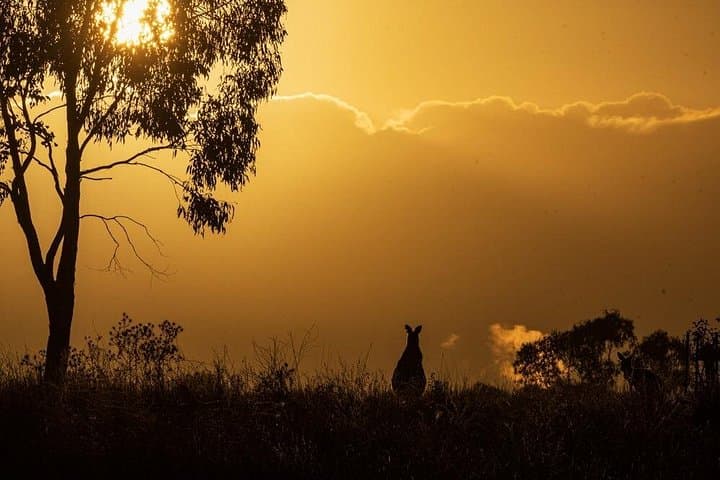
Wildlife sightings can’t be guaranteed; common mammals include Eastern Grey Kangaroos and Swamp Wallabies, and guides increase your chances by choosing active habitats.
Bathurst Birding operates guided outdoor trips and adventures with an emphasis on safety, stewardship, and memorable experiences.
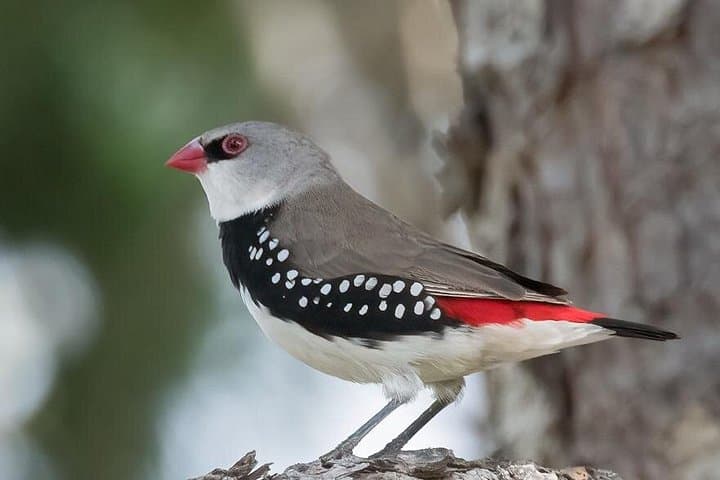
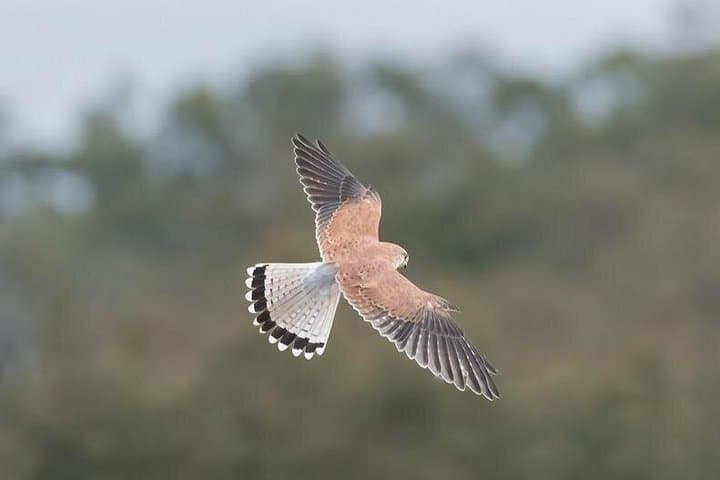
Dawn on the Boundary Rd reserve arrives cool and patient: reeds whisper, a magpie calls like punctuation, and flashes of yellow and red dart through eucalypt shadows. The guide leads a small group along damp tracks, binoculars raised, lenses hunting for shapes that refuse to sit still. For two hours the landscape becomes a classroom and a studio — birds test your patience, light rewards timing, and the wetlands demand quiet attention.
Dawn on the Boundary Rd reserve arrives cool and patient: reeds whisper, a magpie calls like punctuation, and flashes of yellow and red dart through eucalypt shadows. The guide leads a small group along damp tracks, binoculars raised, lenses hunting for shapes that refuse to sit still. For two hours the landscape becomes a classroom and a studio — birds test your patience, light rewards timing, and the wetlands demand quiet attention.
Bathurst sits in the Central Tablelands on Wiradjuri country and is Australia’s oldest inland settlement, a place where river flats and low ridges meet rehabilitated wetlands. The Brick Pit wetland is a modern example of landscape reuse — shallow pools, reed beds and open water that attract waterbirds and provide good photographic foregrounds. Geology here is modest: weathered sandstone and volcanic soils shaped by slow erosion, feeding the paddocks and pockets of remnant bush where birdlife concentrates.
Culturally, mornings are when local birders and photographers exchange tips; the guide’s local knowledge shortens your learning curve and points out subtle ID marks and ethical shooting distances.
Practical guidance: meet at the carpark behind Bathurst Library or arrange a short pickup in town. The tour covers about 2 hours on mostly flat, sometimes muddy tracks; light refreshments are provided. Bring binoculars, a telephoto lens if you have one, layered clothing for cool mornings, and insect repellent. Keep voices low and avoid sudden movements to get the best sightings. This is an accessible, focused half-day outing that pairs wildlife observation with hands-on photography advice.