THE ADVENTURE COLLECTIVE® · Independent discovery and booking for outdoor travel

A two-day guided journey from Creel into Batopilas that pairs canyon scenery with colonial mining history, Arareko Lake, waterfalls and mission sites. Ideal for travelers who want history, short hikes and off-the-beaten-path landscapes.
A two-day guided journey from Creel into Batopilas that pairs canyon scenery with colonial mining history, Arareko Lake, waterfalls and mission sites. Ideal for travelers who want history, short hikes and off-the-beaten-path landscapes.
The road drops into the gorge and the air cools—dusty cliffs give way to shaded ravines and a town that rose on silver and stubborn will. On this two-day route from Creel to Batopilas you move through changing light: pine ridges, narrow canyon walls, and then the open calm of Arareko Lake where the water dares you to slow down.
Verified experiences and guided adventures in the surrounding area.
Operated by De Viaje por Chihuahua · Batopilas, Chihuahua
The road drops into the gorge and the air cools—dusty cliffs give way to shaded ravines and a town that rose on silver and stubborn will. On this two-day route from Creel to Batopilas you move through changing light: pine ridges, narrow canyon walls, and then the open calm of Arareko Lake where the water dares you to slow down.
Batopilas grew rich in the 18th and 19th centuries on silver mining; remnants of haciendas, aqueducts and Jesuit missions punctuate the landscape and tell a layered story of colonial industry and Tarahumara presence. Geologically the region is an extension of the Sierra Madre Occidental—steep canyons carved by the Río Batopilas and its tributaries reveal volcanic tablelands and thick alluvial fans. Locals keep folklore about cave sites and lost missions, and small museums in Batopilas and nearby hamlets preserve mining tools and colonial records.
Expect slow, scenic driving between stops: Arareko Lake for photos and a short boat ride, caves and valley formations with short walks, the climb-down to Casarare waterfall if you’re ready to descend, and visits to mission churches and the Batopilas museum. Accommodations are basic historic hotels in town—one night included.
Practical edge: bring cash, a sturdy daypack, and layers for sharp temperature swings between canyon bottom and mesa. Roads can be rough; travel time includes long transfers so plan for early starts. Hydrate, wear good shoes for uneven paths, and respect cultural sites and private property—the tour stitches together natural highlights and local history into a compact, immersive canyon experience.
This is a two-day (approx. 48-hour) private tour that typically departs from Creel and returns there on day two.
Children can join but infants must sit on laps; infant seats are available—check with the operator when booking.
The itinerary lists stops and visits but does not specify included meals or admissions—bring cash for local purchases and confirm inclusions with the operator.
The tour is labeled easy-to-moderate: it involves short walks, stair descents to a waterfall, and uneven terrain; not recommended for those with serious back or heart conditions or pregnancy.
De Viaje por Chihuahua operates guided outdoor trips and adventures with an emphasis on safety, stewardship, and memorable experiences.
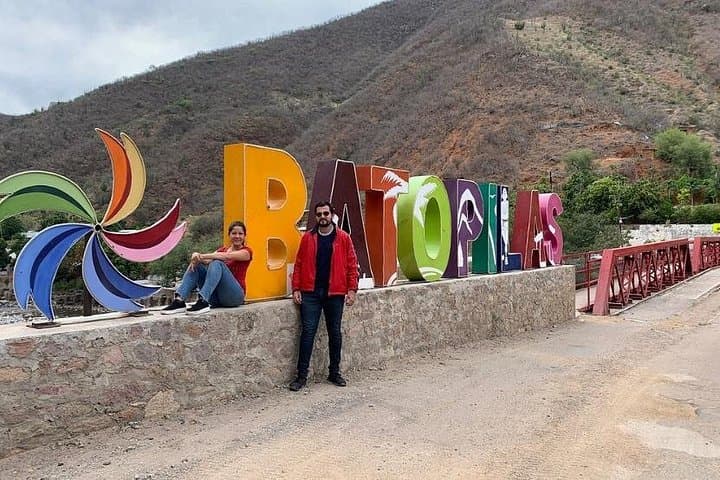


The road drops into the gorge and the air cools—dusty cliffs give way to shaded ravines and a town that rose on silver and stubborn will. On this two-day route from Creel to Batopilas you move through changing light: pine ridges, narrow canyon walls, and then the open calm of Arareko Lake where the water dares you to slow down.
The road drops into the gorge and the air cools—dusty cliffs give way to shaded ravines and a town that rose on silver and stubborn will. On this two-day route from Creel to Batopilas you move through changing light: pine ridges, narrow canyon walls, and then the open calm of Arareko Lake where the water dares you to slow down.
Batopilas grew rich in the 18th and 19th centuries on silver mining; remnants of haciendas, aqueducts and Jesuit missions punctuate the landscape and tell a layered story of colonial industry and Tarahumara presence. Geologically the region is an extension of the Sierra Madre Occidental—steep canyons carved by the Río Batopilas and its tributaries reveal volcanic tablelands and thick alluvial fans. Locals keep folklore about cave sites and lost missions, and small museums in Batopilas and nearby hamlets preserve mining tools and colonial records.
Expect slow, scenic driving between stops: Arareko Lake for photos and a short boat ride, caves and valley formations with short walks, the climb-down to Casarare waterfall if you’re ready to descend, and visits to mission churches and the Batopilas museum. Accommodations are basic historic hotels in town—one night included.
Practical edge: bring cash, a sturdy daypack, and layers for sharp temperature swings between canyon bottom and mesa. Roads can be rough; travel time includes long transfers so plan for early starts. Hydrate, wear good shoes for uneven paths, and respect cultural sites and private property—the tour stitches together natural highlights and local history into a compact, immersive canyon experience.