THE ADVENTURE COLLECTIVE® · Independent discovery and booking for outdoor travel

A full-day scenic transfer from Battambang to Phnom Penh that combines a Tonle Sap boat ride, visits to traditional pottery villages, and a climb to the hilltop temples of Oudong. Expect about 9–10 hours on the road with immersive cultural stops along the way.
A full-day scenic transfer from Battambang to Phnom Penh that combines a Tonle Sap boat ride, visits to traditional pottery villages, and a climb to the hilltop temples of Oudong. Expect about 9–10 hours on the road with immersive cultural stops along the way.
You step into the SUV at 8:00 a.m., the city still rubbing sleep from its eyes as the driver eases out of Battambang. Rice paddies slide past like a living map; the road leans into Pursat Province and the light changes with each river crossing. The first real change comes at Kampong Luong, where longboats thread narrow channels and a floating market pushes and pulls like a living shoreline.
Verified experiences and guided adventures in the surrounding area.
Operated by Cambodia Taxi Driver · Battambang, Battambang Province
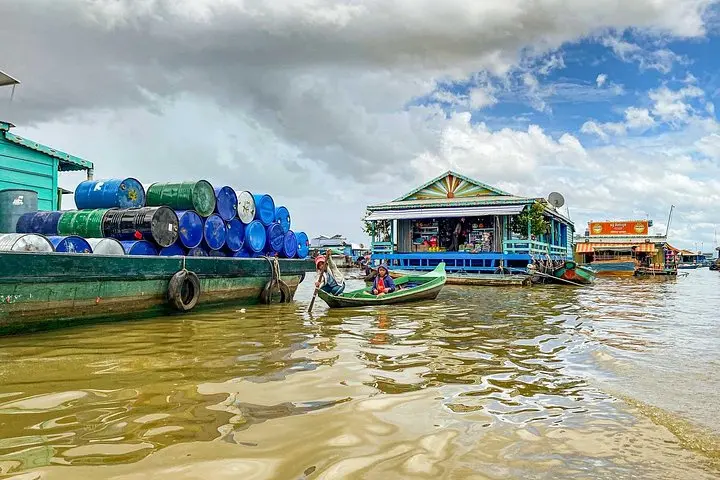
You step into the SUV at 8:00 a.m., the city still rubbing sleep from its eyes as the driver eases out of Battambang. Rice paddies slide past like a living map; the road leans into Pursat Province and the light changes with each river crossing. The first real change comes at Kampong Luong, where longboats thread narrow channels and a floating market pushes and pulls like a living shoreline.
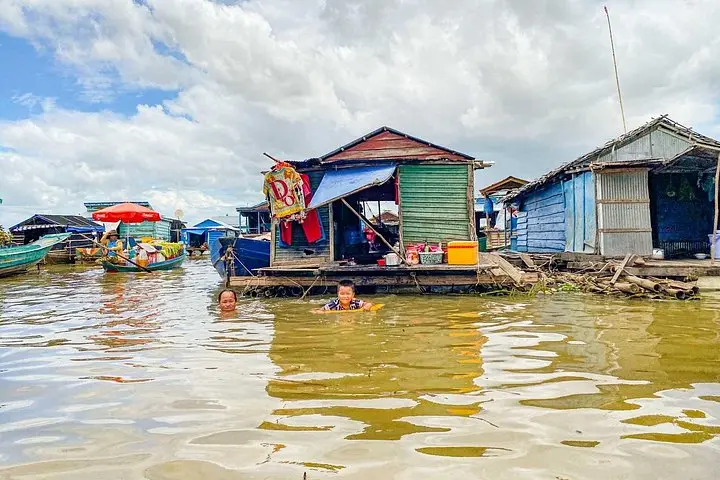
From the water, the Tonle Sap’s shallow edges reveal generations of fishing culture — stilt houses, nets, and boats turned into shops. The route then bends toward Kampong Chhnang’s pottery villages, where red clay and slow hands shape utilitarian art; artisans still fire kilns with techniques practiced for decades. Geologically the region is alluvial plain: low, flat, and seasonally swollen by the Mekong’s rhythms, which dictate when villages float and where fish gather.
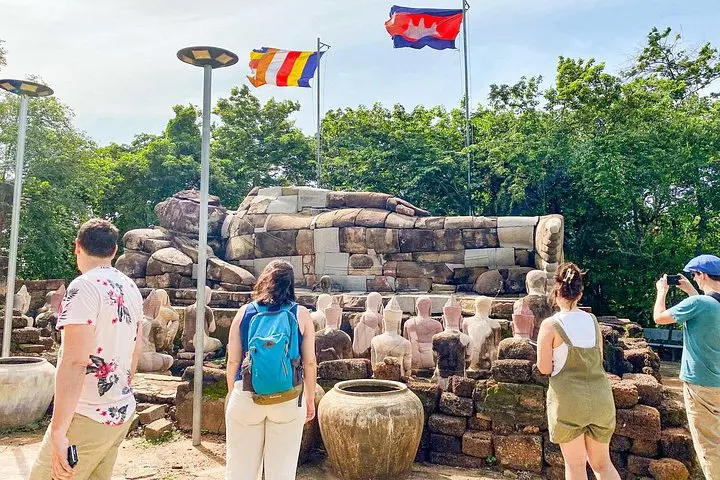
A late-afternoon stop at Oudong (Phnom Oudong) adds history: a former royal capital with hilltop stupas and stepped approaches that reward a short but steady climb with sweeping views toward Phnom Penh and the confluence of the Mekong and Tonle Sap.
Practical guidance: expect a 9–10 hour day covering roughly 250–300 km with multiple short stops. Bring sun protection and a light layer for breezy boat crossings; shoes should handle uneven steps and soft clay paths. Hydrate frequently — bottled water is provided, but carry extras if you tend to thirst. Travel with modest dress for temple visits and small bills for local purchases. This is a day of cultural contrasts: river life, handcrafts, and a hilltop that quietly remembers Cambodia’s royal past.
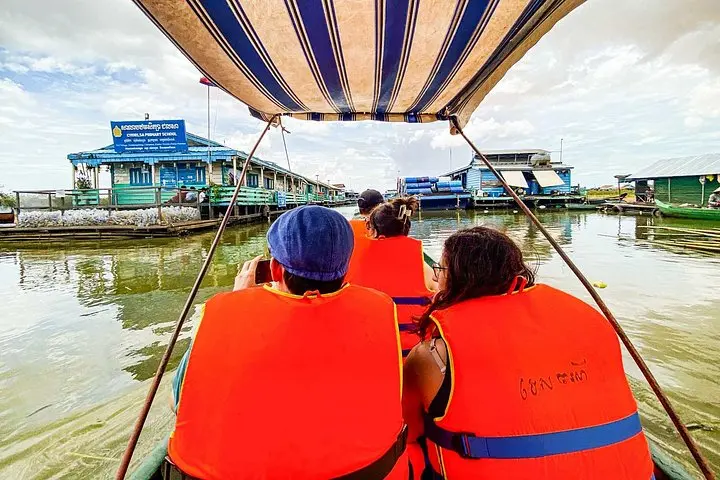
The tour includes a roughly 60-minute local boat ride through the floating community and channels of the Tonle Sap.
Yes — the tour notes that all advertised entrance fees for included stops are covered in the price.
The Oudong visit involves a 1–2 hour exploration with stepped approaches; it’s steep in sections but not technical — take your time and wear suitable shoes.
Yes — the private transfer picks up from your Battambang hotel and drops off in Phnom Penh as part of the door-to-door service.
Cambodia Taxi Driver operates guided outdoor trips and adventures with an emphasis on safety, stewardship, and memorable experiences.
You step into the SUV at 8:00 a.m., the city still rubbing sleep from its eyes as the driver eases out of Battambang. Rice paddies slide past like a living map; the road leans into Pursat Province and the light changes with each river crossing. The first real change comes at Kampong Luong, where longboats thread narrow channels and a floating market pushes and pulls like a living shoreline.
You step into the SUV at 8:00 a.m., the city still rubbing sleep from its eyes as the driver eases out of Battambang. Rice paddies slide past like a living map; the road leans into Pursat Province and the light changes with each river crossing. The first real change comes at Kampong Luong, where longboats thread narrow channels and a floating market pushes and pulls like a living shoreline.
From the water, the Tonle Sap’s shallow edges reveal generations of fishing culture — stilt houses, nets, and boats turned into shops. The route then bends toward Kampong Chhnang’s pottery villages, where red clay and slow hands shape utilitarian art; artisans still fire kilns with techniques practiced for decades. Geologically the region is alluvial plain: low, flat, and seasonally swollen by the Mekong’s rhythms, which dictate when villages float and where fish gather.
A late-afternoon stop at Oudong (Phnom Oudong) adds history: a former royal capital with hilltop stupas and stepped approaches that reward a short but steady climb with sweeping views toward Phnom Penh and the confluence of the Mekong and Tonle Sap.
Practical guidance: expect a 9–10 hour day covering roughly 250–300 km with multiple short stops. Bring sun protection and a light layer for breezy boat crossings; shoes should handle uneven steps and soft clay paths. Hydrate frequently — bottled water is provided, but carry extras if you tend to thirst. Travel with modest dress for temple visits and small bills for local purchases. This is a day of cultural contrasts: river life, handcrafts, and a hilltop that quietly remembers Cambodia’s royal past.