THE ADVENTURE COLLECTIVE® · Independent discovery and booking for outdoor travel

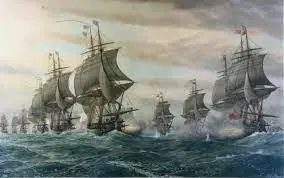
Explore the naval showdown that helped secure American independence. This Zoom program from Richmond, Virginia explains how the French blockade at the mouth of the Chesapeake Bay sealed Cornwallis’s fate at Yorktown.
Explore the naval showdown that helped secure American independence. This Zoom program from Richmond, Virginia explains how the French blockade at the mouth of the Chesapeake Bay sealed Cornwallis’s fate at Yorktown.
Book with Preservation Virginia
Verified experiences and guided adventures in the surrounding area.
Operated by Preservation Virginia · Richmond, Virginia
Battle of the Capes Virtual Program brings a pivotal naval encounter of the American Revolution into your living room. This guided online presentation, offered from Richmond, Virginia and delivered over Zoom, walks participants through the 1781 confrontation at the mouth of the Chesapeake Bay when the French fleet under Admiral Comte de Grasse blocked British relief for Lord Cornwallis at Yorktown. For visitors who want context before a Chesapeake visit or history buffs who prefer a close-up without the crowd, this program blends tactical narrative with coastal geography in a compact, accessible format.
The program highlights the naval maneuvers, the strategic shoals of the Chesapeake estuary, and how the bay’s shallow channels and currents shaped decisions on both sides. Expect clear maps, period illustrations, and a chronological account that links Admiral de Grasse’s blockade to the surrender at Yorktown and the broader Revolutionary War outcome. The session emphasizes the Bay itself — an unusually large estuary carved into the Atlantic coastline with tidal marshes, oyster beds, and shifting shoals that made naval operations unpredictable for 18th‑century fleets.
Beyond tactics, the program places naval action within local cultural and environmental context. It discusses Yorktown’s role in 1781, the Franco‑American alliance, and how seafaring technology and coastal winds altered history. Brief notes on the Chesapeake’s living shoreline and maritime economy help modern visitors understand why the Bay was strategically valuable then and ecologically important now. The presentation’s virtual format makes it easy for travelers to schedule a primer before an in-person visit to the Rivers and Bay sites that still echo the conflict.
Practical details: this is a Zoom event run from Richmond, Virginia (United States). Bring a stable internet connection, a notebook for questions, and screenshots if you want to save maps. The format suits family audiences, history clubs, and independent travelers looking for a compact, expert-led primer on Revolutionary naval strategy. The experience is ideal for layering onto a Chesapeake road trip or a deeper study of coastal military history.
If you’ve ever stood on a Yorktown shoreline and wondered how wind, shoal, and seamanship combined to change a nation, this virtual program draws the threads together. It’s an efficient, engaging way to translate archival detail into seaside perspective, opening a clearer window onto a decisive moment in American and naval history. Participants often leave with recommended reading, suggested local sites to visit such as Yorktown waterfront viewpoints and tidal marsh overlooks, and ideas for paddling or boat trips that let you see the bay’s channels firsthand. Whether you’re planning a coastal itinerary or just sharpening your Revolutionary War knowledge, this program tightens the connection between sea, strategy, and place — and makes the Chesapeake’s role in national history unmistakable today.
This is offered as a live Zoom event so participants can ask questions in real time.
The program is delivered online via Zoom and originates from Richmond, Virginia, United States.
Plan for approximately 45–60 minutes including time for Q&A and map walkthroughs.
Presenters often share maps and reading suggestions; attendees can ask about follow-up materials during Q&A.
Yes—older children with interest in history will benefit, though some sections assume a basic understanding of Revolutionary War events.
Yes—Yorktown and nearby waterfront sites are accessible to visitors; the session gives context for planning those visits.
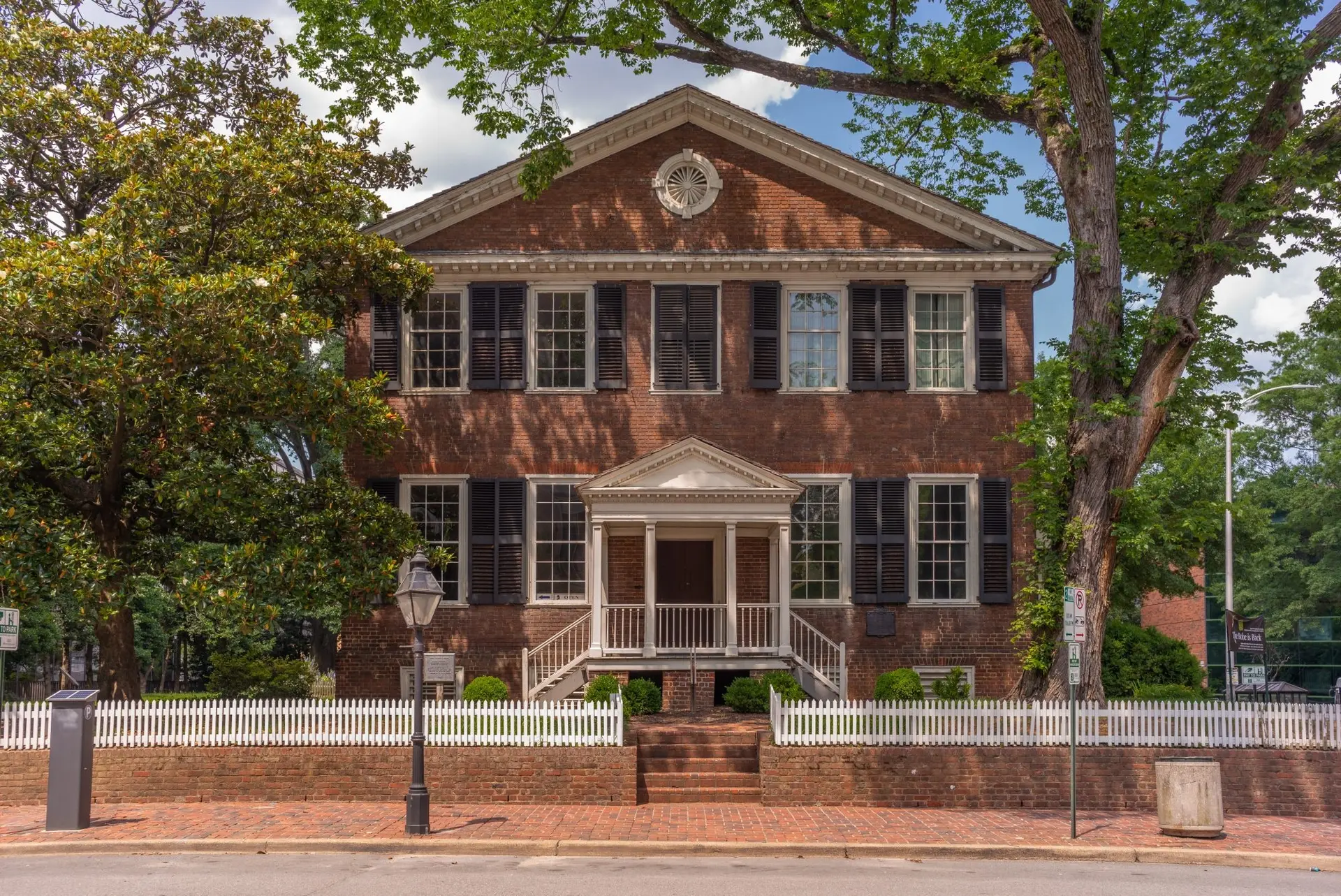
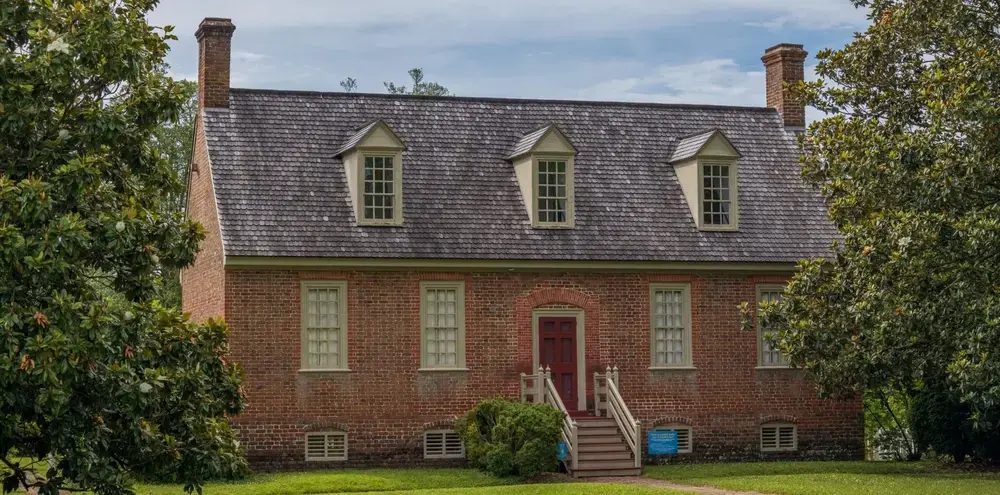
Preservation Virginia is a Richmond, Virginia-based organization that operates and interprets historic sites and educational programs across the state. The organization presents guided tours, hands-on workshops, documentary-style tours, and virtual programs that highlight Virginia’s colonial, revolutionary, and 19th-century history. Preservation Virginia’s portfolio of sites and programs includes Bacon’s Castle (built in 1665 and recognized as North America’s oldest brick home), the historic landing site at Cape Henry Lighthouse, Smith’s Fort with surviving earthworks and an 18th-century manor house, Patrick Henry’s Scotchtown—the remaining house of the famed orator—and the John Marshall House in Richmond. Programming spans in-person tours and remote learning: the John Marshall House offers a 45-minute tour; the Courtmaker Documentary Tour of the Marshall House provides an intimate look at family artifacts; the Beginners Genealogy Research Workshop at Bacon’s Castle is taught by genealogist Sarah Carson; and multiple virtual programs bring lighthouse history and Revolutionary War sea battles to students. Educational offerings also include the Augustus Hodges virtual program, focused on Willis Hodges—Cape Henry Lighthouse’s first African American keeper and abolitionist—and the Life of a Lighthouse Keeper kids program. Preservation Virginia’s events and tours emphasize primary sources, artifacts, architecture, and site-specific stories to connect visitors with Virginia’s past. All descriptions and program leaders are provided in third-person; visitors should consult Preservation Virginia’s official listings for booking and availability.
Book with Preservation Virginia