THE ADVENTURE COLLECTIVE® · Independent discovery and booking for outdoor travel

Stand beneath Malaysia’s towering Murugan statue, climb 272 colourful steps and step into limestone caverns that house centuries of Hindu worship. This short tour combines geology, culture and easy-access adventure just north of Kuala Lumpur.
Stand beneath Malaysia’s towering Murugan statue, climb 272 colourful steps and step into limestone caverns that house centuries of Hindu worship. This short tour combines geology, culture and easy-access adventure just north of Kuala Lumpur.
You arrive beneath the towering Murugan, a 43‑metre sentinel that greets traffic and pigeons alike, and the hill seems to breathe—warm limestone exhaling humidity into the plaza. Monkeys weave between visitors and temple vendors, daring you to keep your belongings close as you begin the ascent.
Verified experiences and guided adventures in the surrounding area.
Operated by RIYAS TRAVELER · Gombak, Selangor
You arrive beneath the towering Murugan, a 43‑metre sentinel that greets traffic and pigeons alike, and the hill seems to breathe—warm limestone exhaling humidity into the plaza. Monkeys weave between visitors and temple vendors, daring you to keep your belongings close as you begin the ascent.
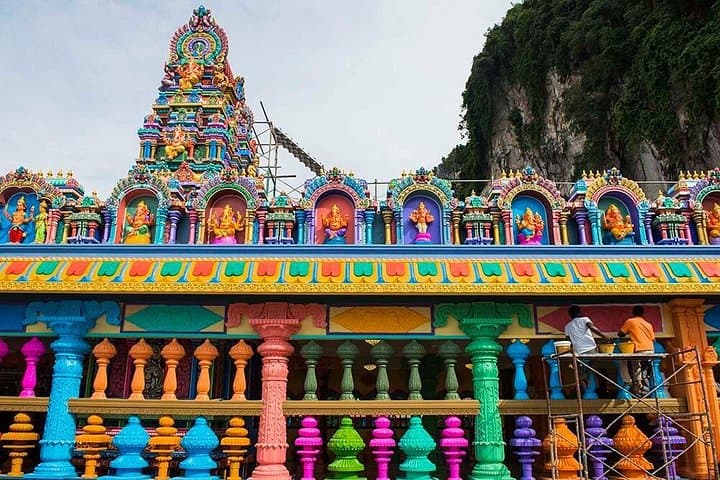
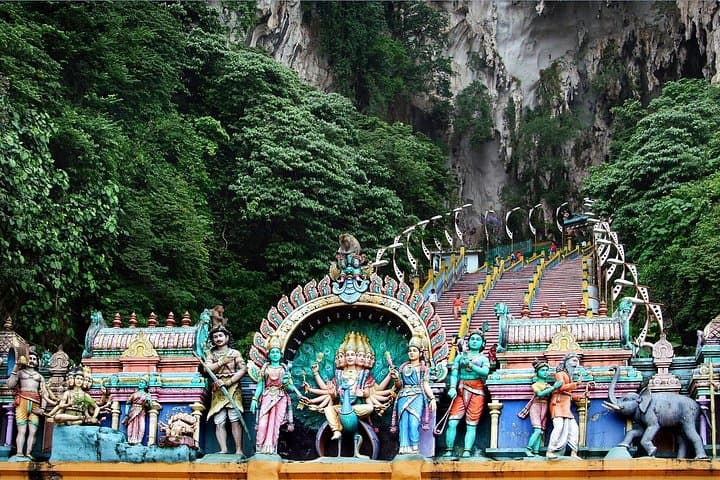
Batu Caves is more than a staircase; it’s a geological chronicle. The limestone here formed roughly 400 million years ago and later sheltered the Temuan people. In the late 19th century, Indian traders established the Temple Cave as a place of worship; today its vaulted interior holds ornate shrines and painted scenes from the Ramayana. The complex also includes the Ramayana Cave and the Cave Villa galleries, while the northeast flanks host over 160 bolted rock‑climbing routes that draw climbers to its 100–150 m limestone faces.
Culturally the site is a focal point for Malaysian Tamils—during Thaipusam pilgrims shoulder kavadi and make the strenuous climb up the 272 concrete steps, an intense display of devotion and pageantry. The surrounding ecology is urban fringe rainforest: expect enthusiastic macaques, swifts in the cave mouths, and heat that presses against shade.
Practical guidance: the standard guided visit runs about 2 hours and includes hotel pickup. Wear grippy shoes for the steps and uneven cave floors, carry water, and stash snacks away from monkeys. Visit early morning to avoid midday heat and crowds; if you plan to climb routes, contact local guides and use proper climbing gear. Respect shrine areas—dress modestly and follow local customs during festivals.
The Temple Cave is free to enter; some of the museum or guided exhibitions may charge separate fees—check locally.
Yes—Thaipusam is open to the public but expect very large crowds and processions; follow directions from authorities and be respectful of rituals.
Many manage the climb, but take it slow, use handrails, and avoid peak heat; those with mobility issues should consider viewing from lower areas.
Yes—the northeast crags host many sport routes; climbers should hire local guides, use modern protection and check conditions before attempting routes.
RIYAS TRAVELER operates guided outdoor trips and adventures with an emphasis on safety, stewardship, and memorable experiences.
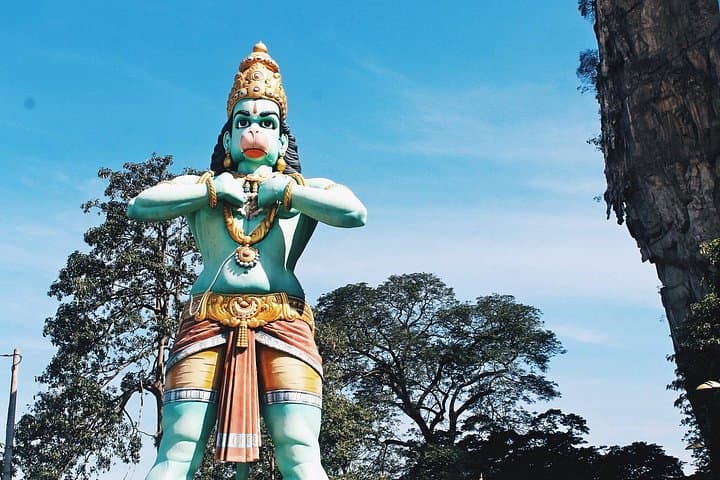

You arrive beneath the towering Murugan, a 43‑metre sentinel that greets traffic and pigeons alike, and the hill seems to breathe—warm limestone exhaling humidity into the plaza. Monkeys weave between visitors and temple vendors, daring you to keep your belongings close as you begin the ascent.
You arrive beneath the towering Murugan, a 43‑metre sentinel that greets traffic and pigeons alike, and the hill seems to breathe—warm limestone exhaling humidity into the plaza. Monkeys weave between visitors and temple vendors, daring you to keep your belongings close as you begin the ascent.
Batu Caves is more than a staircase; it’s a geological chronicle. The limestone here formed roughly 400 million years ago and later sheltered the Temuan people. In the late 19th century, Indian traders established the Temple Cave as a place of worship; today its vaulted interior holds ornate shrines and painted scenes from the Ramayana. The complex also includes the Ramayana Cave and the Cave Villa galleries, while the northeast flanks host over 160 bolted rock‑climbing routes that draw climbers to its 100–150 m limestone faces.
Culturally the site is a focal point for Malaysian Tamils—during Thaipusam pilgrims shoulder kavadi and make the strenuous climb up the 272 concrete steps, an intense display of devotion and pageantry. The surrounding ecology is urban fringe rainforest: expect enthusiastic macaques, swifts in the cave mouths, and heat that presses against shade.
Practical guidance: the standard guided visit runs about 2 hours and includes hotel pickup. Wear grippy shoes for the steps and uneven cave floors, carry water, and stash snacks away from monkeys. Visit early morning to avoid midday heat and crowds; if you plan to climb routes, contact local guides and use proper climbing gear. Respect shrine areas—dress modestly and follow local customs during festivals.