THE ADVENTURE COLLECTIVE® · Independent discovery and booking for outdoor travel

Summit Mount Batur before sunrise for a raw, panoramic view of Bali’s caldera and lake, then unwind in natural hot springs. This guided early-morning trek combines steep volcanic trails, local culture, and a restorative soak—ideal for fit hikers who want a compact, rewarding day trip.
Summit Mount Batur before sunrise for a raw, panoramic view of Bali’s caldera and lake, then unwind in natural hot springs. This guided early-morning trek combines steep volcanic trails, local culture, and a restorative soak—ideal for fit hikers who want a compact, rewarding day trip.
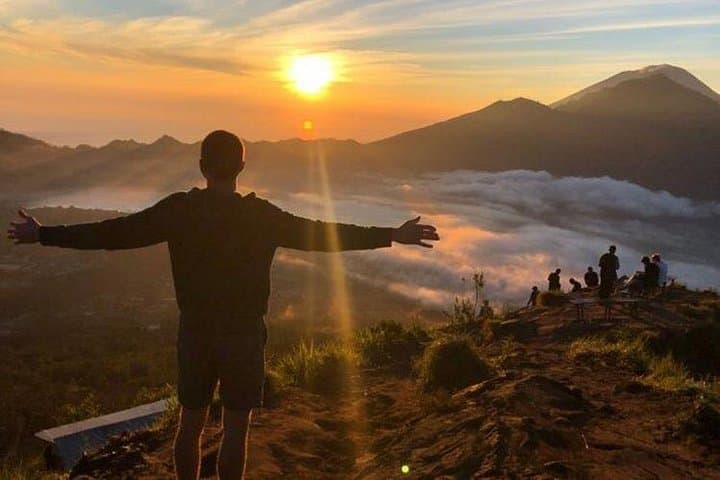
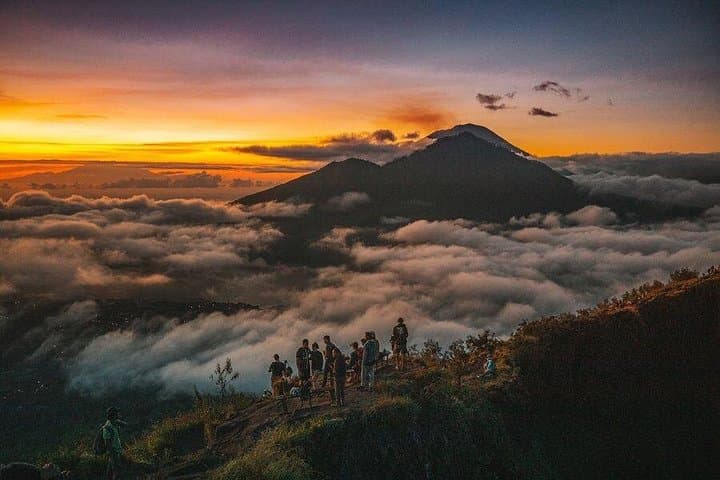
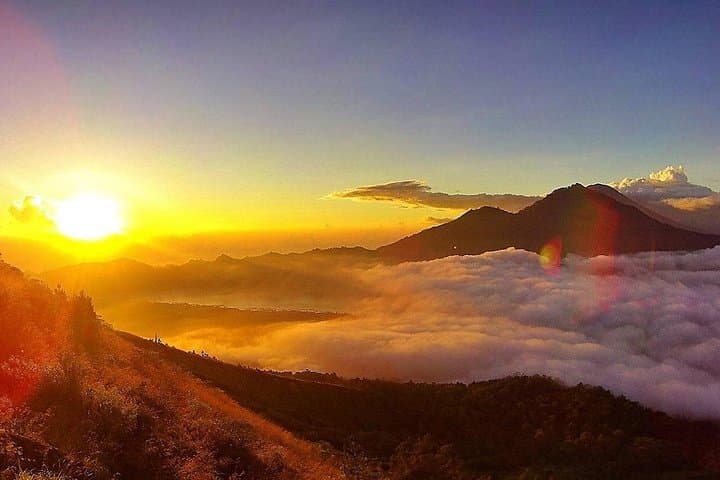
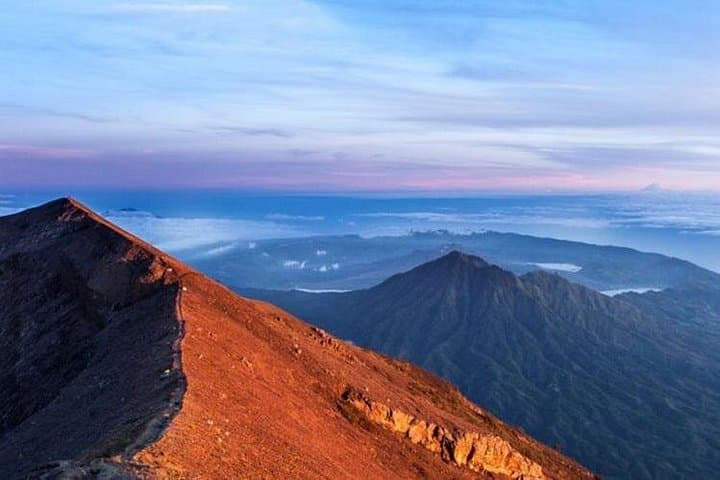
Before dawn the trail feels alive: headlamps bob like distant fireflies as you climb through cool, eucalyptus-scented air toward Gunung Batur’s rim. By the time the sun clears the caldera edge, the lake below sheds its morning mist and the volcanic cones across the basin sharpen into silhouette—an honest, elemental reward for the early start.
Verified experiences and guided adventures in the surrounding area.
Operated by MyBaliTrips · Kintamani, Bali
Before dawn the trail feels alive: headlamps bob like distant fireflies as you climb through cool, eucalyptus-scented air toward Gunung Batur’s rim. By the time the sun clears the caldera edge, the lake below sheds its morning mist and the volcanic cones across the basin sharpen into silhouette—an honest, elemental reward for the early start.
Geology here is immediate. Batur sits inside a large caldera formed by massive eruptions; the active cone rises to 1,717 meters and still shapes the landscape and local livelihoods. The area around Kintamani has been farmed for generations, with coffee terraces and small temples that reflect Bali’s layered cultural ties to the mountain—many locals regard it as both a working volcano and a place of ritual significance.
Expect steep, loose sections and regular stops; guides typically start hikes around 4 a.m. so you summit for sunrise and return mid-morning. The route is non-technical but demanding—short bursts of steep steps alternate with softer volcanic scree that tests traction. After the descent, a soak in nearby hot springs soaks out lactic acid and feels earned—pools vary from warm to very hot depending on proximity to geothermal vents.
Practical notes: wear sturdy shoes with good tread, bring a reliable headlamp, carry 1–2 liters of water, and pack a warm layer for summit winds. If you’re sensitive to altitude or have cardiovascular concerns, consult a physician before booking. Respect temple sites, follow your guide’s pace, and leave no trace—this popular sunrise trek is best preserved by low-impact travel.
The route is non-technical but physically demanding, with steep sections and loose volcanic scree; hikers should be in good cardio shape.
Most tours start around 3–4 a.m. to reach the summit for sunrise; expect a full 10–12 hour excursion including transport and the hot springs visit.
Hot springs admission is typically included; operators often limit time in the pools (commonly up to two hours) to manage capacity.
This trek is not recommended for young children, pregnant people, or those with serious cardiovascular or spinal conditions—consult the operator and a doctor if unsure.
MyBaliTrips operates guided outdoor trips and adventures with an emphasis on safety, stewardship, and memorable experiences.
Before dawn the trail feels alive: headlamps bob like distant fireflies as you climb through cool, eucalyptus-scented air toward Gunung Batur’s rim. By the time the sun clears the caldera edge, the lake below sheds its morning mist and the volcanic cones across the basin sharpen into silhouette—an honest, elemental reward for the early start.
Before dawn the trail feels alive: headlamps bob like distant fireflies as you climb through cool, eucalyptus-scented air toward Gunung Batur’s rim. By the time the sun clears the caldera edge, the lake below sheds its morning mist and the volcanic cones across the basin sharpen into silhouette—an honest, elemental reward for the early start.
Geology here is immediate. Batur sits inside a large caldera formed by massive eruptions; the active cone rises to 1,717 meters and still shapes the landscape and local livelihoods. The area around Kintamani has been farmed for generations, with coffee terraces and small temples that reflect Bali’s layered cultural ties to the mountain—many locals regard it as both a working volcano and a place of ritual significance.
Expect steep, loose sections and regular stops; guides typically start hikes around 4 a.m. so you summit for sunrise and return mid-morning. The route is non-technical but demanding—short bursts of steep steps alternate with softer volcanic scree that tests traction. After the descent, a soak in nearby hot springs soaks out lactic acid and feels earned—pools vary from warm to very hot depending on proximity to geothermal vents.
Practical notes: wear sturdy shoes with good tread, bring a reliable headlamp, carry 1–2 liters of water, and pack a warm layer for summit winds. If you’re sensitive to altitude or have cardiovascular concerns, consult a physician before booking. Respect temple sites, follow your guide’s pace, and leave no trace—this popular sunrise trek is best preserved by low-impact travel.