THE ADVENTURE COLLECTIVE® · Independent discovery and booking for outdoor travel

Board an 18‑metre cruiser for a five‑hour voyage across New Zealand’s Bay of Plenty. Expect close dolphin encounters, seals, seabirds and seasonal whales, plus onboard naturalist commentary that links marine behaviour to local history.
Board an 18‑metre cruiser for a five‑hour voyage across New Zealand’s Bay of Plenty. Expect close dolphin encounters, seals, seabirds and seasonal whales, plus onboard naturalist commentary that links marine behaviour to local history.
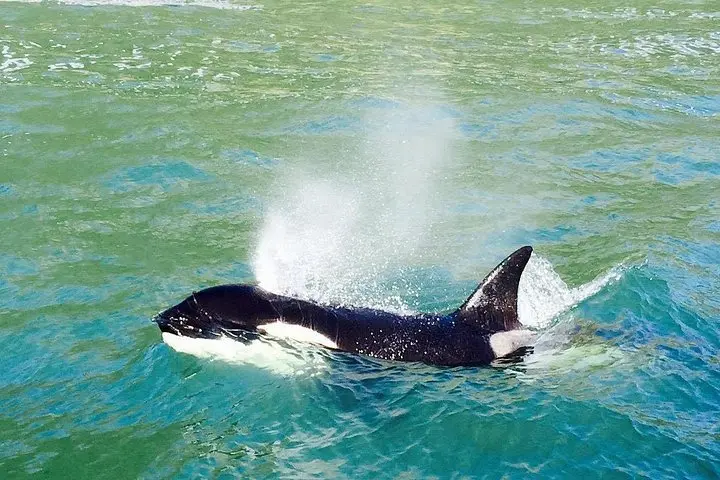
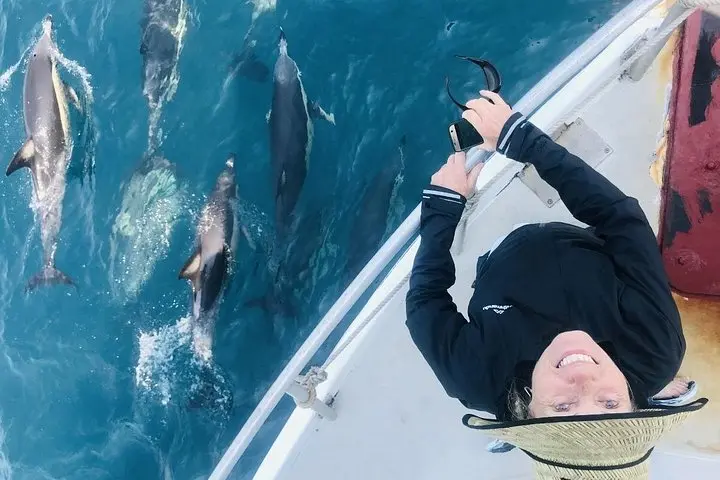
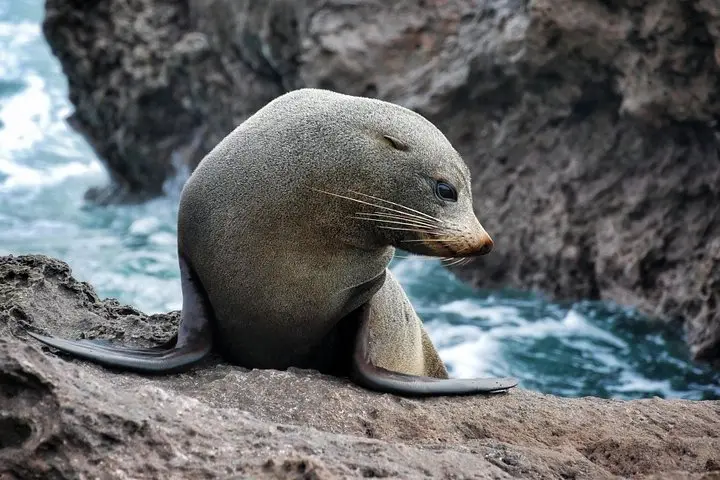
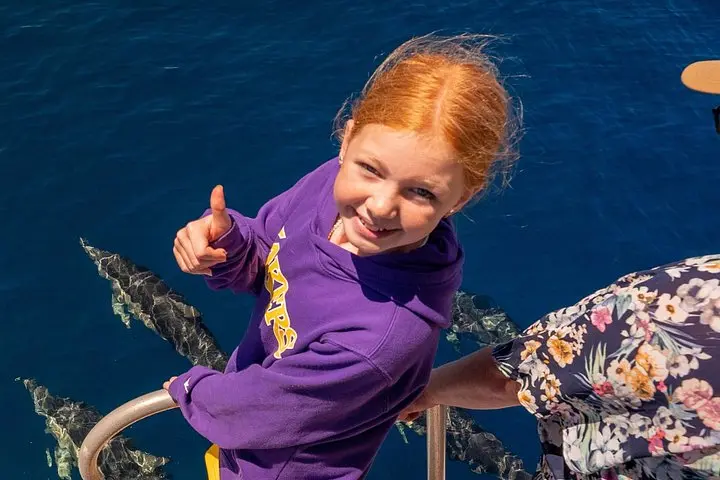
The salt air hits first — cool and wide — as an 18-metre vessel slips out of the harbour and into the open bowls of the Bay of Plenty. Passengers move to the sun-deck, binoculars up, while seabirds wheel and the crew scans the horizon. Dolphins often streak alongside the bow, curious and quick; seals haul out on offshore rocks and migratory whales may break the surface on seasonal runs.
Verified experiences and guided adventures in the surrounding area.
Operated by Bay Explorer · Tauranga, Bay of Plenty
The salt air hits first — cool and wide — as an 18-metre vessel slips out of the harbour and into the open bowls of the Bay of Plenty. Passengers move to the sun-deck, binoculars up, while seabirds wheel and the crew scans the horizon. Dolphins often streak alongside the bow, curious and quick; seals haul out on offshore rocks and migratory whales may break the surface on seasonal runs.
This stretch of coast is shaped by volcanic forces and the long sweep of the Pacific. Islands off Tauranga are remnants of lava flows and marine terraces; Māori have fished these waters for centuries and many local stories link specific bays and reefs to iwi (tribes). The crew’s commentary usually ties natural history to human history, explaining how currents, seabed contours and fed-up tides concentrate food that draws marine life in close.
Expect photographic moments — close bow passes, rafts of seabirds and the occasional sunfish or turtle — delivered in a relaxed, family-friendly pace. The operator limits passenger numbers for comfort, and the trip runs roughly five hours with return links to Tauranga and Rotorua, making it an easy half-day excursion.
Practical tips: bring a windproof layer, a camera with a fast shutter, and seasickness prevention if you’re prone; plan morning departures when the sea is often calmer. The crew provides knowledgeable narration, but stay attentive on deck — wildlife encounters can be sudden. Respect viewing distances the captain sets — this is wildlife watching, not wildlife chasing.
The cruise lasts approximately five hours (half-day) with return transfers timed to get you back to Tauranga and Rotorua in the afternoon.
Common sightings include dolphins, seals, seabirds and occasionally migrating whales, sunfish and sea turtles depending on the season.
Yes — the operator provides enclosed seating downstairs and a large open sun‑deck; strollers and infants are accommodated and infant seats are available.
The boat can approach animals for good viewing, but the captain enforces safe distances and timings to avoid disturbing wildlife.
Bay Explorer operates guided outdoor trips and adventures with an emphasis on safety, stewardship, and memorable experiences.
The salt air hits first — cool and wide — as an 18-metre vessel slips out of the harbour and into the open bowls of the Bay of Plenty. Passengers move to the sun-deck, binoculars up, while seabirds wheel and the crew scans the horizon. Dolphins often streak alongside the bow, curious and quick; seals haul out on offshore rocks and migratory whales may break the surface on seasonal runs.
The salt air hits first — cool and wide — as an 18-metre vessel slips out of the harbour and into the open bowls of the Bay of Plenty. Passengers move to the sun-deck, binoculars up, while seabirds wheel and the crew scans the horizon. Dolphins often streak alongside the bow, curious and quick; seals haul out on offshore rocks and migratory whales may break the surface on seasonal runs.
This stretch of coast is shaped by volcanic forces and the long sweep of the Pacific. Islands off Tauranga are remnants of lava flows and marine terraces; Māori have fished these waters for centuries and many local stories link specific bays and reefs to iwi (tribes). The crew’s commentary usually ties natural history to human history, explaining how currents, seabed contours and fed-up tides concentrate food that draws marine life in close.
Expect photographic moments — close bow passes, rafts of seabirds and the occasional sunfish or turtle — delivered in a relaxed, family-friendly pace. The operator limits passenger numbers for comfort, and the trip runs roughly five hours with return links to Tauranga and Rotorua, making it an easy half-day excursion.
Practical tips: bring a windproof layer, a camera with a fast shutter, and seasickness prevention if you’re prone; plan morning departures when the sea is often calmer. The crew provides knowledgeable narration, but stay attentive on deck — wildlife encounters can be sudden. Respect viewing distances the captain sets — this is wildlife watching, not wildlife chasing.