THE ADVENTURE COLLECTIVE® · Independent discovery and booking for outdoor travel

Ride from Dominicus to Bayahibe along a coastal trail, explore Cotubanamá National Park and descend into a Taíno cave cenote. This 2–3 hour e-bike tour blends easy coastal riding with short hikes through limestone karst and local cultural stops.
Ride from Dominicus to Bayahibe along a coastal trail, explore Cotubanamá National Park and descend into a Taíno cave cenote. This 2–3 hour e-bike tour blends easy coastal riding with short hikes through limestone karst and local cultural stops.
The road out of Dominicus opens to salt-slick air and a ribbon of pavement that soon gives way to a singletrack that runs beside the Caribbean. Pedaling an electric mountain bike, the sea keeps pace on your right while the village of Bayahibe slides into view—a low cluster of palms, fishing boats and sun-warmed concrete.
Verified experiences and guided adventures in the surrounding area.
Operated by Culebike Adventure · Bayahibe, La Altagracia
The road out of Dominicus opens to salt-slick air and a ribbon of pavement that soon gives way to a singletrack that runs beside the Caribbean. Pedaling an electric mountain bike, the sea keeps pace on your right while the village of Bayahibe slides into view—a low cluster of palms, fishing boats and sun-warmed concrete.
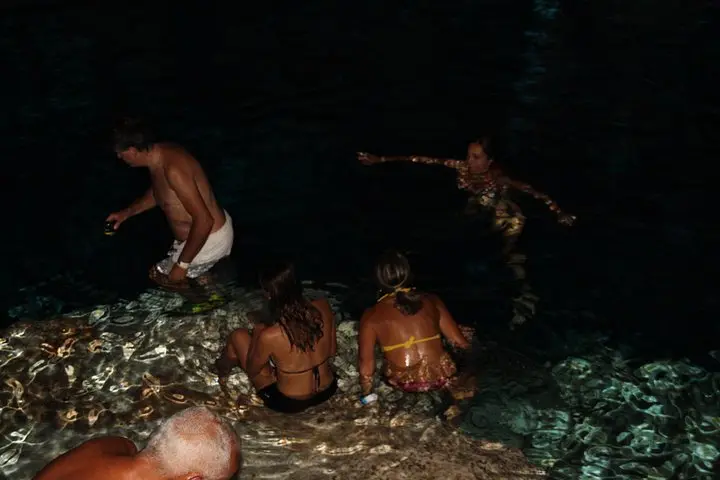
This short coastal ride leads into Cotubanamá National Park, a landscape carved from limestone and coral where karst ridges hide freshwater cenotes. One trail drops into Cueva Chicho, a Taíno sacred cave with a clear spring that still gathers light like a liquid mirror. Nearby you’ll pass a traditional charcoal kiln and stands of scrub forest where the national flower, the Rosa de Bayahíbe, blooms.
Geology here is honest: porous rock, sharp limestone steps and a shoreline that alternates between soft sand and rock shelves. Culturally, Bayahibe is a working fishery-turned-resort village—locals balance tourism with small-scale fishing and craft. Guides often point out how the park’s protections preserve both reef and terrestrial species.
Practical guide: plan 2–3 hours for the tour; choose the e‑MTB option if you want easier climbs. Wear closed-toe shoes with good traction for the cave and trail, bring sunscreen and a refillable water bottle (bottled water is provided), and expect short walks on uneven ground. Morning departures are cooler and give better light for photos; mid-day is hotter and more exposed. Follow your guide, stick to marked paths in the park, and be ready to cool off in the cave’s spring—nature here invites you to slow down and finish with a clear, salty breath.
No—guides provide basic instruction; e-bikes assist pedaling, but you should be comfortable balancing and using gears.
The cenote inside Cueva Chicho is shallow and refreshing; guests should be comfortable on wet, uneven surfaces and follow guide instructions.
Most operators supply helmets; confirm at booking and bring your own if you prefer a personal fit.
Yes—the tour offers normal MTB or e-MTB options; expect more effort on climbs with a non-electric bike.
Culebike Adventure operates guided outdoor trips and adventures with an emphasis on safety, stewardship, and memorable experiences.
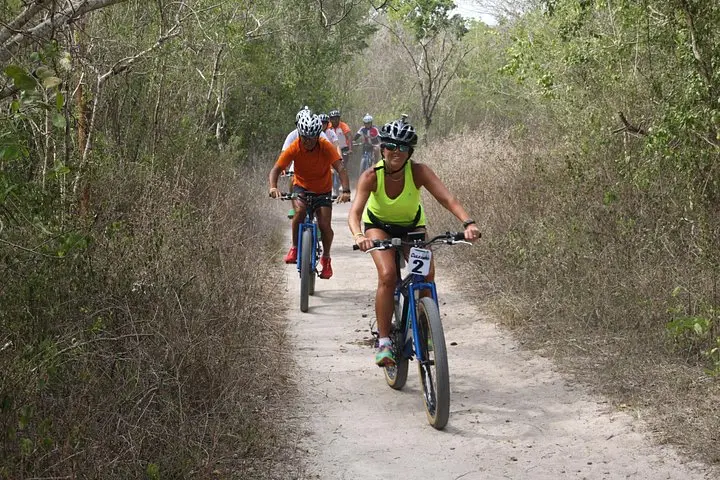
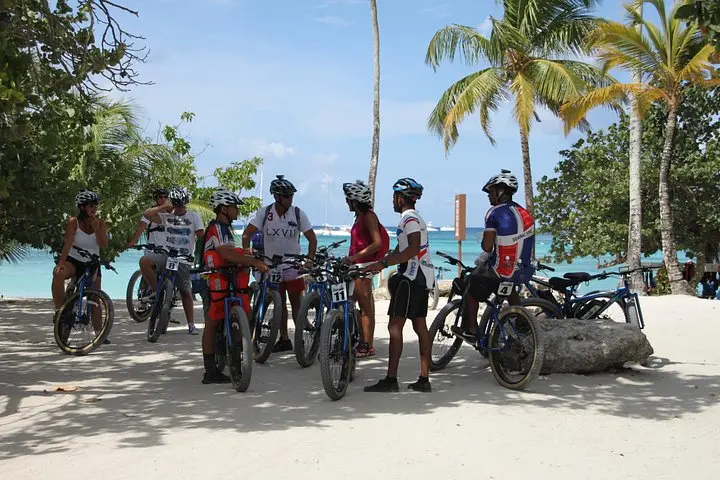
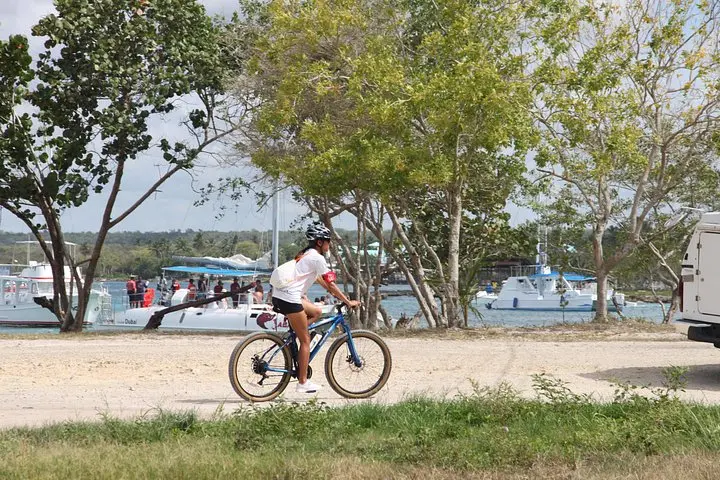
The road out of Dominicus opens to salt-slick air and a ribbon of pavement that soon gives way to a singletrack that runs beside the Caribbean. Pedaling an electric mountain bike, the sea keeps pace on your right while the village of Bayahibe slides into view—a low cluster of palms, fishing boats and sun-warmed concrete.
The road out of Dominicus opens to salt-slick air and a ribbon of pavement that soon gives way to a singletrack that runs beside the Caribbean. Pedaling an electric mountain bike, the sea keeps pace on your right while the village of Bayahibe slides into view—a low cluster of palms, fishing boats and sun-warmed concrete.
This short coastal ride leads into Cotubanamá National Park, a landscape carved from limestone and coral where karst ridges hide freshwater cenotes. One trail drops into Cueva Chicho, a Taíno sacred cave with a clear spring that still gathers light like a liquid mirror. Nearby you’ll pass a traditional charcoal kiln and stands of scrub forest where the national flower, the Rosa de Bayahíbe, blooms.
Geology here is honest: porous rock, sharp limestone steps and a shoreline that alternates between soft sand and rock shelves. Culturally, Bayahibe is a working fishery-turned-resort village—locals balance tourism with small-scale fishing and craft. Guides often point out how the park’s protections preserve both reef and terrestrial species.
Practical guide: plan 2–3 hours for the tour; choose the e‑MTB option if you want easier climbs. Wear closed-toe shoes with good traction for the cave and trail, bring sunscreen and a refillable water bottle (bottled water is provided), and expect short walks on uneven ground. Morning departures are cooler and give better light for photos; mid-day is hotter and more exposed. Follow your guide, stick to marked paths in the park, and be ready to cool off in the cave’s spring—nature here invites you to slow down and finish with a clear, salty breath.