THE ADVENTURE COLLECTIVE® · Independent discovery and booking for outdoor travel

A relaxed full-day private tour from Kotor that traces the bay’s bell towers and shoreline — short stops at two historic churches, a coastal stroll in Tivat, and an hour of calm at Rose Village. Perfect for travelers who want culture and coastal light without long hikes.
A relaxed full-day private tour from Kotor that traces the bay’s bell towers and shoreline — short stops at two historic churches, a coastal stroll in Tivat, and an hour of calm at Rose Village. Perfect for travelers who want culture and coastal light without long hikes.
You step out of the shaded lane and the Adriatic opens like a polished mirror — blue deepening to indigo where the water drops off. The van eases along the outer rim of Boka Kotorska, and the day becomes a study in salt and stone: Gothic bell towers puncturing the skyline, sun-softened limestone cliffs, and villages that have been watching the bay for centuries.
Verified experiences and guided adventures in the surrounding area.
Operated by Strange World Tour · Tivat, Tivat Municipality
You step out of the shaded lane and the Adriatic opens like a polished mirror — blue deepening to indigo where the water drops off. The van eases along the outer rim of Boka Kotorska, and the day becomes a study in salt and stone: Gothic bell towers puncturing the skyline, sun-softened limestone cliffs, and villages that have been watching the bay for centuries.
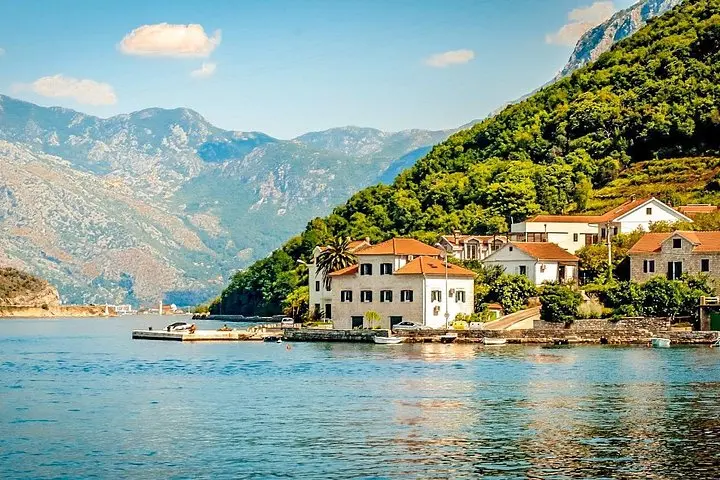
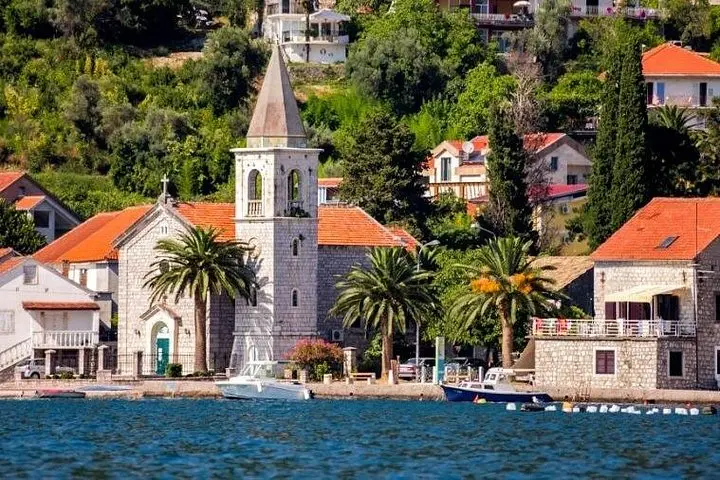
The itinerary is simple and refreshing: short stops at Crkva Svete Marije (built 1774) and Crkva Sv. Roko in Donja Lastva, a coastal stroll through Tivat, then a drive to the peaceful Rose Village for an hour on the beach. Each stop is compact — 20–30 minute pauses for photos and light exploration — but the geography between them is the real show: the Bay of Kotor is a drowned river canyon (a ria) carved into karst limestone, so the road clings to steep terraces and presents postcard views at nearly every hairpin.
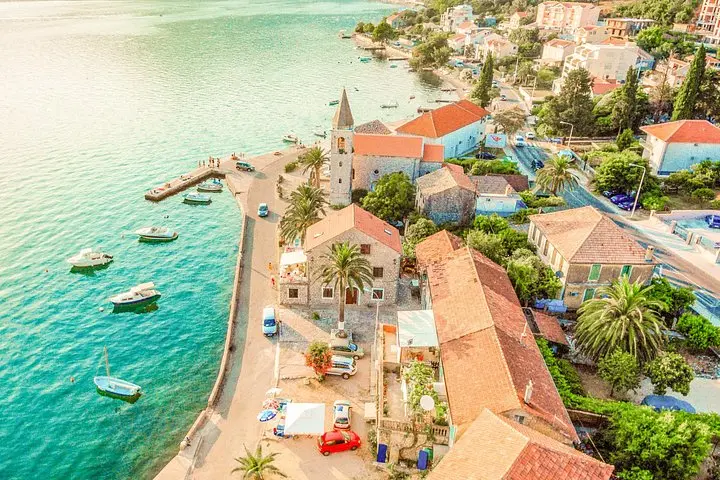
Historically, this coastline bears Venetian fingerprints: baroque facades, Gothic bell towers, and small Catholic communities that date to seafaring and trade routes. Crkva Svete Marije’s bell tower, mirrored by Perast across the water, signals the centuries-long cross-bay community ties. Donja Lastva’s St. Roko has frescoed interiors and a daily-open door policy that speaks to the region’s living, working faith traditions.
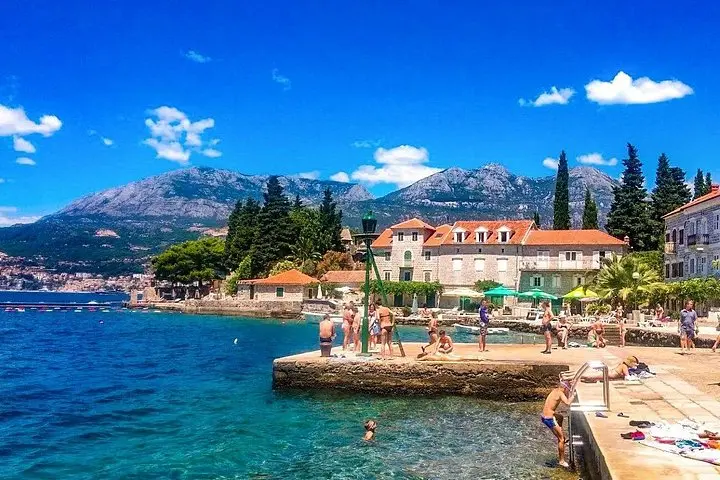
Geologically, the bay’s fjord-like appearance hides Mediterranean ecology — dense maquis shrubs, olive trees clinging to terraces, and clear, shallow coves where Posidonia beds shelter small fish. The Rose Village feels quieter than the tourist-packed towns; its sandy shore and a handful of family-run konobas offer a taste of slow coastal life.
Practical guidance: the full day runs about eight hours with hotel pickup in Kotor or Budva. Expect mostly paved roads and short walks (under 1 km per stop), but bring comfortable shoes for church steps and uneven seaside paths. Sun protection is crucial — the Adriatic sun bakes the stone. Pack a refillable water bottle, modest beachwear for the Rose Village hour, and small cash for church donations or seaside snacks.
Timing matters: morning light softens the bay’s contrasts and makes for cleaner photos; late afternoon brings warm tones on the cliffs. Guides usually allow 30 minutes at each church and roughly one hour at Rose Village; travel between Tivat and Rose can take 45–90 minutes depending on traffic and where you’re picked up. The tour is private and accessible for most fitness levels, making it a good option for travelers who want a relaxed, culturally rich day without long hikes.
Respect the fragile coastal environment — stick to paths, avoid disturbing vegetation, and choose local eateries to support small communities. In return, the bay returns your curiosity with quiet coves, empty bell towers, and the simple pleasure of salt air on sun-warmed stone.
The tour is approximately 8 hours and includes private transport, hotel pickup/drop-off, and stops at two churches, Tivat, and Rose Village; admissions are not required for the churches.
Yes — the operator offers pickup from hotels in downtown Kotor or Budva; expect to be ready about 30 minutes before departure time.
Yes — Rose Village has clear shallow water and a small sandy/pebble shore; bring swimwear and a towel if you plan to swim during the one-hour stop.
Most churches open daily and have easy ground-floor access, but there may be steps to enter and limited wheelchair access — contact the operator if accessibility is required.
Yes — the tour notes stroller access and infant seats; however, infants must sit on laps and parents should plan for sun protection.
The tour is private; language options vary by operator — confirm your preferred language at booking for the best experience.
Strange World Tour operates guided outdoor trips and adventures with an emphasis on safety, stewardship, and memorable experiences.
You step out of the shaded lane and the Adriatic opens like a polished mirror — blue deepening to indigo where the water drops off. The van eases along the outer rim of Boka Kotorska, and the day becomes a study in salt and stone: Gothic bell towers puncturing the skyline, sun-softened limestone cliffs, and villages that have been watching the bay for centuries.
You step out of the shaded lane and the Adriatic opens like a polished mirror — blue deepening to indigo where the water drops off. The van eases along the outer rim of Boka Kotorska, and the day becomes a study in salt and stone: Gothic bell towers puncturing the skyline, sun-softened limestone cliffs, and villages that have been watching the bay for centuries.
The itinerary is simple and refreshing: short stops at Crkva Svete Marije (built 1774) and Crkva Sv. Roko in Donja Lastva, a coastal stroll through Tivat, then a drive to the peaceful Rose Village for an hour on the beach. Each stop is compact — 20–30 minute pauses for photos and light exploration — but the geography between them is the real show: the Bay of Kotor is a drowned river canyon (a ria) carved into karst limestone, so the road clings to steep terraces and presents postcard views at nearly every hairpin.
Historically, this coastline bears Venetian fingerprints: baroque facades, Gothic bell towers, and small Catholic communities that date to seafaring and trade routes. Crkva Svete Marije’s bell tower, mirrored by Perast across the water, signals the centuries-long cross-bay community ties. Donja Lastva’s St. Roko has frescoed interiors and a daily-open door policy that speaks to the region’s living, working faith traditions.
Geologically, the bay’s fjord-like appearance hides Mediterranean ecology — dense maquis shrubs, olive trees clinging to terraces, and clear, shallow coves where Posidonia beds shelter small fish. The Rose Village feels quieter than the tourist-packed towns; its sandy shore and a handful of family-run konobas offer a taste of slow coastal life.
Practical guidance: the full day runs about eight hours with hotel pickup in Kotor or Budva. Expect mostly paved roads and short walks (under 1 km per stop), but bring comfortable shoes for church steps and uneven seaside paths. Sun protection is crucial — the Adriatic sun bakes the stone. Pack a refillable water bottle, modest beachwear for the Rose Village hour, and small cash for church donations or seaside snacks.
Timing matters: morning light softens the bay’s contrasts and makes for cleaner photos; late afternoon brings warm tones on the cliffs. Guides usually allow 30 minutes at each church and roughly one hour at Rose Village; travel between Tivat and Rose can take 45–90 minutes depending on traffic and where you’re picked up. The tour is private and accessible for most fitness levels, making it a good option for travelers who want a relaxed, culturally rich day without long hikes.
Respect the fragile coastal environment — stick to paths, avoid disturbing vegetation, and choose local eateries to support small communities. In return, the bay returns your curiosity with quiet coves, empty bell towers, and the simple pleasure of salt air on sun-warmed stone.