THE ADVENTURE COLLECTIVE® · Independent discovery and booking for outdoor travel

Walk the classic Everest route with Sherpa porters, sleeping in mountain lodges and reaching Kalapathar and Everest Base Camp over 12 days. This guided trek blends cultural insight with high-altitude terrain and logistical support.
Walk the classic Everest route with Sherpa porters, sleeping in mountain lodges and reaching Kalapathar and Everest Base Camp over 12 days. This guided trek blends cultural insight with high-altitude terrain and logistical support.
You step onto the Lukla airstrip with prayer flags snapping like signals from the high country, the Dudh Koshi river daring you as it pounds down from the ice above. Sherpa porters move with practiced economy, shouldering loads while snow-capped ridgelines sharpen overhead; this is a trek that trades comfort for altitude and close-up geology.
Verified experiences and guided adventures in the surrounding area.
Operated by Nepal Hiking Pvt. Ltd. · Kathmandu, Bagmati Province
You step onto the Lukla airstrip with prayer flags snapping like signals from the high country, the Dudh Koshi river daring you as it pounds down from the ice above. Sherpa porters move with practiced economy, shouldering loads while snow-capped ridgelines sharpen overhead; this is a trek that trades comfort for altitude and close-up geology.
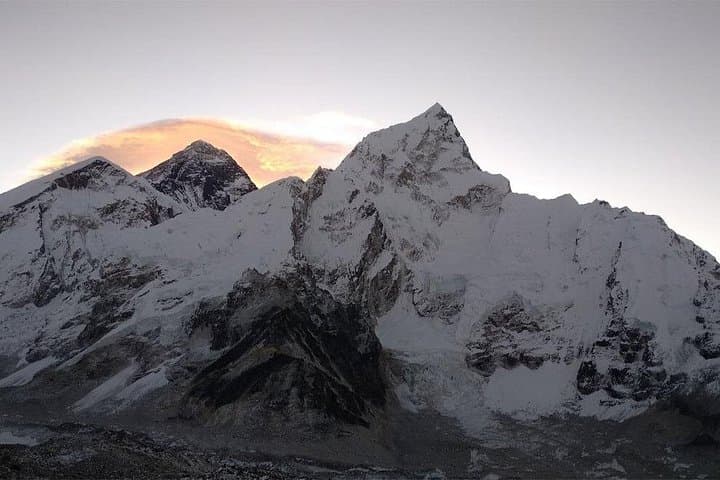
The route follows centuries of trade and pilgrimage. Sherpa culture—famous names like Tenzing Norgay—shapes village life here: mani walls, prayer wheels, and tea houses that have long hosted climbers and traders. Geology is obvious underfoot: moraine fields, glacial tills and the coarse rock of the Khumbu Glacier mark the path to Everest Base Camp and Kalapathar, where sunrise exposes Everest, Lhotse and Pumori in raw detail.
Expect a classic high-altitude lodge trek: daytime walks of 4–7 hours, routine elevation gains, and strategic acclimatization days in Namche and Dingboche. Weather is driven by the monsoon cycle—clear, cold mornings in pre- and post-monsoon seasons; heavier skies in summer. Flights to Lukla are thrilling but weather-dependent; plan buffer days.
Practical guidance: pace conservatively, hydrate often, and follow the itinerary’s acclimatization plan to reduce altitude risk. Use layered insulation, a good down jacket for night lodges, sturdy boots and trekking poles for rocky moraines. Respect local customs and hire porters ethically—they are the backbone of this landscape. When the wind pushes across the ridge at dawn, it will remind you: these mountains set the pace; you adapt and keep moving.
Yes; TIMS (Trekkers’ Information Management System) and Sagarmatha National Park permits are required and typically arranged by the operator.
Challenging: daily ascents and long days at increasing altitude demand good fitness and prior multi-day trekking experience.
Flights are weather-dependent; operators usually reschedule the flight and may add buffer days in Kathmandu—plan flexible travel onward.
A professional guide and shared porter service are included; guides handle logistics and acclimatization decisions, and porters reduce your load.
Nepal Hiking Pvt. Ltd. operates guided outdoor trips and adventures with an emphasis on safety, stewardship, and memorable experiences.
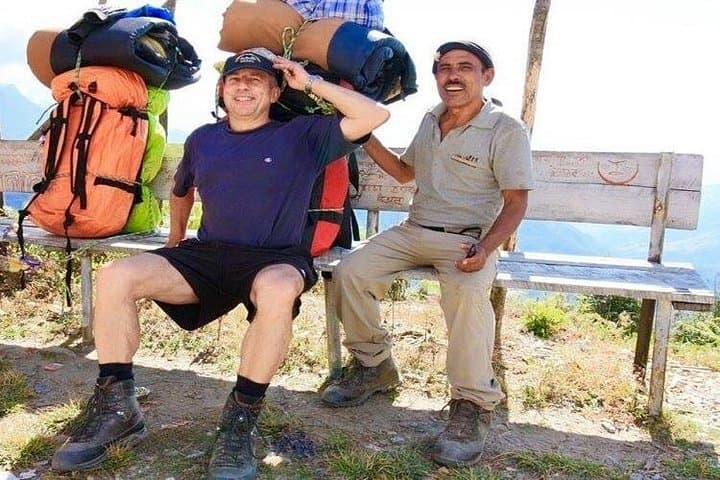
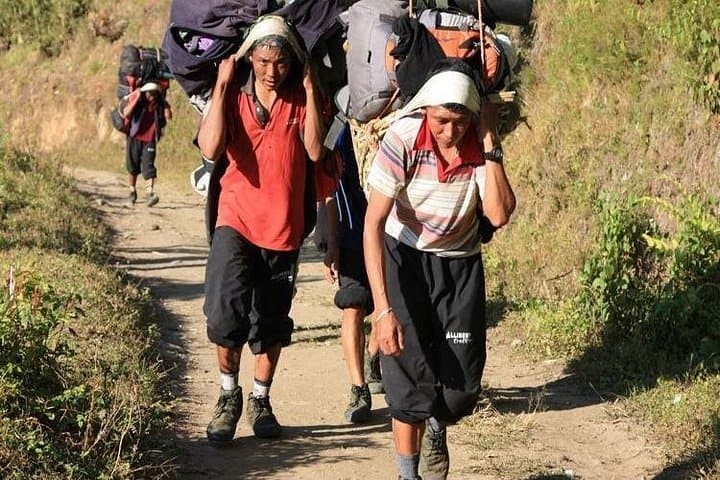
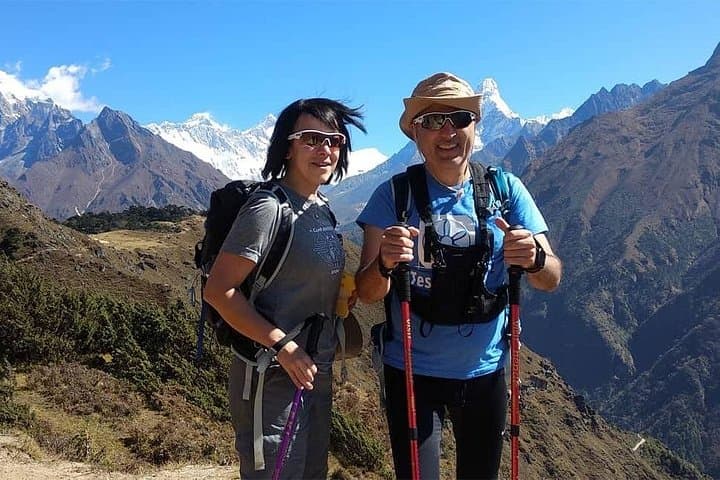
You step onto the Lukla airstrip with prayer flags snapping like signals from the high country, the Dudh Koshi river daring you as it pounds down from the ice above. Sherpa porters move with practiced economy, shouldering loads while snow-capped ridgelines sharpen overhead; this is a trek that trades comfort for altitude and close-up geology.
You step onto the Lukla airstrip with prayer flags snapping like signals from the high country, the Dudh Koshi river daring you as it pounds down from the ice above. Sherpa porters move with practiced economy, shouldering loads while snow-capped ridgelines sharpen overhead; this is a trek that trades comfort for altitude and close-up geology.
The route follows centuries of trade and pilgrimage. Sherpa culture—famous names like Tenzing Norgay—shapes village life here: mani walls, prayer wheels, and tea houses that have long hosted climbers and traders. Geology is obvious underfoot: moraine fields, glacial tills and the coarse rock of the Khumbu Glacier mark the path to Everest Base Camp and Kalapathar, where sunrise exposes Everest, Lhotse and Pumori in raw detail.
Expect a classic high-altitude lodge trek: daytime walks of 4–7 hours, routine elevation gains, and strategic acclimatization days in Namche and Dingboche. Weather is driven by the monsoon cycle—clear, cold mornings in pre- and post-monsoon seasons; heavier skies in summer. Flights to Lukla are thrilling but weather-dependent; plan buffer days.
Practical guidance: pace conservatively, hydrate often, and follow the itinerary’s acclimatization plan to reduce altitude risk. Use layered insulation, a good down jacket for night lodges, sturdy boots and trekking poles for rocky moraines. Respect local customs and hire porters ethically—they are the backbone of this landscape. When the wind pushes across the ridge at dawn, it will remind you: these mountains set the pace; you adapt and keep moving.