THE ADVENTURE COLLECTIVE® · Independent discovery and booking for outdoor travel

An immersive 90‑minute walking tour of Kansas City’s 18th & Vine district that pairs live jazz with an African American historical perspective. Expect music, museum stops, and close-up stories of bebop and community resilience.
An immersive 90‑minute walking tour of Kansas City’s 18th & Vine district that pairs live jazz with an African American historical perspective. Expect music, museum stops, and close-up stories of bebop and community resilience.
Step off the curb beneath the Blue Room sign and the city’s rhythm takes over — saxophone echoes, footsteps on brick, and the low hum of conversations that remember another era.
Verified experiences and guided adventures in the surrounding area.
Operated by Erik Stafford · Kansas City, Missouri
Step off the curb beneath the Blue Room sign and the city’s rhythm takes over — saxophone echoes, footsteps on brick, and the low hum of conversations that remember another era.
The 90-minute Be Bop and Beyond tour threads through Kansas City’s 18th & Vine Historic District, where music and community mapped a path through segregation into cultural identity. Guides connect the dots between places where Charlie Parker and Dizzy Gillespie first traded licks, the storefronts that hosted meeting rooms for civil-rights strategists, and the clubrooms that kept jazz alive. Geology and streetscape matter here: red-brick sidewalks, elevated rail spurs, and the shallow rise from the Missouri River shaped neighborhood patterns and migration routes.
Cultural context is central. The district grew as a hub of Black entrepreneurship and nightlife during Jim Crow, producing bebop and nurturing voices that later fueled social change. Local museums and venues still operate as living institutions — the American Jazz Museum features live sets on many nights, and the nearby Negro Leagues Baseball Museum adds civic texture to the walk.
Practical guidance: the tour covers paved streets and short stair sections — expect about a mile of walking and intermittent standing to listen. Wear supportive shoes, bring a bottle of water, and arrive 10 minutes early to find the meeting point under the Blue Room sign. Tours run rain or shine but may cancel for severe weather; they’re wheelchair accessible but contact the operator for specifics on mobility needs. The route is compact, historically rich, and best enjoyed with an appetite for stories as much as the music.
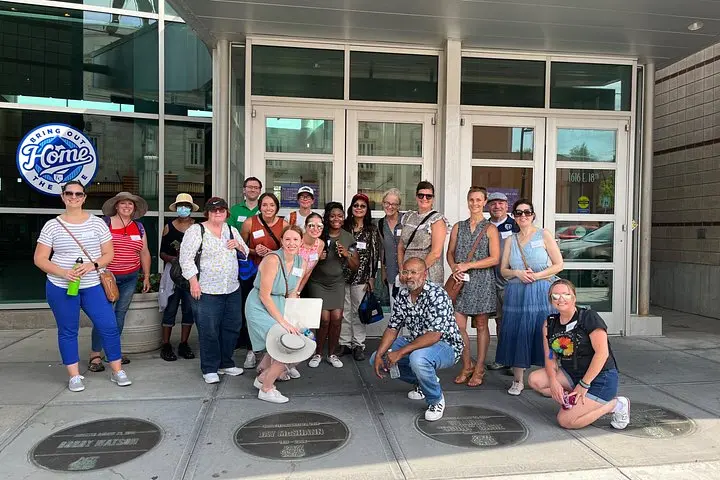
The tour meets underneath the Blue Room sign on 18th and Vine in the 18th & Vine Historic District; arrive 10 minutes early to check in.
Yes — the operator lists the tour as wheelchair accessible, but contact them ahead to discuss any specific mobility needs or accommodations.
Yes — the itinerary features a live jazz set at the American Jazz Museum venue, though exact performers and set times may vary by night.
The tour may be canceled in severe weather; standard policy allows full refunds if canceled at least 24 hours before the scheduled departure.
Erik Stafford operates guided outdoor trips and adventures with an emphasis on safety, stewardship, and memorable experiences.
Step off the curb beneath the Blue Room sign and the city’s rhythm takes over — saxophone echoes, footsteps on brick, and the low hum of conversations that remember another era.
Step off the curb beneath the Blue Room sign and the city’s rhythm takes over — saxophone echoes, footsteps on brick, and the low hum of conversations that remember another era.
The 90-minute Be Bop and Beyond tour threads through Kansas City’s 18th & Vine Historic District, where music and community mapped a path through segregation into cultural identity. Guides connect the dots between places where Charlie Parker and Dizzy Gillespie first traded licks, the storefronts that hosted meeting rooms for civil-rights strategists, and the clubrooms that kept jazz alive. Geology and streetscape matter here: red-brick sidewalks, elevated rail spurs, and the shallow rise from the Missouri River shaped neighborhood patterns and migration routes.
Cultural context is central. The district grew as a hub of Black entrepreneurship and nightlife during Jim Crow, producing bebop and nurturing voices that later fueled social change. Local museums and venues still operate as living institutions — the American Jazz Museum features live sets on many nights, and the nearby Negro Leagues Baseball Museum adds civic texture to the walk.
Practical guidance: the tour covers paved streets and short stair sections — expect about a mile of walking and intermittent standing to listen. Wear supportive shoes, bring a bottle of water, and arrive 10 minutes early to find the meeting point under the Blue Room sign. Tours run rain or shine but may cancel for severe weather; they’re wheelchair accessible but contact the operator for specifics on mobility needs. The route is compact, historically rich, and best enjoyed with an appetite for stories as much as the music.