THE ADVENTURE COLLECTIVE® · Independent discovery and booking for outdoor travel

Follow Darwin’s old course from Ushuaia on a 3–4 hour catamaran through the Beagle Channel to Les Éclaireurs lighthouse and sea lion rookeries. Expect glacier-cut scenery, maritime history, and close wildlife views with hotel transfers included.
Follow Darwin’s old course from Ushuaia on a 3–4 hour catamaran through the Beagle Channel to Les Éclaireurs lighthouse and sea lion rookeries. Expect glacier-cut scenery, maritime history, and close wildlife views with hotel transfers included.
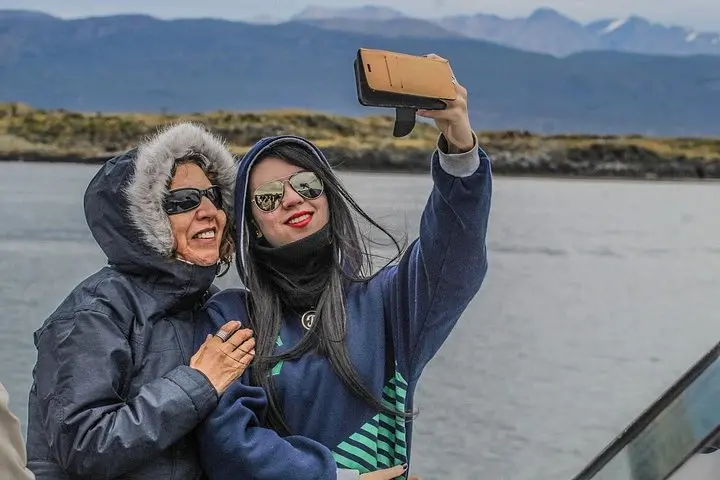
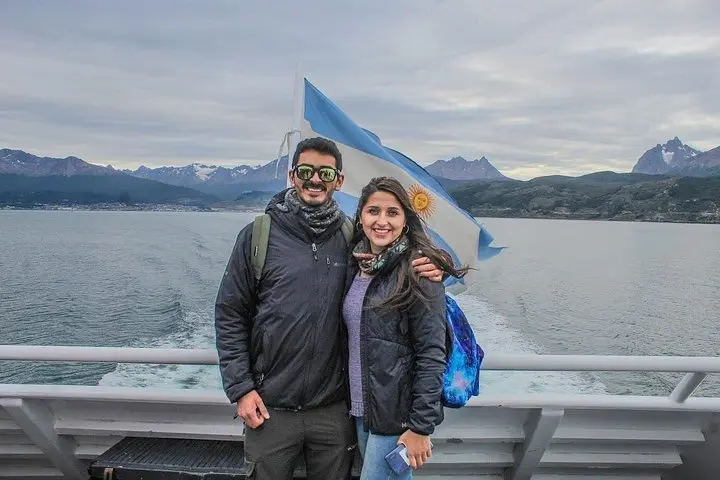
The catamaran slips out of Ushuaia’s harbor and the city’s last buildings drop away, leaving a knife of water cutting between low, rocky isles. Wind and spray shape the day as the Beagle Channel opens—gunmetal water that pushes at the hull and dares you to look farther.
Verified experiences and guided adventures in the surrounding area.
Operated by Tangol · Ushuaia, Tierra del Fuego
The catamaran slips out of Ushuaia’s harbor and the city’s last buildings drop away, leaving a knife of water cutting between low, rocky isles. Wind and spray shape the day as the Beagle Channel opens—gunmetal water that pushes at the hull and dares you to look farther.
The route follows the same corridor charted by Darwin in the 1830s; on clear days, the serrated peaks of the Olivia and Cinco Hermanos ranges stand like a saw edge behind the town. Geologically, the channel is a glacial-carved strait where fjord-like arms and rocky skerries reveal recent ice action and exposed granite. Culturally, Ushuaia’s roots as a penal colony and port town are visible in the old prison buildings and the Maritime Museum you pass, reminders of a rugged human history alongside harsher natural forces.
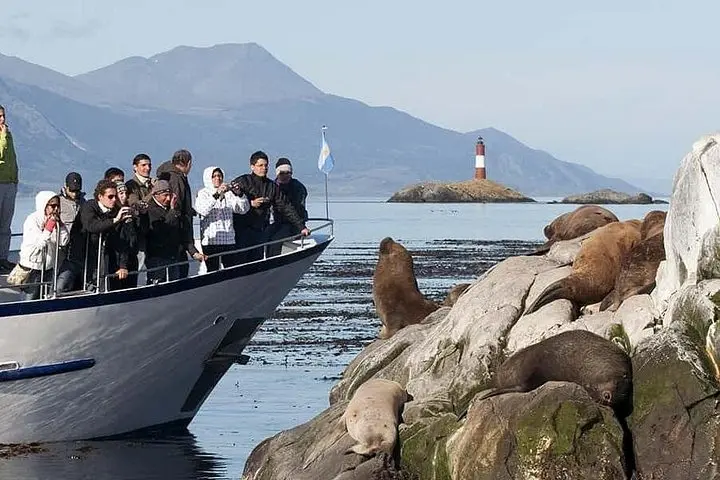
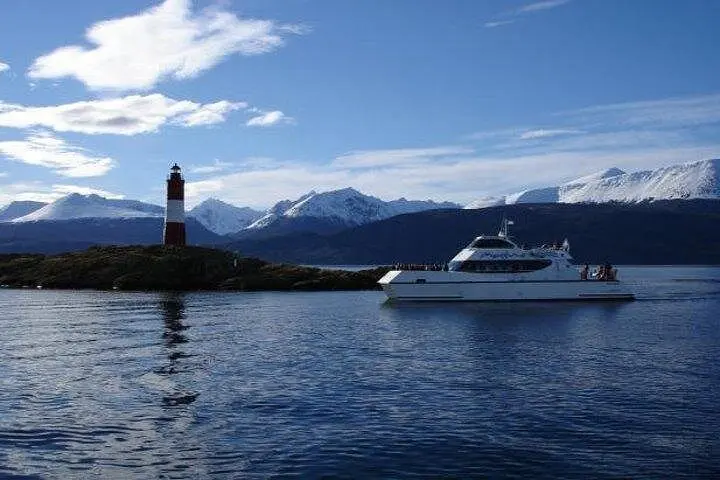
Les Éclaireurs lighthouse, a red-and-white marker built in 1920, punctuates the route, and nearby the ribs of the SS Monte Cervantes can sometimes be sighted. Wildlife is the prime draw: Isla de Lobos hosts rookeries of South American sea lions and fur seals, while Isla de Pájaros attracts king cormorants, steamer ducks and petrels.
Practical guidance: tours last roughly 3–4 hours including transfers; bring layered waterproofs, non-slip shoes and binoculars for close viewing. Expect cool, windy conditions year-round and short, guided commentary in English and Spanish. Operators typically provide round-trip hotel pickup—confirm pickup point and cancel at least 24 hours ahead if plans change. Stay on deck for photos, but follow crew instructions near wildlife to minimize disturbance.
Total outing is about 3–4 hours door-to-door; this product includes round-trip hotel pickup and return transport.
Wildlife sightings are common but not guaranteed; weather, season and animal movements affect viewing opportunities.
Yes—operators list it as suitable for all fitness levels, though passengers should be able to safely board and stand on deck.
If prone to seasickness, take preventive medication before boarding and choose a central seat on deck where movement is less pronounced.
Tangol operates guided outdoor trips and adventures with an emphasis on safety, stewardship, and memorable experiences.
The catamaran slips out of Ushuaia’s harbor and the city’s last buildings drop away, leaving a knife of water cutting between low, rocky isles. Wind and spray shape the day as the Beagle Channel opens—gunmetal water that pushes at the hull and dares you to look farther.
The catamaran slips out of Ushuaia’s harbor and the city’s last buildings drop away, leaving a knife of water cutting between low, rocky isles. Wind and spray shape the day as the Beagle Channel opens—gunmetal water that pushes at the hull and dares you to look farther.
The route follows the same corridor charted by Darwin in the 1830s; on clear days, the serrated peaks of the Olivia and Cinco Hermanos ranges stand like a saw edge behind the town. Geologically, the channel is a glacial-carved strait where fjord-like arms and rocky skerries reveal recent ice action and exposed granite. Culturally, Ushuaia’s roots as a penal colony and port town are visible in the old prison buildings and the Maritime Museum you pass, reminders of a rugged human history alongside harsher natural forces.
Les Éclaireurs lighthouse, a red-and-white marker built in 1920, punctuates the route, and nearby the ribs of the SS Monte Cervantes can sometimes be sighted. Wildlife is the prime draw: Isla de Lobos hosts rookeries of South American sea lions and fur seals, while Isla de Pájaros attracts king cormorants, steamer ducks and petrels.
Practical guidance: tours last roughly 3–4 hours including transfers; bring layered waterproofs, non-slip shoes and binoculars for close viewing. Expect cool, windy conditions year-round and short, guided commentary in English and Spanish. Operators typically provide round-trip hotel pickup—confirm pickup point and cancel at least 24 hours ahead if plans change. Stay on deck for photos, but follow crew instructions near wildlife to minimize disturbance.