THE ADVENTURE COLLECTIVE® · Independent discovery and booking for outdoor travel

Cruise the Beagle Channel from Ushuaia on a half-day catamaran to see sea lions, Les Eclaireurs Lighthouse and colonies of Magellanic and Gentoo penguins at Martillo Island. This bilingual guided tour blends natural history, dramatic Patagonian geology and reliable wildlife viewing.
Cruise the Beagle Channel from Ushuaia on a half-day catamaran to see sea lions, Les Eclaireurs Lighthouse and colonies of Magellanic and Gentoo penguins at Martillo Island. This bilingual guided tour blends natural history, dramatic Patagonian geology and reliable wildlife viewing.
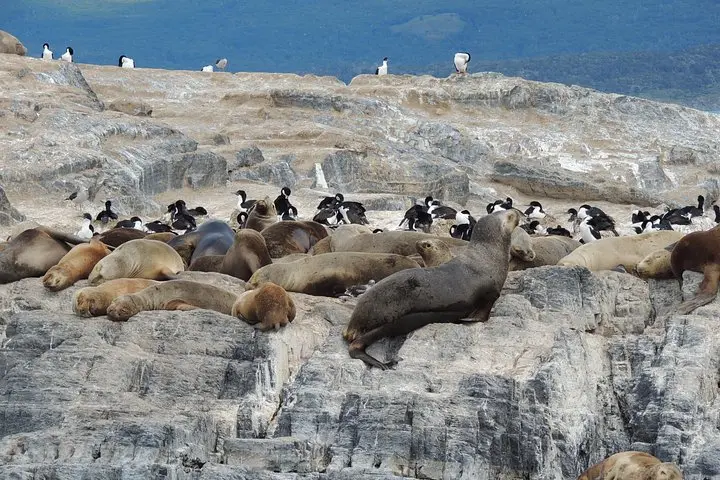
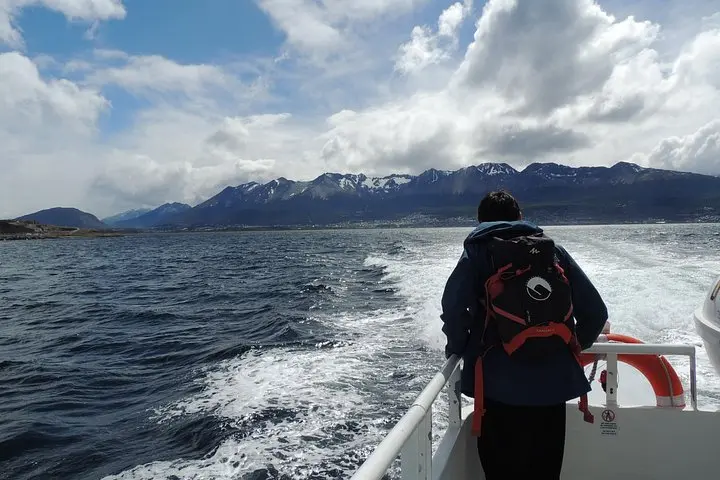
The catamaran eases away from Ushuaia’s port and the city’s low houses slide aft as the Beagle Channel opens—glassy nearshore water, wind picking up, mountains folding into low cloud. You move east, past Lobos Island where sea lions haul out on black rock, and the Les Eclaireurs Lighthouse stands like a small, white argument against Patagonian weather. The air smells faintly of kelp and diesel; the guide points out albatross wings flashing and the shapes of Navarino Island on the horizon.
Verified experiences and guided adventures in the surrounding area.
Operated by Howlanders · Ushuaia, Tierra del Fuego
The catamaran eases away from Ushuaia’s port and the city’s low houses slide aft as the Beagle Channel opens—glassy nearshore water, wind picking up, mountains folding into low cloud. You move east, past Lobos Island where sea lions haul out on black rock, and the Les Eclaireurs Lighthouse stands like a small, white argument against Patagonian weather. The air smells faintly of kelp and diesel; the guide points out albatross wings flashing and the shapes of Navarino Island on the horizon.
Geology here is recent and raw: glacially carved valleys and islands left by retreating ice, with sedimentary shelves that feed rich marine life. Culturally, Ushuaia is a frontier port shaped by maritime history, indigenous Yámana heritage and the 20th-century push for southern settlements—markers visible in small coastal chapels and the Maritime Museum you pass at departure.
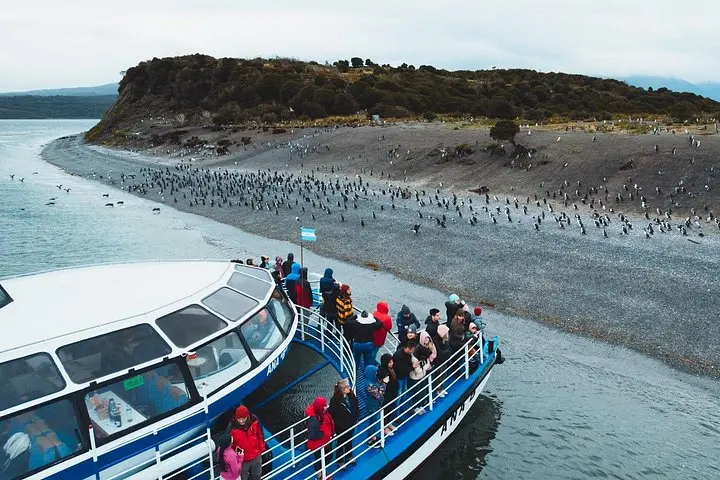
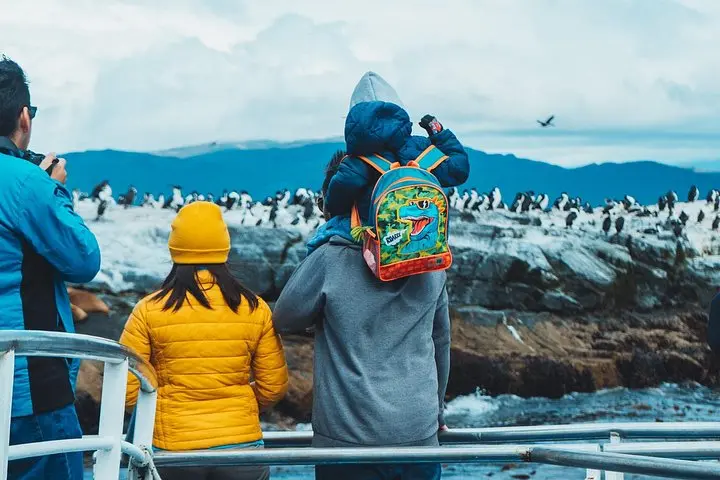
The highlight comes at Martillo (Hammerhead) Island, where Magellanic and Gentoo penguins parade along pebbled beaches. Onboard viewing keeps disturbance low while still offering close observation and photo opportunities. Expect bilingual narration about breeding cycles, navigation hazards and the channel’s microclimates.
Practical notes: the tour is a half-day (about 6–7 hours) leaving from Ushuaia’s main pier; dress in windproof layers, bring binoculars, camera and seasickness remedies if you’re prone. Peak light for photos is usually mid-morning; calm seas are more common in late summer. Operators limit boat-to-shore contact to protect colonies—observe guidelines and keep noise low to avoid stressing wildlife.
No—this tour views Magellanic and Gentoo penguins from the boat to minimize disturbance; some operators allow limited landings on specific islands only under strict rules, but this cruise keeps observation at sea.
Even in summer temperatures are cool and windy; wear base layers, an insulating mid-layer and a waterproof wind shell. Hat and gloves are advisable outside of peak summer.
Yes—infants can travel but must sit on an adult’s lap; strollers and wheelchair-accessible options are noted by the operator—check at booking for accessibility details.
Common sightings include Magellanic and Gentoo penguins, South American sea lions, various gulls and larger seabirds such as albatrosses and cormorants; sightings depend on season and sea conditions.
Howlanders operates guided outdoor trips and adventures with an emphasis on safety, stewardship, and memorable experiences.
The catamaran eases away from Ushuaia’s port and the city’s low houses slide aft as the Beagle Channel opens—glassy nearshore water, wind picking up, mountains folding into low cloud. You move east, past Lobos Island where sea lions haul out on black rock, and the Les Eclaireurs Lighthouse stands like a small, white argument against Patagonian weather. The air smells faintly of kelp and diesel; the guide points out albatross wings flashing and the shapes of Navarino Island on the horizon.
The catamaran eases away from Ushuaia’s port and the city’s low houses slide aft as the Beagle Channel opens—glassy nearshore water, wind picking up, mountains folding into low cloud. You move east, past Lobos Island where sea lions haul out on black rock, and the Les Eclaireurs Lighthouse stands like a small, white argument against Patagonian weather. The air smells faintly of kelp and diesel; the guide points out albatross wings flashing and the shapes of Navarino Island on the horizon.
Geology here is recent and raw: glacially carved valleys and islands left by retreating ice, with sedimentary shelves that feed rich marine life. Culturally, Ushuaia is a frontier port shaped by maritime history, indigenous Yámana heritage and the 20th-century push for southern settlements—markers visible in small coastal chapels and the Maritime Museum you pass at departure.
The highlight comes at Martillo (Hammerhead) Island, where Magellanic and Gentoo penguins parade along pebbled beaches. Onboard viewing keeps disturbance low while still offering close observation and photo opportunities. Expect bilingual narration about breeding cycles, navigation hazards and the channel’s microclimates.
Practical notes: the tour is a half-day (about 6–7 hours) leaving from Ushuaia’s main pier; dress in windproof layers, bring binoculars, camera and seasickness remedies if you’re prone. Peak light for photos is usually mid-morning; calm seas are more common in late summer. Operators limit boat-to-shore contact to protect colonies—observe guidelines and keep noise low to avoid stressing wildlife.