THE ADVENTURE COLLECTIVE® · Independent discovery and booking for outdoor travel

Explore limestone caves, cross a vertiginous suspension bridge with alpine panoramas, stroll Thun’s medieval heart, and end at the electric-blue Blausee—all on a focused day trip from Interlaken. Practical route notes and what to bring inside.
Explore limestone caves, cross a vertiginous suspension bridge with alpine panoramas, stroll Thun’s medieval heart, and end at the electric-blue Blausee—all on a focused day trip from Interlaken. Practical route notes and what to bring inside.
You step off the minivan where the road narrows and the lake widens; water presses glassy blue against rock and the forest smells of wet pine. The tour threads lake shore, gorge and forest—descending into the cool hush of the Beatus Caves, then climbing to the airy span of Sigriswil’s suspension bridge that dangles you above a carved gorge. Later, Thun’s medieval streets open like pages of a civic history, and the day closes at Blausee where the lake refuses to be anything but an electric, impossibly calm blue.
Verified experiences and guided adventures in the surrounding area.
Operated by SwissTravelGuide.ch · Interlaken, Bern
You step off the minivan where the road narrows and the lake widens; water presses glassy blue against rock and the forest smells of wet pine. The tour threads lake shore, gorge and forest—descending into the cool hush of the Beatus Caves, then climbing to the airy span of Sigriswil’s suspension bridge that dangles you above a carved gorge. Later, Thun’s medieval streets open like pages of a civic history, and the day closes at Blausee where the lake refuses to be anything but an electric, impossibly calm blue.
The caves are limestone formed across millennia, dripping stalactites and slow-flowing stalagmites that mark ancient groundwater paths. The Sigriswil bridge, a modern pedestrian link, frames the Bernese Alps—Eiger, Mönch and Jungfrau—while Thun’s 12th-century castle and riverside quays tell of trade and defensive priorities shaped by the Aare. Blausee’s basin is a product of a post-glacial rockfall; the glass-bottom boat and forest paths show how tourism and conservation intersect here.
Practically: allow a full day (about 7–8 hours) and expect lots of short walks and stairs—cave paths are illuminated and well-built but can be damp. Bring a light jacket for the cave and the bridge’s breeze, sturdy shoes for mixed surfaces, and cash or card for small local purchases in Thun. If you time the trip for late afternoon light at Blausee, the lake’s color deepens and crowds thin. This route suits travelers seeking accessible nature with cultural stops and concentrated alpine scenery.
The full excursion lasts about 7–8 hours (435 minutes) with round-trip transfers from Interlaken included in the itinerary.
Yes—entrance fees for Beatus Caves, the Sigriswil suspension bridge, and Blausee nature park (including the glass-bottom boat) are included as listed in the tour inclusions.
The tour is described as suitable for all fitness levels, but caves involve stairs and uneven surfaces and the bridge has open views—children should be supervised and those with mobility limits should check specifics before booking.
Full refunds are available if you cancel at least 24 hours before departure; the tour may be cancelled in bad weather according to the provider’s policy.
SwissTravelGuide.ch operates guided outdoor trips and adventures with an emphasis on safety, stewardship, and memorable experiences.
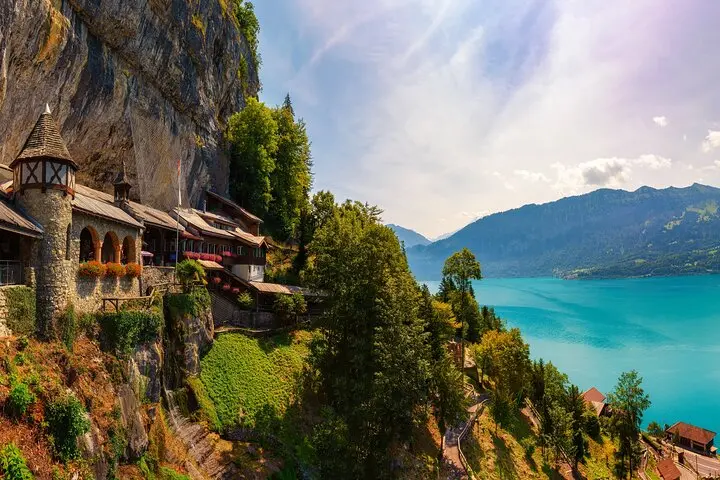
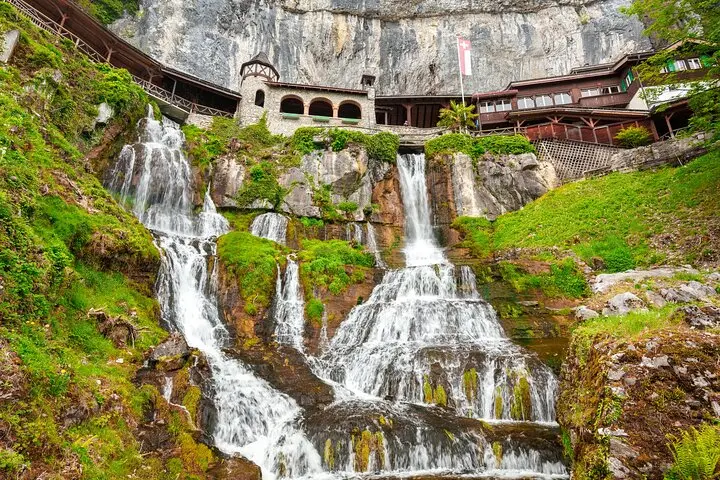
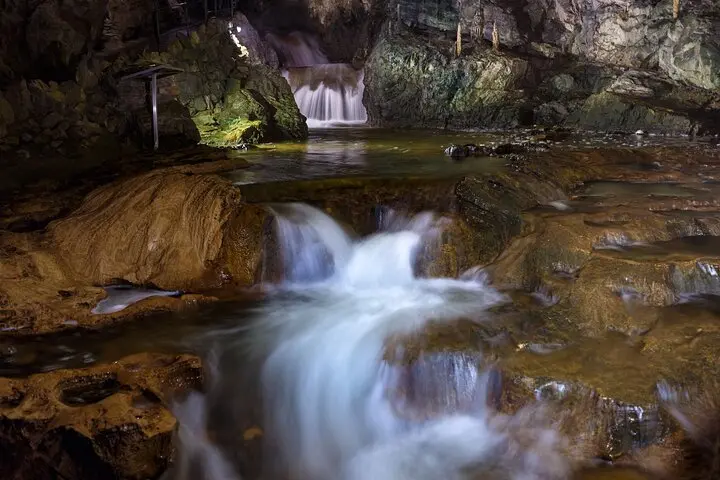
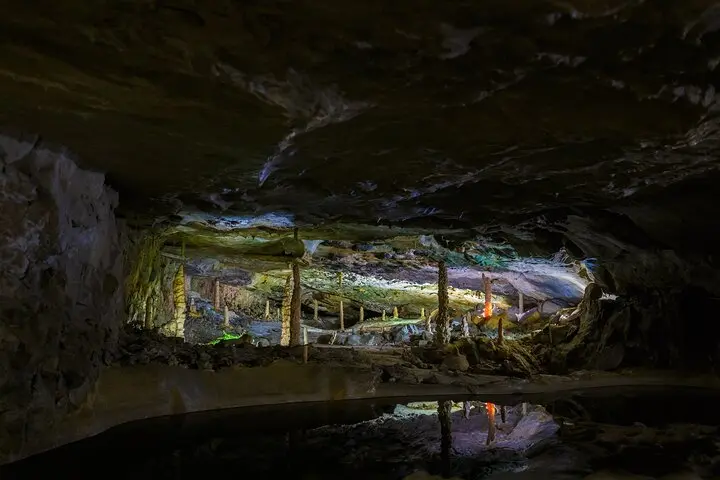
You step off the minivan where the road narrows and the lake widens; water presses glassy blue against rock and the forest smells of wet pine. The tour threads lake shore, gorge and forest—descending into the cool hush of the Beatus Caves, then climbing to the airy span of Sigriswil’s suspension bridge that dangles you above a carved gorge. Later, Thun’s medieval streets open like pages of a civic history, and the day closes at Blausee where the lake refuses to be anything but an electric, impossibly calm blue.
You step off the minivan where the road narrows and the lake widens; water presses glassy blue against rock and the forest smells of wet pine. The tour threads lake shore, gorge and forest—descending into the cool hush of the Beatus Caves, then climbing to the airy span of Sigriswil’s suspension bridge that dangles you above a carved gorge. Later, Thun’s medieval streets open like pages of a civic history, and the day closes at Blausee where the lake refuses to be anything but an electric, impossibly calm blue.
The caves are limestone formed across millennia, dripping stalactites and slow-flowing stalagmites that mark ancient groundwater paths. The Sigriswil bridge, a modern pedestrian link, frames the Bernese Alps—Eiger, Mönch and Jungfrau—while Thun’s 12th-century castle and riverside quays tell of trade and defensive priorities shaped by the Aare. Blausee’s basin is a product of a post-glacial rockfall; the glass-bottom boat and forest paths show how tourism and conservation intersect here.
Practically: allow a full day (about 7–8 hours) and expect lots of short walks and stairs—cave paths are illuminated and well-built but can be damp. Bring a light jacket for the cave and the bridge’s breeze, sturdy shoes for mixed surfaces, and cash or card for small local purchases in Thun. If you time the trip for late afternoon light at Blausee, the lake’s color deepens and crowds thin. This route suits travelers seeking accessible nature with cultural stops and concentrated alpine scenery.