THE ADVENTURE COLLECTIVE® · Independent discovery and booking for outdoor travel

Spend two hours with winemakers Inès and Anaïs exploring Beaujolais vineyards, cellar techniques and the surprising chemistry of wine-and-chocolate pairings. This hands-on workshop combines a short vineyard visit with four guided tastings and artisanal chocolates.
Spend two hours with winemakers Inès and Anaïs exploring Beaujolais vineyards, cellar techniques and the surprising chemistry of wine-and-chocolate pairings. This hands-on workshop combines a short vineyard visit with four guided tastings and artisanal chocolates.
The estate air is cool and slightly sweet; rows of Gamay reach toward the sun while two hosts—Inès and Anaïs—move through the vines, inviting guests to touch leaves and smell soil. The two-hour workshop begins among the vines, then settles into the cellar where four wines and hand-crafted chocolates meet, each tasting a small experiment in balance and contrast.
Verified experiences and guided adventures in the surrounding area.
Operated by Les Epicurieuses · Lyon, Auvergne-Rhône-Alpes
The estate air is cool and slightly sweet; rows of Gamay reach toward the sun while two hosts—Inès and Anaïs—move through the vines, inviting guests to touch leaves and smell soil. The two-hour workshop begins among the vines, then settles into the cellar where four wines and hand-crafted chocolates meet, each tasting a small experiment in balance and contrast.
Beaujolais’s story is blunt and practical: Gamay grapes, trained on steep slopes, have defined the region since medieval times, while the “pierres dorées” (golden stones) of southern Beaujolais give villages like Oingt their warm colour. Geology matters here—drainage on schist and limestone slopes yields wines that are bright, fruit-forward and meant for early drinking rather than long aging.
Culturally, the region is convivial—local tables, simple charcuterie and the annual flurry of Beaujolais Nouveau are part of the rhythm. The tasting workshop translates that culture into a sensory exercise: how acidity and tannin in wine interact with cocoa, fat and sugar.
Practical guidance: expect 90–120 minutes of standing, walking short vineyard sections and close sensory work. Wear sturdy, closed-toe shoes for uneven rows; don’t drive after tasting—book a taxi or return transport. Bring a small notebook if you want to record pairings, and mention allergies or dietary needs when booking. The workshop is best booked in advance; groups are small, and the hosts limit participants to keep the experience hands-on and conversational.
Transportation is not usually included; most bookings depart from Lyon and require guests to arrange their own transit or taxi to the estate.
The workshop includes original chocolates—inform hosts at booking and they can offer adjustments or alternative snacks when possible.
This experience is reserved for adults; tasters include alcohol and the program is designed for mature participants.
Yes, most estates will sell bottles after the tasting—ask the host about prices and shipping options if you don’t want to carry bottles home.
Les Epicurieuses operates guided outdoor trips and adventures with an emphasis on safety, stewardship, and memorable experiences.


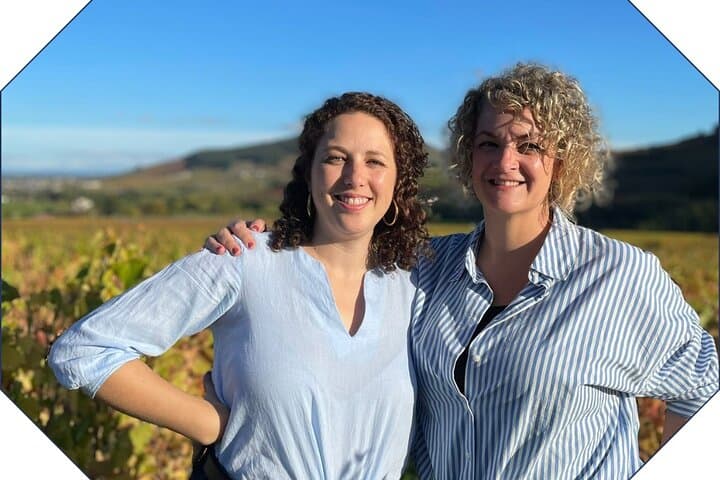
The estate air is cool and slightly sweet; rows of Gamay reach toward the sun while two hosts—Inès and Anaïs—move through the vines, inviting guests to touch leaves and smell soil. The two-hour workshop begins among the vines, then settles into the cellar where four wines and hand-crafted chocolates meet, each tasting a small experiment in balance and contrast.
The estate air is cool and slightly sweet; rows of Gamay reach toward the sun while two hosts—Inès and Anaïs—move through the vines, inviting guests to touch leaves and smell soil. The two-hour workshop begins among the vines, then settles into the cellar where four wines and hand-crafted chocolates meet, each tasting a small experiment in balance and contrast.
Beaujolais’s story is blunt and practical: Gamay grapes, trained on steep slopes, have defined the region since medieval times, while the “pierres dorées” (golden stones) of southern Beaujolais give villages like Oingt their warm colour. Geology matters here—drainage on schist and limestone slopes yields wines that are bright, fruit-forward and meant for early drinking rather than long aging.
Culturally, the region is convivial—local tables, simple charcuterie and the annual flurry of Beaujolais Nouveau are part of the rhythm. The tasting workshop translates that culture into a sensory exercise: how acidity and tannin in wine interact with cocoa, fat and sugar.
Practical guidance: expect 90–120 minutes of standing, walking short vineyard sections and close sensory work. Wear sturdy, closed-toe shoes for uneven rows; don’t drive after tasting—book a taxi or return transport. Bring a small notebook if you want to record pairings, and mention allergies or dietary needs when booking. The workshop is best booked in advance; groups are small, and the hosts limit participants to keep the experience hands-on and conversational.