THE ADVENTURE COLLECTIVE® · Independent discovery and booking for outdoor travel

Share an evening learning to cook maqloba and mansaf beside a fire in Little Petra. This hands‑on Bedouin cooking experience pairs tactile lessons with tea under desert stars — practical, cultural, and easy to join from Wadi Musa.
Share an evening learning to cook maqloba and mansaf beside a fire in Little Petra. This hands‑on Bedouin cooking experience pairs tactile lessons with tea under desert stars — practical, cultural, and easy to join from Wadi Musa.
You arrive as the sun loosens its grip on the sandstone ribs of Little Petra, a narrow amphitheater where the cliffs gather cool shadows and the wind finds a voice between rocks. A low campfire pops to life in a cave entrance; the scent of olive oil and spiced lamb rides the air while a guide teaches the steps of a Bedouin meal.
Verified experiences and guided adventures in the surrounding area.
Operated by Jordanian Bedouin food on fire · Wadi Musa, Ma'an Governorate
You arrive as the sun loosens its grip on the sandstone ribs of Little Petra, a narrow amphitheater where the cliffs gather cool shadows and the wind finds a voice between rocks. A low campfire pops to life in a cave entrance; the scent of olive oil and spiced lamb rides the air while a guide teaches the steps of a Bedouin meal.
Little Petra (Siq al‑Barid) is a smaller Nabatean outcrop north of Petra’s main tombs, its carved facades and simple dwellings carved into limestone and sandstone formed by ancient rivers and uplift. The cooking tradition here blends Ottoman and Bedouin practices — communal pots, slow embers, and rice dishes like maqloba and mansaf that reflect centuries of desert trade and resourcefulness.
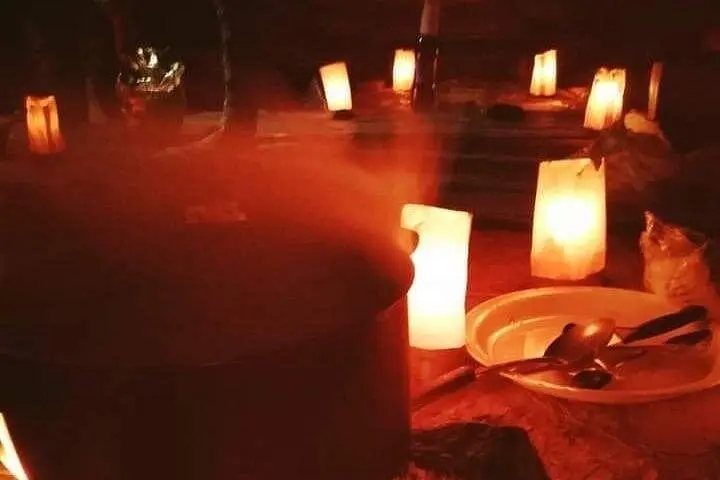
Expect hands‑on instruction: preparing coals, layering rice and roasted vegetables, and learning local herb uses. The terrain is compact rock and sand; you’ll sit on low cushions or stones beneath an open sky where constellations feel close enough to touch. Guides will serve tea and knafeh after dinner and explain differences between historic Bedouin techniques and modern adaptations.
Practical notes: this is an evening, five‑hour activity with pickup from Wadi Musa; there’s no electricity at the site. Wear sturdy shoes for short uneven walks, bring a headlamp, and carry water—temperatures drop quickly after dark. Respect the site by minimizing light and waste; flash photography can disturb the experience for others. This is a cultural, low‑impact outing ideal for people who want a tactile introduction to Jordanian food and desert life.
The activity runs about five hours total, including pickup from Wadi Musa, cooking, dinner, and return.
Yes; the listing notes stroller access and infant seats, but keep children supervised around hot coals.
No — guides teach each step; the session is designed for beginners and curious travelers.
Vegetarian options are offered (mixed vegetables cooked over fire); notify the operator at booking for other restrictions.
Jordanian Bedouin food on fire operates guided outdoor trips and adventures with an emphasis on safety, stewardship, and memorable experiences.
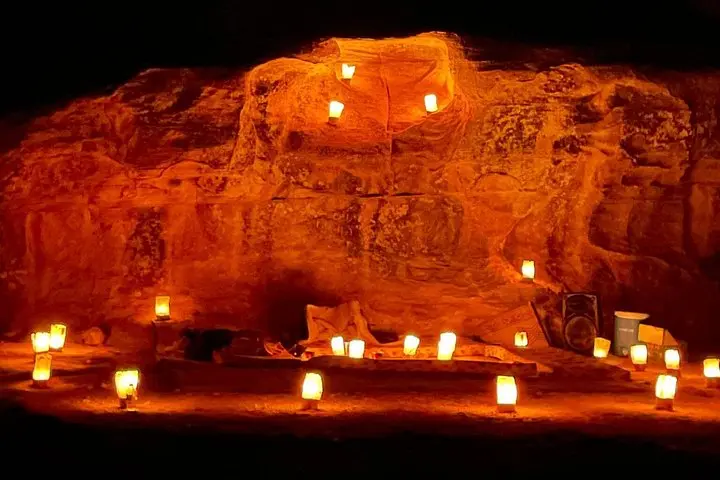
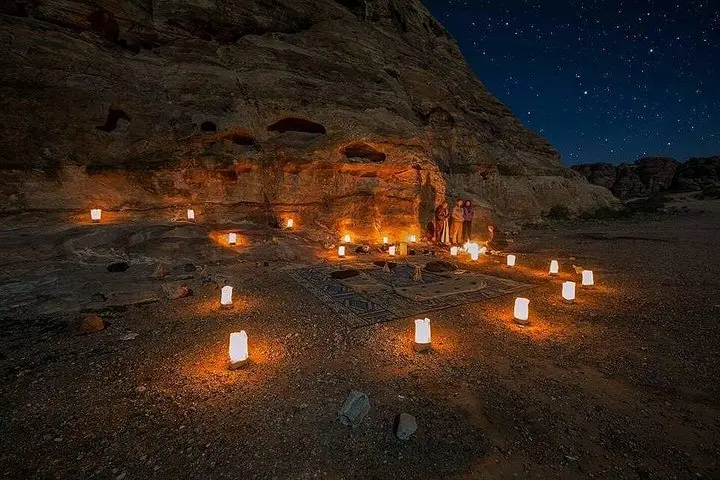
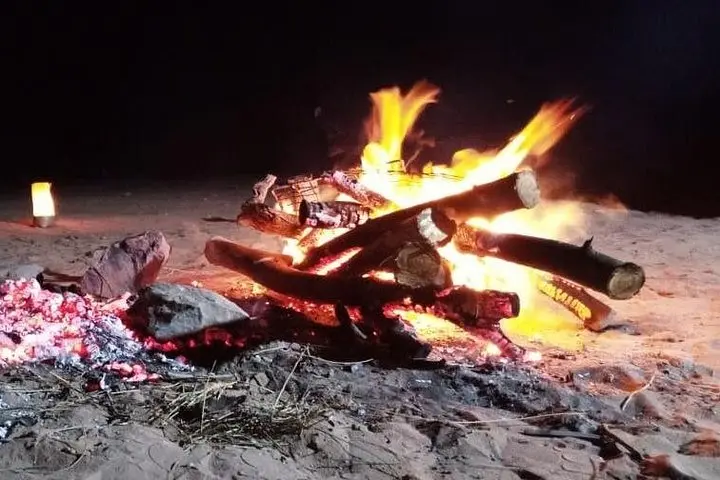
You arrive as the sun loosens its grip on the sandstone ribs of Little Petra, a narrow amphitheater where the cliffs gather cool shadows and the wind finds a voice between rocks. A low campfire pops to life in a cave entrance; the scent of olive oil and spiced lamb rides the air while a guide teaches the steps of a Bedouin meal.
You arrive as the sun loosens its grip on the sandstone ribs of Little Petra, a narrow amphitheater where the cliffs gather cool shadows and the wind finds a voice between rocks. A low campfire pops to life in a cave entrance; the scent of olive oil and spiced lamb rides the air while a guide teaches the steps of a Bedouin meal.
Little Petra (Siq al‑Barid) is a smaller Nabatean outcrop north of Petra’s main tombs, its carved facades and simple dwellings carved into limestone and sandstone formed by ancient rivers and uplift. The cooking tradition here blends Ottoman and Bedouin practices — communal pots, slow embers, and rice dishes like maqloba and mansaf that reflect centuries of desert trade and resourcefulness.
Expect hands‑on instruction: preparing coals, layering rice and roasted vegetables, and learning local herb uses. The terrain is compact rock and sand; you’ll sit on low cushions or stones beneath an open sky where constellations feel close enough to touch. Guides will serve tea and knafeh after dinner and explain differences between historic Bedouin techniques and modern adaptations.
Practical notes: this is an evening, five‑hour activity with pickup from Wadi Musa; there’s no electricity at the site. Wear sturdy shoes for short uneven walks, bring a headlamp, and carry water—temperatures drop quickly after dark. Respect the site by minimizing light and waste; flash photography can disturb the experience for others. This is a cultural, low‑impact outing ideal for people who want a tactile introduction to Jordanian food and desert life.