THE ADVENTURE COLLECTIVE® · Independent discovery and booking for outdoor travel

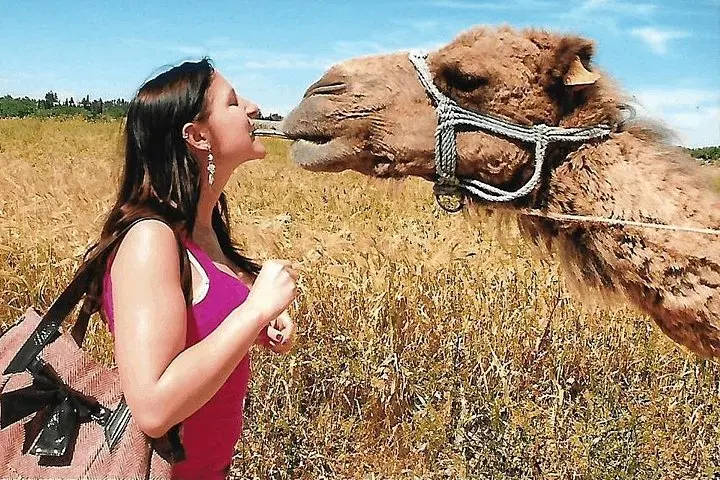
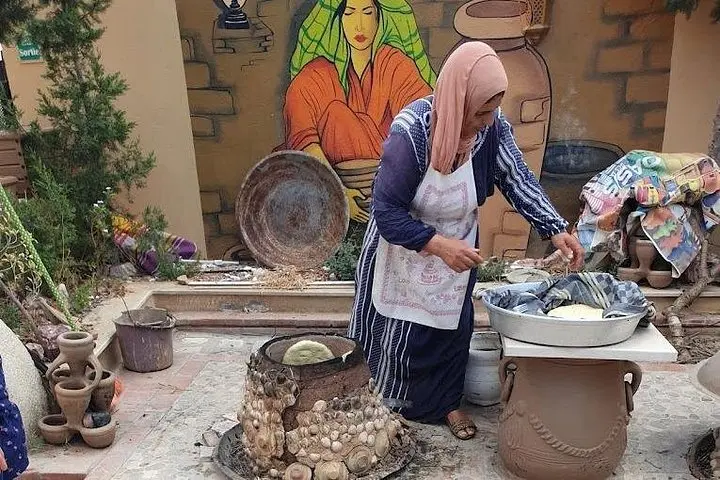
Step into a recreated Bedouin compound near Mahdia for camel rides, traditional music, and fresh tabouna bread. This two-hour cultural experience pairs hands-on demonstrations with local crafts and tastings.
Step into a recreated Bedouin compound near Mahdia for camel rides, traditional music, and fresh tabouna bread. This two-hour cultural experience pairs hands-on demonstrations with local crafts and tastings.
The sun drops low over the coastal plain as you approach the low, scrubby dunes outside Mahdia—sand pressing at the rims of a tidy Bedouin-style compound where curved tents and woven rugs frame the evening.
Verified experiences and guided adventures in the surrounding area.
Operated by Tunisia Outdoors · Mahdia, Mahdia
The sun drops low over the coastal plain as you approach the low, scrubby dunes outside Mahdia—sand pressing at the rims of a tidy Bedouin-style compound where curved tents and woven rugs frame the evening.
Guests arrive to live folkloric music; drums and oud set a deliberate pace while guides introduce the traditions you'll meet: camel and horse handling passed down through local families, simple open-fire cooking, and stalls selling olive oil and handcrafted textiles. The village recreates nomadic routines with tangible artifacts—tabouna bread pulled from a clay oven, coarsely milled olive oil, and tight-lipped pottery that speaks to centuries of Mediterranean trade.
Geology here is straightforward: coastal sands backed by Miocene limestone hills that shape light and wind. Culturally, Mahdia sits on a long trade route and Ottoman-era fishing history, which shows in recipes and craft motifs on display.
Practical guidance: the standard tour lasts about two hours, with short, supervised camel or horse rides and a seated food tasting. Expect uneven sand and short walks between tents; footwear that keeps sand out is helpful. Bring cash for small purchases, a hat and SPF—the coastal sun is persistent—and a light scarf for dust. Photography is welcomed but ask before photographing people.
For timing, late afternoon visits capture cooler temperatures and better light; mid-summer midday can be hot. The experience is family-friendly and low-impact when visitors follow local guidance—leave no trace and support locally made products if you can.
The experience runs about two hours and typically includes a short ride, live music, and a food tasting.
Yes—families are welcome; infants must sit on an adult’s lap and rides are supervised.
Private transportation, guided activities (camel/horse rides), snacks/refreshments, and access to craft stalls are included—confirm details at booking.
The village reports wheelchair accessibility for some areas, but sand and uneven surfaces can limit access to all activities—check with the operator ahead of arrival.
Tunisia Outdoors operates guided outdoor trips and adventures with an emphasis on safety, stewardship, and memorable experiences.
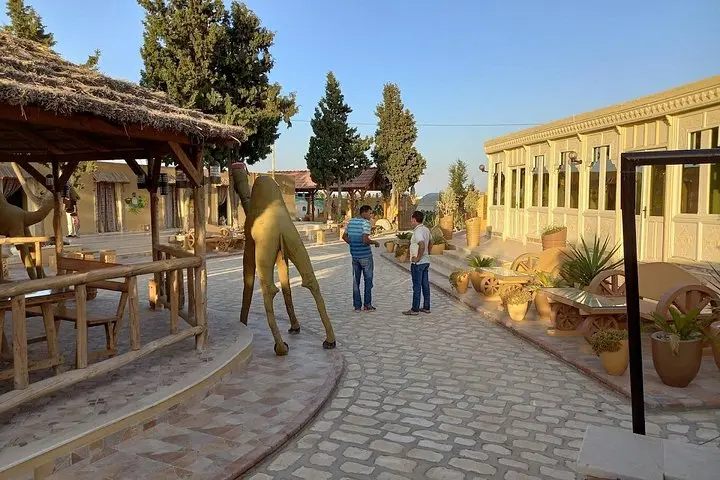
The sun drops low over the coastal plain as you approach the low, scrubby dunes outside Mahdia—sand pressing at the rims of a tidy Bedouin-style compound where curved tents and woven rugs frame the evening.
The sun drops low over the coastal plain as you approach the low, scrubby dunes outside Mahdia—sand pressing at the rims of a tidy Bedouin-style compound where curved tents and woven rugs frame the evening.
Guests arrive to live folkloric music; drums and oud set a deliberate pace while guides introduce the traditions you'll meet: camel and horse handling passed down through local families, simple open-fire cooking, and stalls selling olive oil and handcrafted textiles. The village recreates nomadic routines with tangible artifacts—tabouna bread pulled from a clay oven, coarsely milled olive oil, and tight-lipped pottery that speaks to centuries of Mediterranean trade.
Geology here is straightforward: coastal sands backed by Miocene limestone hills that shape light and wind. Culturally, Mahdia sits on a long trade route and Ottoman-era fishing history, which shows in recipes and craft motifs on display.
Practical guidance: the standard tour lasts about two hours, with short, supervised camel or horse rides and a seated food tasting. Expect uneven sand and short walks between tents; footwear that keeps sand out is helpful. Bring cash for small purchases, a hat and SPF—the coastal sun is persistent—and a light scarf for dust. Photography is welcomed but ask before photographing people.
For timing, late afternoon visits capture cooler temperatures and better light; mid-summer midday can be hot. The experience is family-friendly and low-impact when visitors follow local guidance—leave no trace and support locally made products if you can.