THE ADVENTURE COLLECTIVE® · Independent discovery and booking for outdoor travel

Spend two hours on a working Lake Garda farm learning about hive biology and tasting three local honeys with cheeses and house preserves. This easy, accessible tour pairs short, interpretive walking with a seated tasting that highlights regional flavors and pollinator conservation.
Spend two hours on a working Lake Garda farm learning about hive biology and tasting three local honeys with cheeses and house preserves. This easy, accessible tour pairs short, interpretive walking with a seated tasting that highlights regional flavors and pollinator conservation.
Early light spills across a patchwork of vegetable beds and olive trees as participants gather at a low-slung farmhouse outside Lazise. The air is warm with hay and the faint metallic-sweet tang of nectar; bees move with deliberate industry, and the guide opens a hive so you can see comb, larvae and the slow choreography of worker bees.
Verified experiences and guided adventures in the surrounding area.
Operated by CittàDiLazise.it · Lazise, Veneto
Early light spills across a patchwork of vegetable beds and olive trees as participants gather at a low-slung farmhouse outside Lazise. The air is warm with hay and the faint metallic-sweet tang of nectar; bees move with deliberate industry, and the guide opens a hive so you can see comb, larvae and the slow choreography of worker bees.
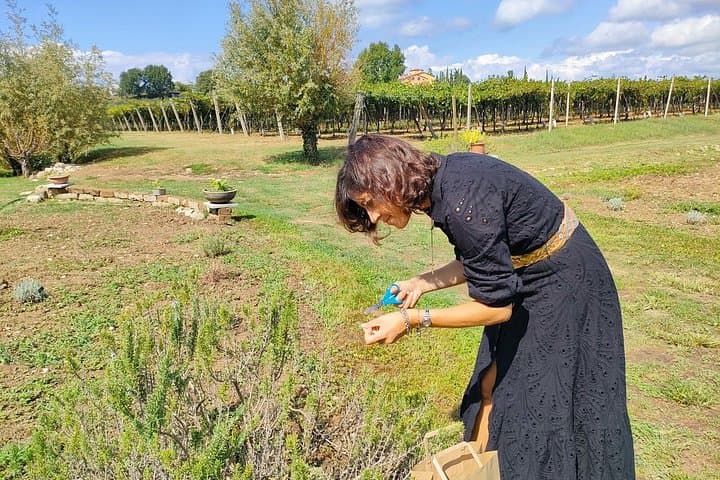
This part of Lake Garda has been farmed for centuries — vineyards, olive groves and small orchards shaped by glacial soils and the moderating influence of the lake. Beekeeping here is both practical and cultural: honey preserves local varietals, from acacia and chestnut to multifloral blends, and farms often pair tastings with house-made jams and cheeses for a tight snapshot of terroir.
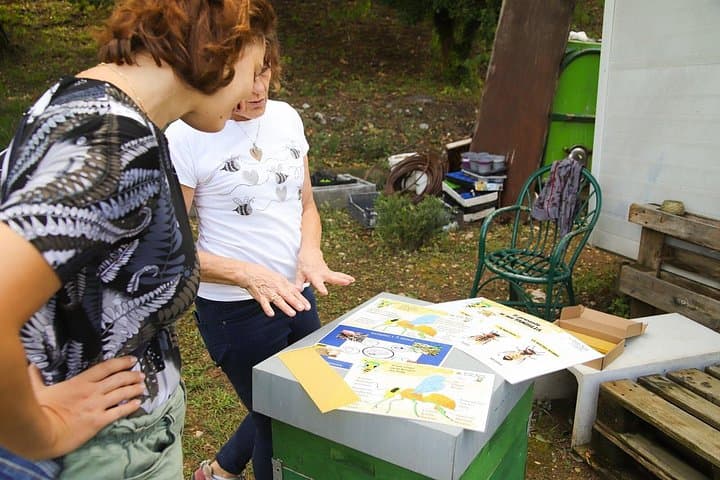
The experience blends a short interpretive walk with hands-on demonstration (viewing only unless protective gear is used) and a seated tasting: three regional honeys, local cheeses, a slice of bread with pesto or vegetable creams, and a glass of Bergamini white or house fruit juice.
Practical notes: the tour runs about two hours, is wheelchair-accessible and suitable for most fitness levels. Wear closed-toe shoes and neutral-scented clothing; those with allergies should notify the host in advance. Mid-morning or late afternoon slots are best for comfortable temperatures and active hives. Expect small-group attention (up to 15), brief explanations of hive management and honest conversation about pollinator conservation — a calm, hands-on way to connect taste with place on Lake Garda’s gentler inland edge.
Yes—children can join but must be supervised; infants are required to sit on an adult’s lap during the tasting.
For safety the host demonstrates hive frames in a controlled manner; visitors view frames rather than handling bees unless explicitly arranged with protective gear.
Yes—three honeys, cheeses and preserves are included, with a glass of local white wine or house fruit juice for non-drinkers.
Full refund if cancelled at least 24 hours before the scheduled start; the tour may be cancelled in bad weather.
CittàDiLazise.it operates guided outdoor trips and adventures with an emphasis on safety, stewardship, and memorable experiences.
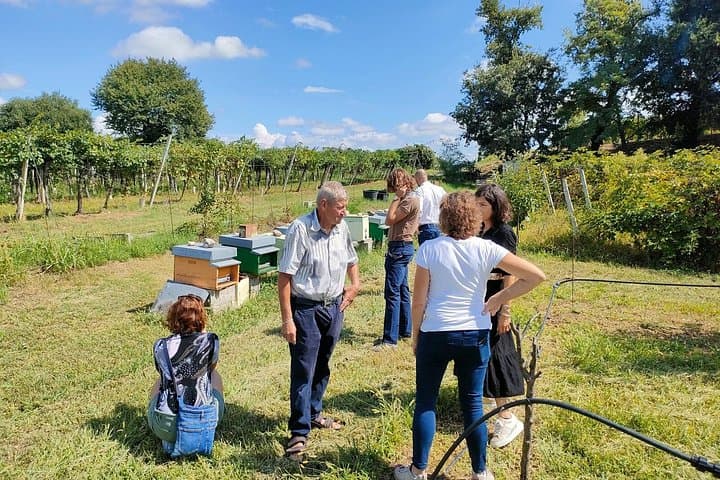
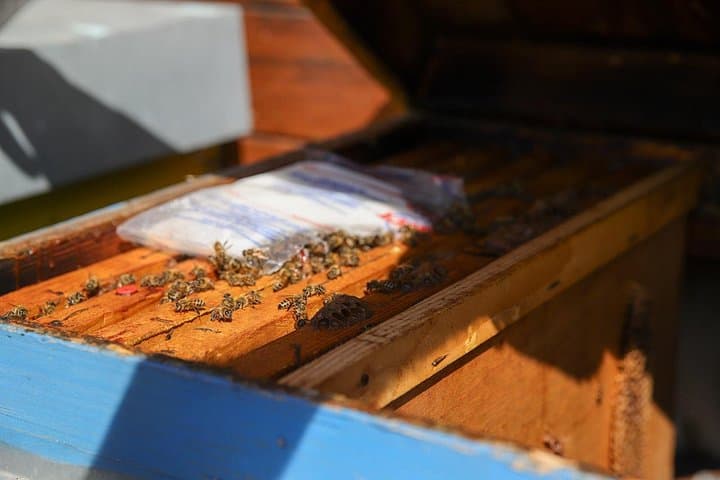
Early light spills across a patchwork of vegetable beds and olive trees as participants gather at a low-slung farmhouse outside Lazise. The air is warm with hay and the faint metallic-sweet tang of nectar; bees move with deliberate industry, and the guide opens a hive so you can see comb, larvae and the slow choreography of worker bees.
Early light spills across a patchwork of vegetable beds and olive trees as participants gather at a low-slung farmhouse outside Lazise. The air is warm with hay and the faint metallic-sweet tang of nectar; bees move with deliberate industry, and the guide opens a hive so you can see comb, larvae and the slow choreography of worker bees.
This part of Lake Garda has been farmed for centuries — vineyards, olive groves and small orchards shaped by glacial soils and the moderating influence of the lake. Beekeeping here is both practical and cultural: honey preserves local varietals, from acacia and chestnut to multifloral blends, and farms often pair tastings with house-made jams and cheeses for a tight snapshot of terroir.
The experience blends a short interpretive walk with hands-on demonstration (viewing only unless protective gear is used) and a seated tasting: three regional honeys, local cheeses, a slice of bread with pesto or vegetable creams, and a glass of Bergamini white or house fruit juice.
Practical notes: the tour runs about two hours, is wheelchair-accessible and suitable for most fitness levels. Wear closed-toe shoes and neutral-scented clothing; those with allergies should notify the host in advance. Mid-morning or late afternoon slots are best for comfortable temperatures and active hives. Expect small-group attention (up to 15), brief explanations of hive management and honest conversation about pollinator conservation — a calm, hands-on way to connect taste with place on Lake Garda’s gentler inland edge.