THE ADVENTURE COLLECTIVE® · Independent discovery and booking for outdoor travel

Learn canyoning on a green, family-friendly route at Banyuwana Canyon. This guided, beginner-focused day blends short rappels, natural slides and river hikes through volcanic rock and rainforest—ideal for first-timers wanting a safe, wet-adventure introduction.
Learn canyoning on a green, family-friendly route at Banyuwana Canyon. This guided, beginner-focused day blends short rappels, natural slides and river hikes through volcanic rock and rainforest—ideal for first-timers wanting a safe, wet-adventure introduction.
A humid breath of jungle meets cool river spray as you step into Banyuwana Canyon. The river threads between steep, dark rock and green walls that slope away into rice terraces; the water teases you, carving channels and small plunges that invite careful negotiation. On a guided beginner route the canyon reads as playful rather than punishing—short rappels, natural slides and pools that take the edge off the climb.
Verified experiences and guided adventures in the surrounding area.
A humid breath of jungle meets cool river spray as you step into Banyuwana Canyon. The river threads between steep, dark rock and green walls that slope away into rice terraces; the water teases you, carving channels and small plunges that invite careful negotiation. On a guided beginner route the canyon reads as playful rather than punishing—short rappels, natural slides and pools that take the edge off the climb.
Geology here is recent volcanic rock sculpted by seasonal monsoon flows; channels are shallow and bouldery, with sediment pockets that support ferns and low trees. The canyon sits within Bali’s cultural landscape—nearby villages practice subak irrigation, and footpaths to the valley often double as access for rice farmers. The route’s appeal is its green, sheltered character: more rainforest than exposed cliff, which makes it a better fit for families and first-timers.
Expect a mix of walking, scrambling and assisted abseils with close guidance from local guides. The day emphasizes technique and safety rather than long vertical drops—good for learning ropework, wet movement and route-reading in moving water. Plan to move deliberately: test footholds, keep a low center of gravity on wet rock, and stagger descents as instructed.
Practical tips: arrive with sturdy, closed-toe water shoes and a dry change of clothes; use a small dry bag for your phone; hydrate before the trip and follow the guide’s briefing on hand signals and line management. Morning departures usually mean lower crowds and clearer water; avoid high-rain windows when flows rise quickly. Banyuwana offers a friendly introduction to canyoning—wet, focused, and instructive without extremes.
No—this is a beginner-focused guided trip; guides teach basic rope techniques, safety and movement through water.
Expect moderate exertion: river walking, scrambling and short rappels over several hours; basic fitness and comfort with heights help.
Yes—bring a waterproof case or use a dry bag provided by some operators; guides recommend leaving non-essential electronics behind.
Many operators accept older children (often 10+); suitability depends on the child’s swimming ability and comfort with guided rope descents—check age and weight limits with the operator.
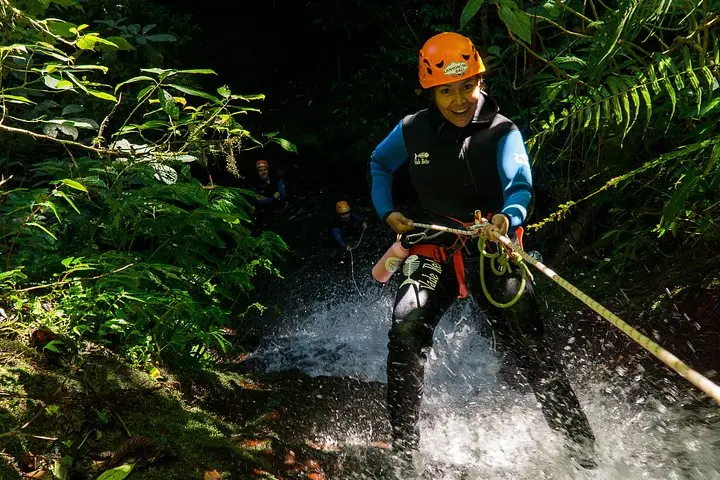
A humid breath of jungle meets cool river spray as you step into Banyuwana Canyon. The river threads between steep, dark rock and green walls that slope away into rice terraces; the water teases you, carving channels and small plunges that invite careful negotiation. On a guided beginner route the canyon reads as playful rather than punishing—short rappels, natural slides and pools that take the edge off the climb.
A humid breath of jungle meets cool river spray as you step into Banyuwana Canyon. The river threads between steep, dark rock and green walls that slope away into rice terraces; the water teases you, carving channels and small plunges that invite careful negotiation. On a guided beginner route the canyon reads as playful rather than punishing—short rappels, natural slides and pools that take the edge off the climb.
Geology here is recent volcanic rock sculpted by seasonal monsoon flows; channels are shallow and bouldery, with sediment pockets that support ferns and low trees. The canyon sits within Bali’s cultural landscape—nearby villages practice subak irrigation, and footpaths to the valley often double as access for rice farmers. The route’s appeal is its green, sheltered character: more rainforest than exposed cliff, which makes it a better fit for families and first-timers.
Expect a mix of walking, scrambling and assisted abseils with close guidance from local guides. The day emphasizes technique and safety rather than long vertical drops—good for learning ropework, wet movement and route-reading in moving water. Plan to move deliberately: test footholds, keep a low center of gravity on wet rock, and stagger descents as instructed.
Practical tips: arrive with sturdy, closed-toe water shoes and a dry change of clothes; use a small dry bag for your phone; hydrate before the trip and follow the guide’s briefing on hand signals and line management. Morning departures usually mean lower crowds and clearer water; avoid high-rain windows when flows rise quickly. Banyuwana offers a friendly introduction to canyoning—wet, focused, and instructive without extremes.