THE ADVENTURE COLLECTIVE® · Independent discovery and booking for outdoor travel

Try freediving off Malta’s Balluta Bay for a first taste of breath-hold diving—guided morning lessons, shallow-water drills, and guided swims to sites like Blue Grotto or Anchor Bay. Learn basics, see wrecks and marine life, and return with practical skills for future dives.
Try freediving off Malta’s Balluta Bay for a first taste of breath-hold diving—guided morning lessons, shallow-water drills, and guided swims to sites like Blue Grotto or Anchor Bay. Learn basics, see wrecks and marine life, and return with practical skills for future dives.
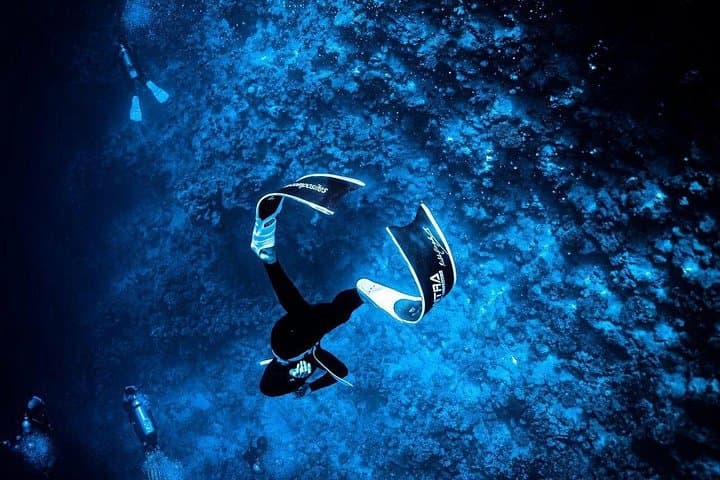
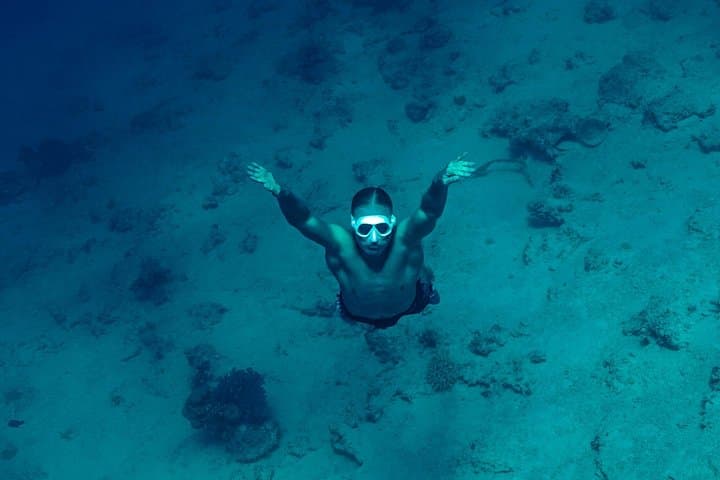
Morning in Balluta Bay feels like a held breath—the town yawns awake, waves fuss at the seawall, and the dive center’s compact racks of fins promise something other than a sunbathing day. You meet your instructor, run through relaxed breathing and equalization on the promenade, then head for open water: a coastline of limestone bluffs, hidden caverns and wreck-speckled bottoms.
Verified experiences and guided adventures in the surrounding area.
Operated by Free Diving Malta Island · St. Julian's, Malta
Morning in Balluta Bay feels like a held breath—the town yawns awake, waves fuss at the seawall, and the dive center’s compact racks of fins promise something other than a sunbathing day. You meet your instructor, run through relaxed breathing and equalization on the promenade, then head for open water: a coastline of limestone bluffs, hidden caverns and wreck-speckled bottoms.
Malta’s seas are a palimpsest of history. Phoenician and Roman traders once threaded these channels; later, WWII convoys and accidental wrecks created new underwater landmarks now colonized by gorgonians and groupers. Geologically the islands are Jurassic limestone—steep drop-offs, scalloped cliffs and caves carved by millennia of wave action. Culturally, the Maltese appetite for the sea is plain: local fishermen still mend nets while modern dive operators guide breath-hold students past ancient stone to modern marine life.
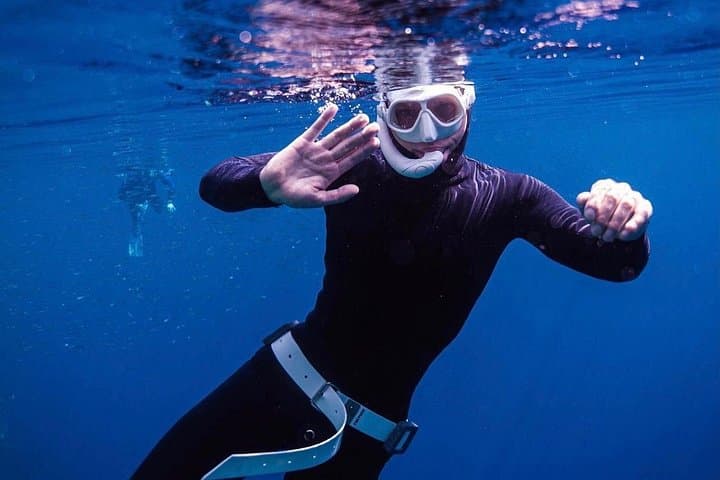
Practical guidance comes after the first breath—freediving is technique, not brute strength. Expect a morning classroom on breathing, relaxation and safety, followed by shallow-water drills and guided dives at sheltered sites (Blue Grotto, Anchor Bay or Cirkewwa depending on conditions). Sessions are paced for beginners and include equipment, light snacks and surface support. Bring a fitted mask, soft fins and a thin wetsuit in shoulder seasons; sunscreen and a water bottle are non-negotiable. Listen to your body: equalize early, avoid forceful valsalva, and always buddy with your instructor.
By late afternoon you’ll surface with a quieter head, an understanding of how pressure reshapes perception, and a list of coves you want to return to with a longer dive plan.
No prior freediving certification is required—basic swimming ability and comfort in shallow open water are sufficient; instructors tailor the pace to beginners.
It's generally safe for healthy people, but not recommended for pregnant travelers or those with cardiovascular or certain respiratory conditions—disclose health issues when booking.
Operators choose sheltered, beginner-friendly sites such as Balluta Bay, Anchor Bay, Blue Grotto or Cirkewwa depending on sea conditions and experience levels.
Yes—freediving equipment and light snacks are included per the tour details; bring personal items like a mask if you prefer your own gear.
Free Diving Malta Island operates guided outdoor trips and adventures with an emphasis on safety, stewardship, and memorable experiences.

Morning in Balluta Bay feels like a held breath—the town yawns awake, waves fuss at the seawall, and the dive center’s compact racks of fins promise something other than a sunbathing day. You meet your instructor, run through relaxed breathing and equalization on the promenade, then head for open water: a coastline of limestone bluffs, hidden caverns and wreck-speckled bottoms.
Morning in Balluta Bay feels like a held breath—the town yawns awake, waves fuss at the seawall, and the dive center’s compact racks of fins promise something other than a sunbathing day. You meet your instructor, run through relaxed breathing and equalization on the promenade, then head for open water: a coastline of limestone bluffs, hidden caverns and wreck-speckled bottoms.
Malta’s seas are a palimpsest of history. Phoenician and Roman traders once threaded these channels; later, WWII convoys and accidental wrecks created new underwater landmarks now colonized by gorgonians and groupers. Geologically the islands are Jurassic limestone—steep drop-offs, scalloped cliffs and caves carved by millennia of wave action. Culturally, the Maltese appetite for the sea is plain: local fishermen still mend nets while modern dive operators guide breath-hold students past ancient stone to modern marine life.
Practical guidance comes after the first breath—freediving is technique, not brute strength. Expect a morning classroom on breathing, relaxation and safety, followed by shallow-water drills and guided dives at sheltered sites (Blue Grotto, Anchor Bay or Cirkewwa depending on conditions). Sessions are paced for beginners and include equipment, light snacks and surface support. Bring a fitted mask, soft fins and a thin wetsuit in shoulder seasons; sunscreen and a water bottle are non-negotiable. Listen to your body: equalize early, avoid forceful valsalva, and always buddy with your instructor.
By late afternoon you’ll surface with a quieter head, an understanding of how pressure reshapes perception, and a list of coves you want to return to with a longer dive plan.