THE ADVENTURE COLLECTIVE® · Independent discovery and booking for outdoor travel

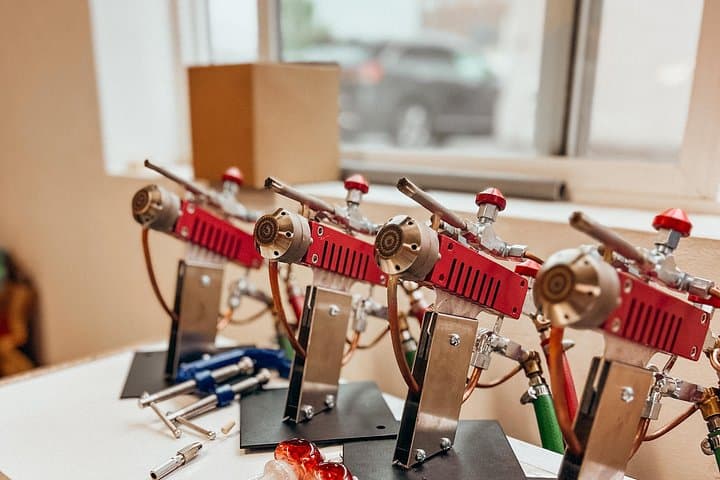
Step up to a tabletop torch and shape molten borosilicate into simple glass pieces in a focused 2.5–3 hour workshop in Portland. Learn safety, basic forming, and leave with 2–3 kiln-fired items you can pick up after firing.
Step up to a tabletop torch and shape molten borosilicate into simple glass pieces in a focused 2.5–3 hour workshop in Portland. Learn safety, basic forming, and leave with 2–3 kiln-fired items you can pick up after firing.
Torchlight stirs the studio like a small sun — heat humming, tools clinking, and a ribbon of molten borosilicate bending under your breath. In a compact Portland workspace you step up to a table-mounted torch, guided by an instructor through the tactile choreography of shaping glass into a marble, pendant, or small blown ornament.
Verified experiences and guided adventures in the surrounding area.
Operated by Chadly Glass Studio · Portland, Oregon
Torchlight stirs the studio like a small sun — heat humming, tools clinking, and a ribbon of molten borosilicate bending under your breath. In a compact Portland workspace you step up to a table-mounted torch, guided by an instructor through the tactile choreography of shaping glass into a marble, pendant, or small blown ornament.
Borosilicate flameworking arrived as a practical offshoot of traditional glassblowing: it uses a tabletop torch rather than a furnace, producing durable pieces with finer detail. Portland’s creative culture and proximity to influential glass artists have made it a welcoming place to try the craft. Expect a mix of hands-on time and demonstration; safety protocols and kiln-firing are part of the rhythm.
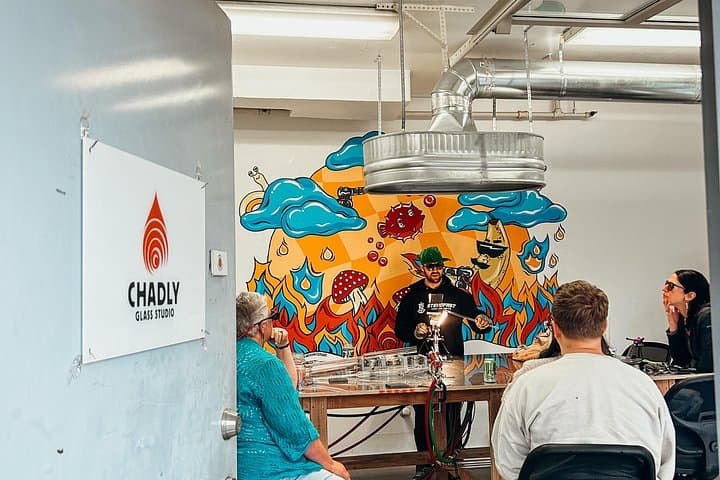
The lesson runs about 2.5–3 hours and covers basic safety, torch control, and forming techniques. Students typically make 2–3 pieces; finished work requires at least four hours in a kiln and is usually available for pick-up the next day. The space is accessible by public transit, and classes accept small groups (up to six in shared sessions).
Practical guidance: wear natural-fiber clothing and closed-toe shoes to protect from heat and glass shards; long hair should be tied back. Bring a small bottle of water — the studio provides bottled water and all safety gear. Timing matters: book a morning slot if you want same-day errands afterward, or an afternoon to avoid rush-hour transit.
This workshop is ideal for first-timers curious about material, process, and making a personal, functional keepsake under close supervision.
Yes — students keep their pieces; note that finished work must be kiln-fired and is typically ready for pick-up the next day.
Age policies vary by studio and class; many beginner sessions accept teenagers with parental consent — check the specific listing before booking.
No prior experience is needed; the class is designed for beginners and includes safety instruction and guided hands-on time.
The operator’s policy allows full refund if you cancel at least 24 hours beforehand; check booking terms for last-minute changes.
Chadly Glass Studio operates guided outdoor trips and adventures with an emphasis on safety, stewardship, and memorable experiences.
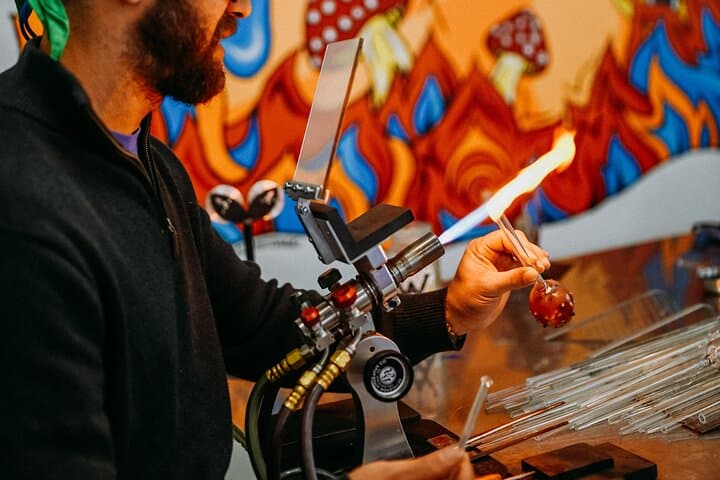

Torchlight stirs the studio like a small sun — heat humming, tools clinking, and a ribbon of molten borosilicate bending under your breath. In a compact Portland workspace you step up to a table-mounted torch, guided by an instructor through the tactile choreography of shaping glass into a marble, pendant, or small blown ornament.
Torchlight stirs the studio like a small sun — heat humming, tools clinking, and a ribbon of molten borosilicate bending under your breath. In a compact Portland workspace you step up to a table-mounted torch, guided by an instructor through the tactile choreography of shaping glass into a marble, pendant, or small blown ornament.
Borosilicate flameworking arrived as a practical offshoot of traditional glassblowing: it uses a tabletop torch rather than a furnace, producing durable pieces with finer detail. Portland’s creative culture and proximity to influential glass artists have made it a welcoming place to try the craft. Expect a mix of hands-on time and demonstration; safety protocols and kiln-firing are part of the rhythm.
The lesson runs about 2.5–3 hours and covers basic safety, torch control, and forming techniques. Students typically make 2–3 pieces; finished work requires at least four hours in a kiln and is usually available for pick-up the next day. The space is accessible by public transit, and classes accept small groups (up to six in shared sessions).
Practical guidance: wear natural-fiber clothing and closed-toe shoes to protect from heat and glass shards; long hair should be tied back. Bring a small bottle of water — the studio provides bottled water and all safety gear. Timing matters: book a morning slot if you want same-day errands afterward, or an afternoon to avoid rush-hour transit.
This workshop is ideal for first-timers curious about material, process, and making a personal, functional keepsake under close supervision.