THE ADVENTURE COLLECTIVE® · Independent discovery and booking for outdoor travel

Wear a yukata and learn measured kabuki-style movements in a small Tokyo studio minutes from Asakusa. This one-hour beginner class teaches fan technique, etiquette and a simple dance sequence that brings Edo-era theater to life.
Wear a yukata and learn measured kabuki-style movements in a small Tokyo studio minutes from Asakusa. This one-hour beginner class teaches fan technique, etiquette and a simple dance sequence that brings Edo-era theater to life.
You step off the Tobu Skytree Line at Higashi-Mukojima and the city exhales into quieter streets where paper lanterns and the distant silhouette of Tokyo Skytree frame your walk to the practice hall.
Verified experiences and guided adventures in the surrounding area.
Operated by Shuminavi Inc. · Tokyo, Tokyo
You step off the Tobu Skytree Line at Higashi-Mukojima and the city exhales into quieter streets where paper lanterns and the distant silhouette of Tokyo Skytree frame your walk to the practice hall.
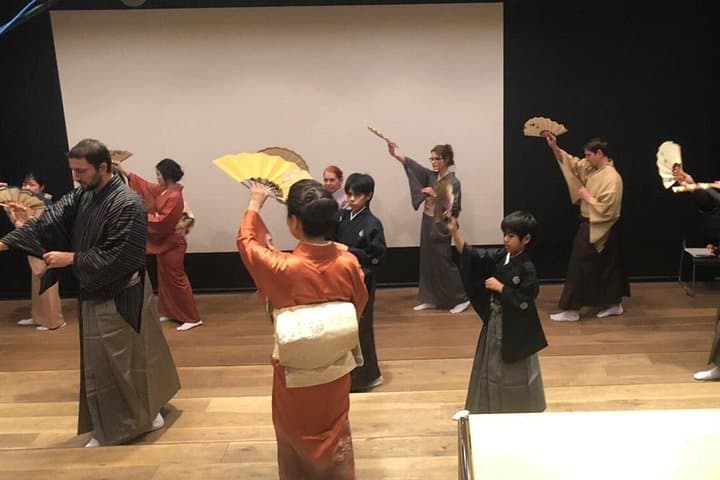
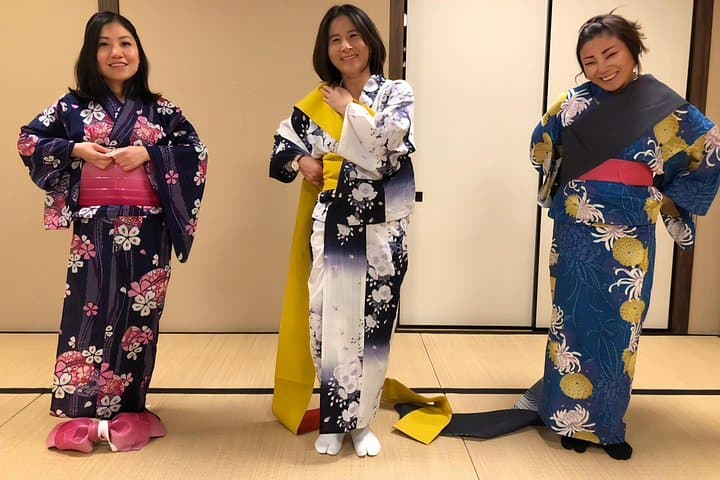
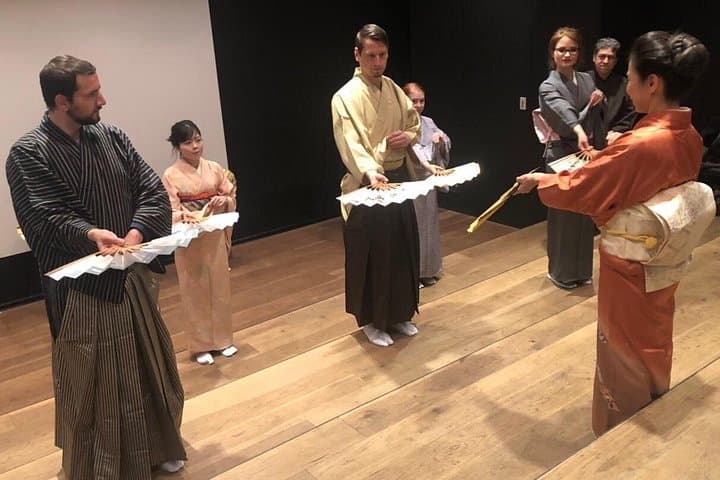
Inside a modest studio you change into a yukata and obi, the fabric folding around you as the instructor explains posture and courtly manners. The lesson focuses on foundational kabuki-derived movements — measured footwork, controlled hand gestures and the basic fan work that punctuates many traditional pieces. The instructor demonstrates a short sequence, then guides you slowly through the same steps until the rhythm settles in your body.
Kabuki dance has roots in Edo-period theatre, where stylized motion and precise etiquette communicated story and emotion. In this corner of Sumida and Mukojima, you feel Tokyo’s layered past: river commerce, neighborhood shrines and garden plots that once served residents of old Edo.
Practical guidance: the class runs about an hour, with roughly 40 minutes of hands-on instruction; yukata, tabi and fans are provided. Wear lightweight layers beneath the costume, and bring a smartphone for a commemorative photo. Public transit is the easiest arrival method — Higashi-Mukojima Station is three stops from Asakusa on the Tobu Skytree Line.
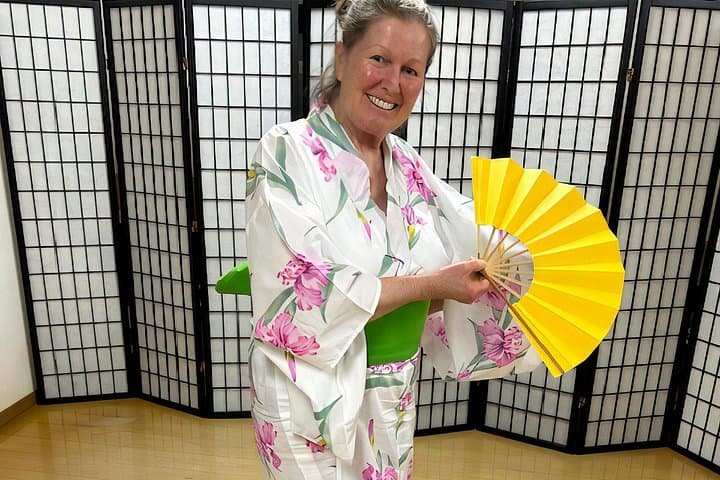
This experience is cultural, low-impact and accessible to beginners. Expect to leave with a better sense of traditional Japanese movement, a few practiced steps you can repeat, and a photograph in a classic summer robe that ties present-day Tokyo to its theatrical past.
No — the class is designed for beginners and focuses on basic movements with step-by-step instruction.
Yes — yukata, obi and tabi socks are supplied for the lesson; wear light clothing underneath for comfort.
Many beginner classes in this area offer English guidance or bilingual instructors; check the booking page for language details or request help when you book.
Yes — the session includes time for a commemorative photo using your smartphone; please follow the instructor’s direction about poses and timing.
Shuminavi Inc. operates guided outdoor trips and adventures with an emphasis on safety, stewardship, and memorable experiences.
You step off the Tobu Skytree Line at Higashi-Mukojima and the city exhales into quieter streets where paper lanterns and the distant silhouette of Tokyo Skytree frame your walk to the practice hall.
You step off the Tobu Skytree Line at Higashi-Mukojima and the city exhales into quieter streets where paper lanterns and the distant silhouette of Tokyo Skytree frame your walk to the practice hall.
Inside a modest studio you change into a yukata and obi, the fabric folding around you as the instructor explains posture and courtly manners. The lesson focuses on foundational kabuki-derived movements — measured footwork, controlled hand gestures and the basic fan work that punctuates many traditional pieces. The instructor demonstrates a short sequence, then guides you slowly through the same steps until the rhythm settles in your body.
Kabuki dance has roots in Edo-period theatre, where stylized motion and precise etiquette communicated story and emotion. In this corner of Sumida and Mukojima, you feel Tokyo’s layered past: river commerce, neighborhood shrines and garden plots that once served residents of old Edo.
Practical guidance: the class runs about an hour, with roughly 40 minutes of hands-on instruction; yukata, tabi and fans are provided. Wear lightweight layers beneath the costume, and bring a smartphone for a commemorative photo. Public transit is the easiest arrival method — Higashi-Mukojima Station is three stops from Asakusa on the Tobu Skytree Line.
This experience is cultural, low-impact and accessible to beginners. Expect to leave with a better sense of traditional Japanese movement, a few practiced steps you can repeat, and a photograph in a classic summer robe that ties present-day Tokyo to its theatrical past.