THE ADVENTURE COLLECTIVE® · Independent discovery and booking for outdoor travel

Learn ski touring basics across the Julian Alps and nearby ranges with a two-day, guide-led course focused on avalanche safety and practical ascent/descent technique. Ideal for skiers ready to move beyond groomed runs and into quiet, managed backcountry terrain.
Learn ski touring basics across the Julian Alps and nearby ranges with a two-day, guide-led course focused on avalanche safety and practical ascent/descent technique. Ideal for skiers ready to move beyond groomed runs and into quiet, managed backcountry terrain.
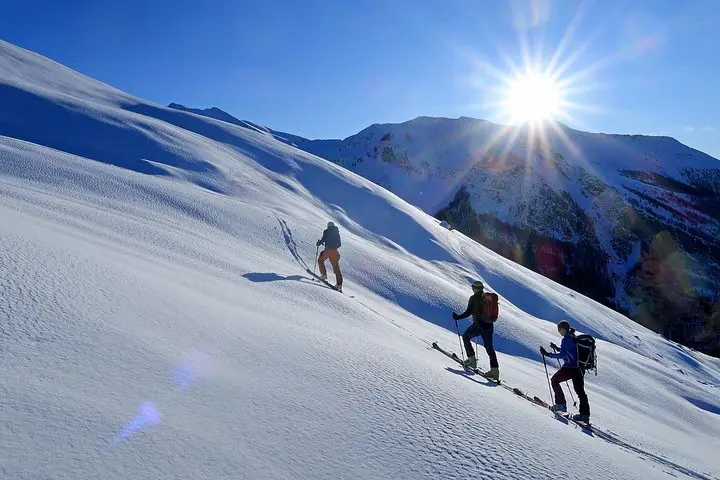
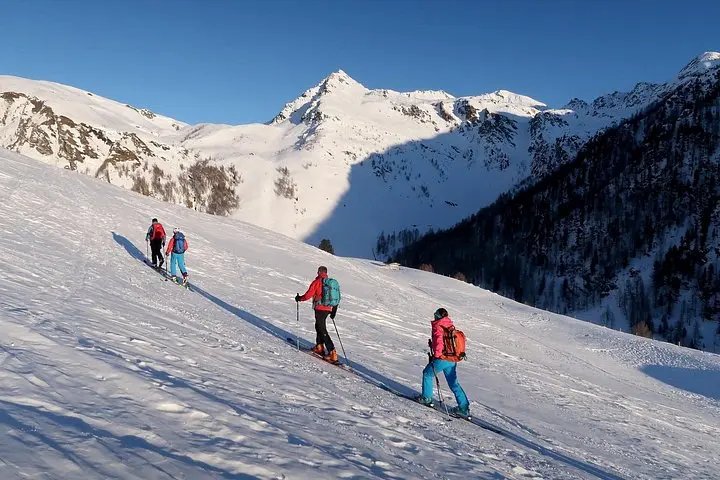
You push through a pocket of pines, skis whispering on fresh snow, and the valley opens to a wide white slope that seems to dare you to keep climbing. The air is thin and clear, and the mountains—Julian, Karawanks, Kamnik–Savinja—stand like geological pages folded and refolded over millions of years.
Verified experiences and guided adventures in the surrounding area.
Operated by Kofler sport-sport agency · Mojstrana, Upper Carniola
You push through a pocket of pines, skis whispering on fresh snow, and the valley opens to a wide white slope that seems to dare you to keep climbing. The air is thin and clear, and the mountains—Julian, Karawanks, Kamnik–Savinja—stand like geological pages folded and refolded over millions of years.
This two-day beginner ski touring course bases itself near Mojstrana and moves through remote slopes in the Julian Alps and neighboring ranges, with occasional forays into Astental and Maltaberg in Austria. The area’s limestone ridges and glacially-carved valleys shape the routes you’ll learn on; local mountaineering culture is strong, with Triglav long a national symbol and a history of alpine guiding that dates to the 19th century.
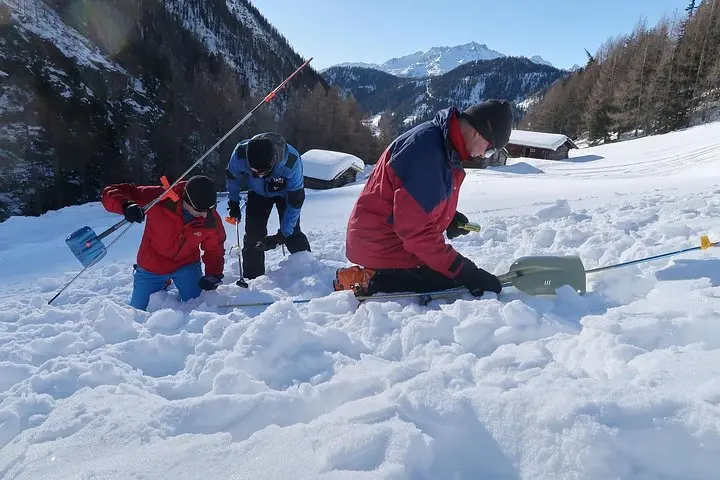
Guides teach safe mountain movement, route choice, ascent and kick-turn technique, and practical avalanche skills—beacon searches, probing and companion rescue—using real, scenario-based drills. Expect steady climbs of roughly 600–1,200 m per outing depending on conditions, mixed terrain from open bowls to steep, wind-scoured slopes, and small groups for focused instruction.
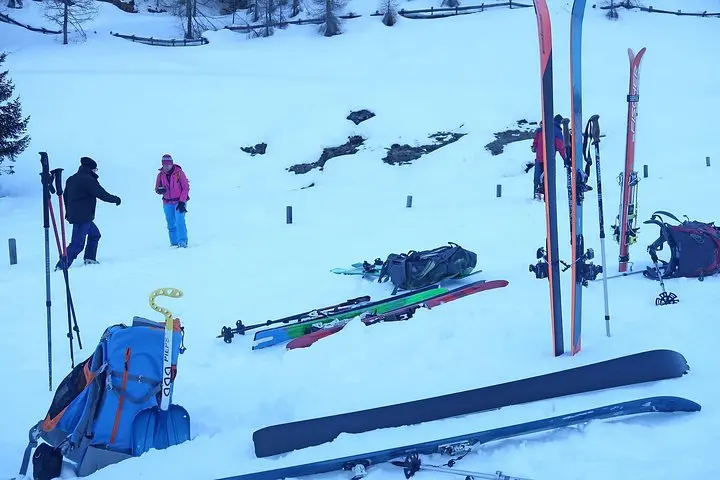
Practically: come prepared for cold, variable weather, and a moderate fitness demand; organizers supply avalanche safety kits and offer ski-touring rentals if needed. Plan logistics around daylight and weather—snowpack stability governs every decision here. With hands-on training and time in uncrowded alpine bowls, beginners leave with usable skills to plan and execute simple backcountry tours responsibly.
No — the course is designed for beginners with competent downhill skiing; guides teach backcountry-specific skills from the ground up.
Yes — avalanche transceiver, probe and shovel are supplied as part of the course, with rental gear available for ski touring equipment.
The operator will cancel in unsafe conditions (poor visibility or unstable snow); check the cancellation policy for refunds and rescheduling rules.
Groups are intentionally small (typically up to seven participants) to ensure hands-on instruction and safe decision-making.
Kofler sport-sport agency operates guided outdoor trips and adventures with an emphasis on safety, stewardship, and memorable experiences.
You push through a pocket of pines, skis whispering on fresh snow, and the valley opens to a wide white slope that seems to dare you to keep climbing. The air is thin and clear, and the mountains—Julian, Karawanks, Kamnik–Savinja—stand like geological pages folded and refolded over millions of years.
You push through a pocket of pines, skis whispering on fresh snow, and the valley opens to a wide white slope that seems to dare you to keep climbing. The air is thin and clear, and the mountains—Julian, Karawanks, Kamnik–Savinja—stand like geological pages folded and refolded over millions of years.
This two-day beginner ski touring course bases itself near Mojstrana and moves through remote slopes in the Julian Alps and neighboring ranges, with occasional forays into Astental and Maltaberg in Austria. The area’s limestone ridges and glacially-carved valleys shape the routes you’ll learn on; local mountaineering culture is strong, with Triglav long a national symbol and a history of alpine guiding that dates to the 19th century.
Guides teach safe mountain movement, route choice, ascent and kick-turn technique, and practical avalanche skills—beacon searches, probing and companion rescue—using real, scenario-based drills. Expect steady climbs of roughly 600–1,200 m per outing depending on conditions, mixed terrain from open bowls to steep, wind-scoured slopes, and small groups for focused instruction.
Practically: come prepared for cold, variable weather, and a moderate fitness demand; organizers supply avalanche safety kits and offer ski-touring rentals if needed. Plan logistics around daylight and weather—snowpack stability governs every decision here. With hands-on training and time in uncrowded alpine bowls, beginners leave with usable skills to plan and execute simple backcountry tours responsibly.