THE ADVENTURE COLLECTIVE® · Independent discovery and booking for outdoor travel

Learn to identify and responsibly harvest wild edibles, then turn your finds into a simple bushcraft lunch. This 3.5-hour course blends plant ID, ethics and hands-on cookery for beginners in Northern Ireland.
Learn to identify and responsibly harvest wild edibles, then turn your finds into a simple bushcraft lunch. This 3.5-hour course blends plant ID, ethics and hands-on cookery for beginners in Northern Ireland.
A damp morning air carries the sharp green of crushed leaves as the group gathers at a small car park outside a managed woodland near Belfast. Stems and hedgerows lean like characters in a story; fungi crowd the leaf litter and the trees seem to watch, obliging you to slow down. The guide starts with a simple rule: look, smell, and confirm—nature will give you clues, but respect is required.
Verified experiences and guided adventures in the surrounding area.
Operated by BallyBurren Outdoor Escapes · Belfast, Northern Ireland
A damp morning air carries the sharp green of crushed leaves as the group gathers at a small car park outside a managed woodland near Belfast. Stems and hedgerows lean like characters in a story; fungi crowd the leaf litter and the trees seem to watch, obliging you to slow down. The guide starts with a simple rule: look, smell, and confirm—nature will give you clues, but respect is required.
Foraging in these islands has practical roots: centuries of hedgerow gleaning, seasonal harvests and an oral tradition of plant lore. In Northern Ireland, geology—glacial tills and acid soils—favours a mix of woodland mushrooms, nettles and wild garlic. The course pairs identification with ethics: leaving seed and avoiding protected species, harvesting in ways that let the landscape replenish.
Practical learning moves fast. Expect a 90-minute walk to identify key edible plants and fungi, followed by a small-group bushcraft cook-up using foraged herbs and greens. Tasting is part of the field test—textures and flavours teach as effectively as words.
Plan for variable ground underfoot and sharp weather shifts; waterproof layers and sturdy boots are non-negotiable. Bring any meds for allergies and be ready to walk 2–4 kilometres at an easy-to-brisk pace. The day ends with a shared lunch and a copy of Richard Mabey's Food for Free to take home—practical reading to keep the practice sustainable.
This course suits curious beginners who want hands-on skills, a grounded introduction to wild food, and a clear ethic of conservation.
No — the course is designed for beginners and covers basic plant and fungus ID, safety and ethical harvesting.
Yes — a shared lunch is prepared using foraged ingredients found during the session; dietary needs should be noted when booking.
The course is aimed at adults; younger teenagers may join with parental consent but check with the operator about age restrictions.
The course runs in most weather; wear suitable waterproofs. Full refunds are available with 24 hours' cancellation as per policy.
BallyBurren Outdoor Escapes operates guided outdoor trips and adventures with an emphasis on safety, stewardship, and memorable experiences.
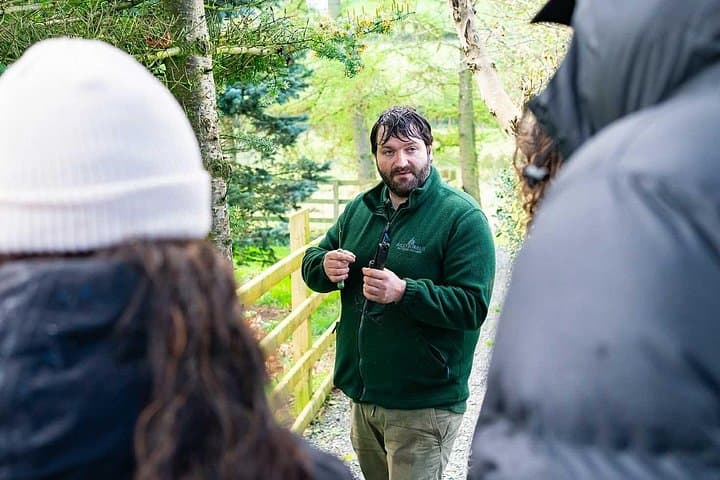

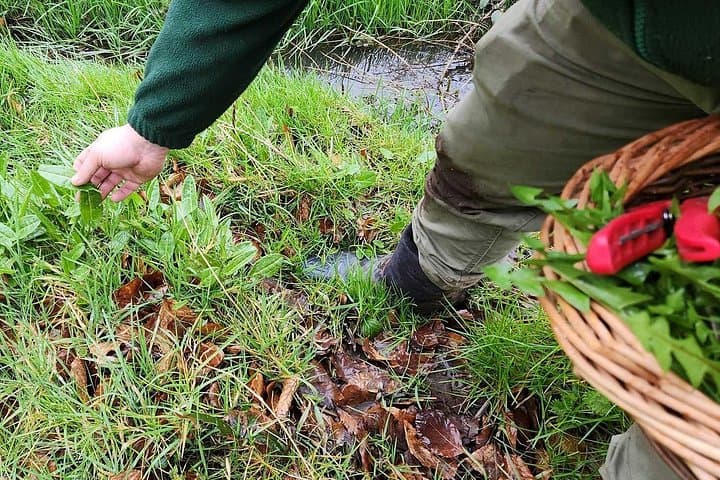
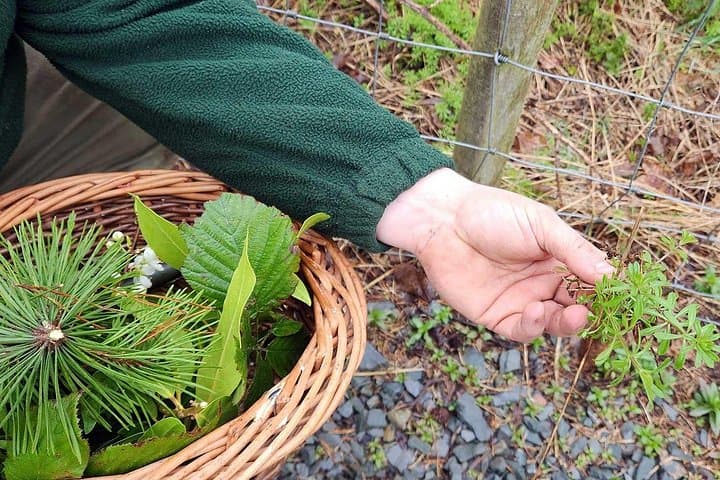
A damp morning air carries the sharp green of crushed leaves as the group gathers at a small car park outside a managed woodland near Belfast. Stems and hedgerows lean like characters in a story; fungi crowd the leaf litter and the trees seem to watch, obliging you to slow down. The guide starts with a simple rule: look, smell, and confirm—nature will give you clues, but respect is required.
A damp morning air carries the sharp green of crushed leaves as the group gathers at a small car park outside a managed woodland near Belfast. Stems and hedgerows lean like characters in a story; fungi crowd the leaf litter and the trees seem to watch, obliging you to slow down. The guide starts with a simple rule: look, smell, and confirm—nature will give you clues, but respect is required.
Foraging in these islands has practical roots: centuries of hedgerow gleaning, seasonal harvests and an oral tradition of plant lore. In Northern Ireland, geology—glacial tills and acid soils—favours a mix of woodland mushrooms, nettles and wild garlic. The course pairs identification with ethics: leaving seed and avoiding protected species, harvesting in ways that let the landscape replenish.
Practical learning moves fast. Expect a 90-minute walk to identify key edible plants and fungi, followed by a small-group bushcraft cook-up using foraged herbs and greens. Tasting is part of the field test—textures and flavours teach as effectively as words.
Plan for variable ground underfoot and sharp weather shifts; waterproof layers and sturdy boots are non-negotiable. Bring any meds for allergies and be ready to walk 2–4 kilometres at an easy-to-brisk pace. The day ends with a shared lunch and a copy of Richard Mabey's Food for Free to take home—practical reading to keep the practice sustainable.
This course suits curious beginners who want hands-on skills, a grounded introduction to wild food, and a clear ethic of conservation.