THE ADVENTURE COLLECTIVE® · Independent discovery and booking for outdoor travel

Spend a half day east of Pokhara exploring Begnas Lake by rowing boat and visiting a rural village and primary school. This private tour blends a gentle lakeside outing with meaningful cultural encounters.
Spend a half day east of Pokhara exploring Begnas Lake by rowing boat and visiting a rural village and primary school. This private tour blends a gentle lakeside outing with meaningful cultural encounters.
Morning air in the Pokhara valley has a clean, river-scented quality as your private car threads a low ridge and drops toward Begnas Lake. The water sits flat and green, reeds leaning like patient sentries; a one-hour rowing boat ride pulls you into a quieter side of the valley while the Annapurna foothills hold the horizon.
Verified experiences and guided adventures in the surrounding area.
Operated by Arpan Nepal · Pokhara, Gandaki Province
Morning air in the Pokhara valley has a clean, river-scented quality as your private car threads a low ridge and drops toward Begnas Lake. The water sits flat and green, reeds leaning like patient sentries; a one-hour rowing boat ride pulls you into a quieter side of the valley while the Annapurna foothills hold the horizon.
This route follows landscapes shaped by stream-fed basins and centuries of small-scale farming. Local Gurung and Magar families have worked rice terraces and vegetable plots here for generations; the primary school you visit serves children from scattered settlements and offers a rare, up-close view of rural Nepalese life. Geologically the area is plain to gently rolling—no steep climbs—so the day reads as cultural immersion more than an endurance test.
Expect unpaved village tracks, a short riverside walk, and a calm, manually rowed boat on Begnas (about an hour on the water). Interactions with students are informal—visit during school days if you want to meet classes—and guides often explain local customs and crop cycles.
Practical notes: plan for a 3–4 hour window, wear sturdy walking shoes for dirt tracks, and bring cash if you want to donate or buy snacks from local stalls. Mornings give the best light for photos and cooler temperatures; afternoons can be hazy. Respect classroom time, ask before photographing children, and keep plastic out of waterways. This day tour puts culture and calm on equal footing with scenery—an accessible, low-impact way to see how farming communities around Pokhara live and learn.
The tour includes about one hour of rowing on Begnas Lake—it's a leisurely, manually rowed outing rather than a motorized cruise.
Yes, visits occur on school days and allow short, supervised interactions; guides request respectful behavior and prior permission for photos.
Pickup and drop-off within Pokhara’s Lakeside area are included as part of the private transfer.
Yes—small educational items or cash are appropriate; coordinate with your guide to ensure gifts reach the school responsibly.
Arpan Nepal operates guided outdoor trips and adventures with an emphasis on safety, stewardship, and memorable experiences.
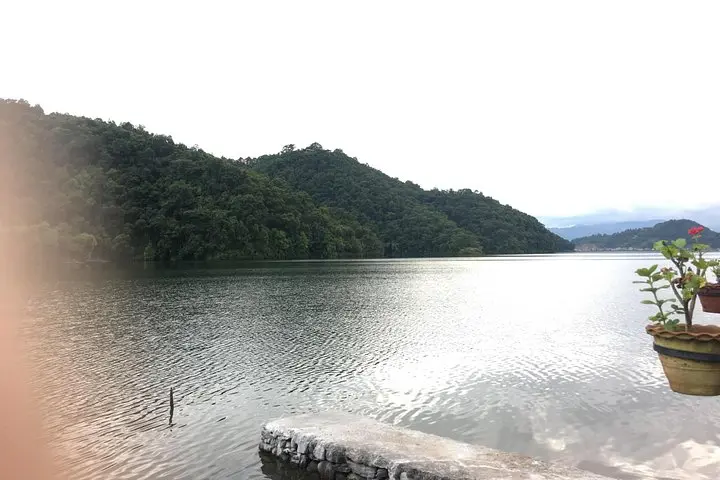
Morning air in the Pokhara valley has a clean, river-scented quality as your private car threads a low ridge and drops toward Begnas Lake. The water sits flat and green, reeds leaning like patient sentries; a one-hour rowing boat ride pulls you into a quieter side of the valley while the Annapurna foothills hold the horizon.
Morning air in the Pokhara valley has a clean, river-scented quality as your private car threads a low ridge and drops toward Begnas Lake. The water sits flat and green, reeds leaning like patient sentries; a one-hour rowing boat ride pulls you into a quieter side of the valley while the Annapurna foothills hold the horizon.
This route follows landscapes shaped by stream-fed basins and centuries of small-scale farming. Local Gurung and Magar families have worked rice terraces and vegetable plots here for generations; the primary school you visit serves children from scattered settlements and offers a rare, up-close view of rural Nepalese life. Geologically the area is plain to gently rolling—no steep climbs—so the day reads as cultural immersion more than an endurance test.
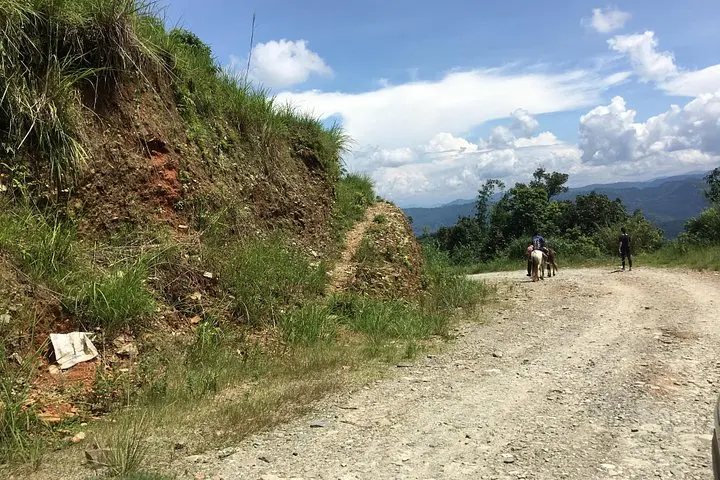
Expect unpaved village tracks, a short riverside walk, and a calm, manually rowed boat on Begnas (about an hour on the water). Interactions with students are informal—visit during school days if you want to meet classes—and guides often explain local customs and crop cycles.
Practical notes: plan for a 3–4 hour window, wear sturdy walking shoes for dirt tracks, and bring cash if you want to donate or buy snacks from local stalls. Mornings give the best light for photos and cooler temperatures; afternoons can be hazy. Respect classroom time, ask before photographing children, and keep plastic out of waterways. This day tour puts culture and calm on equal footing with scenery—an accessible, low-impact way to see how farming communities around Pokhara live and learn.