THE ADVENTURE COLLECTIVE® · Independent discovery and booking for outdoor travel

A short, easy hike around Begnas Lake leads through low forest trails to a Rupa Lake viewpoint and calm shoreline. Ideal for half-day explorers based in Pokhara, this gentle walk combines lakeside scenery, local tea houses, and approachable terrain.
A short, easy hike around Begnas Lake leads through low forest trails to a Rupa Lake viewpoint and calm shoreline. Ideal for half-day explorers based in Pokhara, this gentle walk combines lakeside scenery, local tea houses, and approachable terrain.
The morning air over Begnas Lake is cool and direct — the water lies flat like a slow promise, reed edges pressing against quiet paths. Walkers set off from a small roadside village, following gentle forest tracks that climb just enough to open a view over Rupa, a sister lake that sits like a shallow bowl below green ridgelines.
Verified experiences and guided adventures in the surrounding area.
Operated by Swami Narayan Travels Pvt Ltd · Pokhara, Gandaki Province
The morning air over Begnas Lake is cool and direct — the water lies flat like a slow promise, reed edges pressing against quiet paths. Walkers set off from a small roadside village, following gentle forest tracks that climb just enough to open a view over Rupa, a sister lake that sits like a shallow bowl below green ridgelines.
Begnas and Rupa are part of the Pokhara valley’s freshwater system, formed by local tectonics and long-term sedimentation with human settlements that have harvested fish and traded rice for generations. Geology here is simple to read: low ridges of folded Himalayan foothills, terraces carved for farming and pockets of sal forest and mixed broadleaf where trails cross. Local culture is visible in tea stalls and Buddhist shrines at hamlet corners; guides often point out small stone mani walls and the seasonal rhythms of planting.
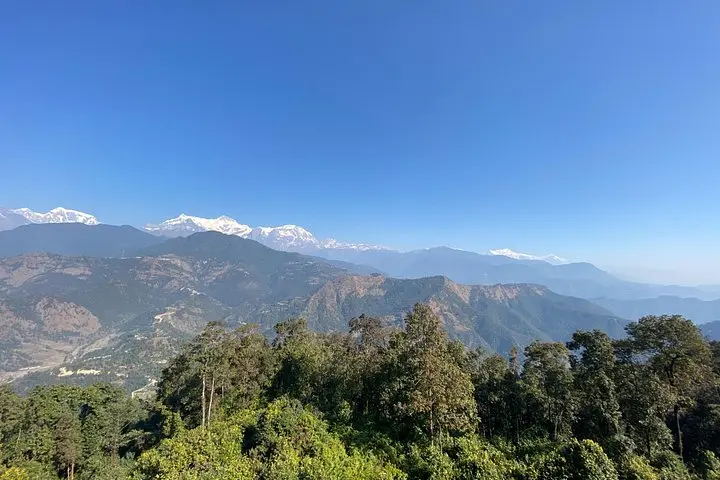
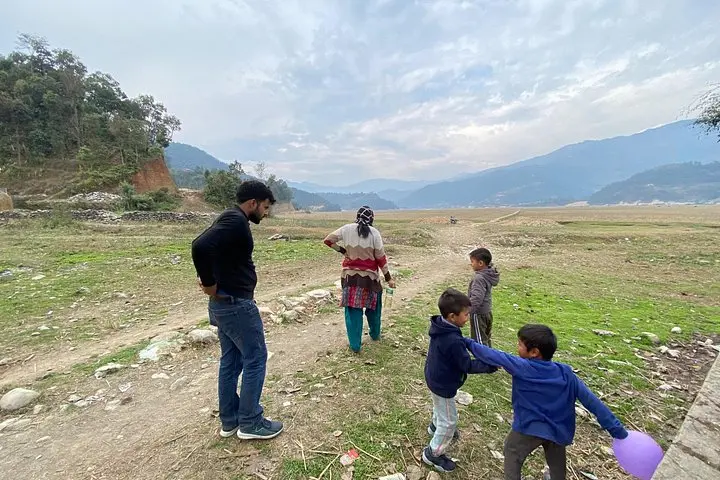
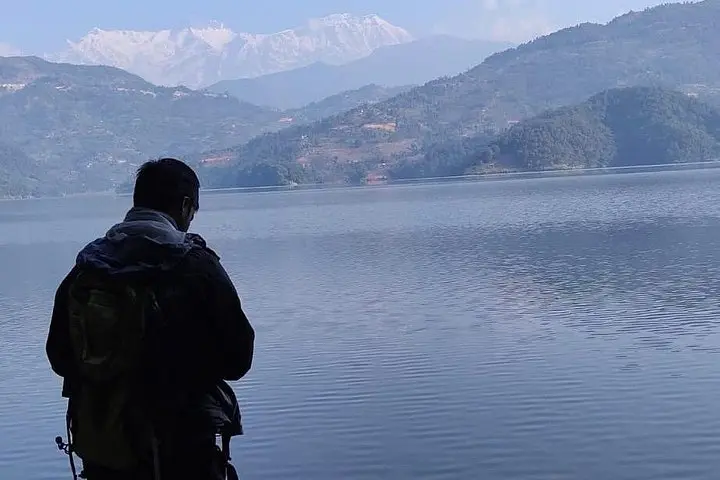
On this short tour expect 2–3 hours of low-gradient hiking on dirt and compacted paths, occasional stone steps, and a final viewpoint that rewards with open water and distant Annapurna silhouettes on clear days. The trail is family-friendly but can be slippery after rain; sun protection is essential on exposed stretches. Bring water, modest layers, and a camera for the birds that frequently patter along the shore.
Practical tips: plan early morning or late afternoon to avoid the heat and motorboat traffic, confirm pickup from Pokhara, and respect local land by staying on trails and packing out waste. The route offers a compact, approachable slice of Nepal’s lake country — a quick, scenic step away from Pokhara’s busier attractions.
The guided short trip lasts roughly 2–3 hours with easy terrain and short climbs—suitable for older children and families used to short walks.
Yes, private round-trip transfer and hotel pickup/drop-off are included in the standard tour package.
A guide isn’t strictly required for the basic lakeside path, but a local guide improves navigation, local insights, and cultural context.
Small tea houses and simple stalls exist near villages, but full restroom facilities are limited—plan accordingly.
Swami Narayan Travels Pvt Ltd operates guided outdoor trips and adventures with an emphasis on safety, stewardship, and memorable experiences.
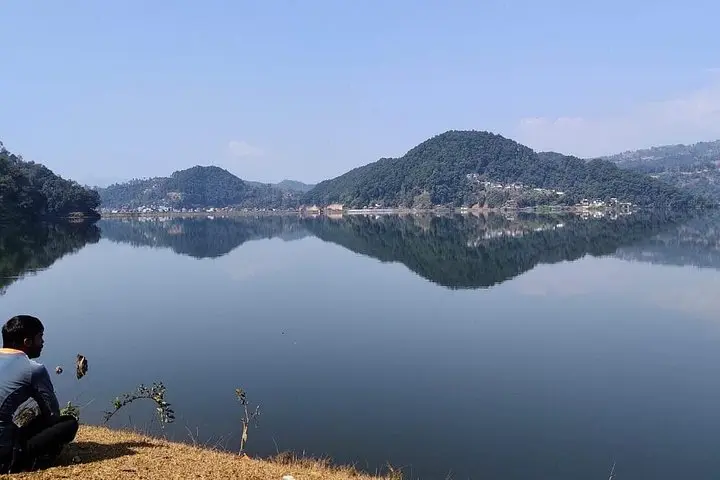
The morning air over Begnas Lake is cool and direct — the water lies flat like a slow promise, reed edges pressing against quiet paths. Walkers set off from a small roadside village, following gentle forest tracks that climb just enough to open a view over Rupa, a sister lake that sits like a shallow bowl below green ridgelines.
The morning air over Begnas Lake is cool and direct — the water lies flat like a slow promise, reed edges pressing against quiet paths. Walkers set off from a small roadside village, following gentle forest tracks that climb just enough to open a view over Rupa, a sister lake that sits like a shallow bowl below green ridgelines.
Begnas and Rupa are part of the Pokhara valley’s freshwater system, formed by local tectonics and long-term sedimentation with human settlements that have harvested fish and traded rice for generations. Geology here is simple to read: low ridges of folded Himalayan foothills, terraces carved for farming and pockets of sal forest and mixed broadleaf where trails cross. Local culture is visible in tea stalls and Buddhist shrines at hamlet corners; guides often point out small stone mani walls and the seasonal rhythms of planting.
On this short tour expect 2–3 hours of low-gradient hiking on dirt and compacted paths, occasional stone steps, and a final viewpoint that rewards with open water and distant Annapurna silhouettes on clear days. The trail is family-friendly but can be slippery after rain; sun protection is essential on exposed stretches. Bring water, modest layers, and a camera for the birds that frequently patter along the shore.
Practical tips: plan early morning or late afternoon to avoid the heat and motorboat traffic, confirm pickup from Pokhara, and respect local land by staying on trails and packing out waste. The route offers a compact, approachable slice of Nepal’s lake country — a quick, scenic step away from Pokhara’s busier attractions.