THE ADVENTURE COLLECTIVE® · Independent discovery and booking for outdoor travel

A private guide raised in the French Quarter leads a three-hour walk through neighborhood kitchens and cocktail bars, pairing tastings with local history, architecture, and behind-the-scenes access. Expect multiple small-course samples, a cocktail demo, and insider stories that reveal how New Orleans food and drink evolved.
A private guide raised in the French Quarter leads a three-hour walk through neighborhood kitchens and cocktail bars, pairing tastings with local history, architecture, and behind-the-scenes access. Expect multiple small-course samples, a cocktail demo, and insider stories that reveal how New Orleans food and drink evolved.
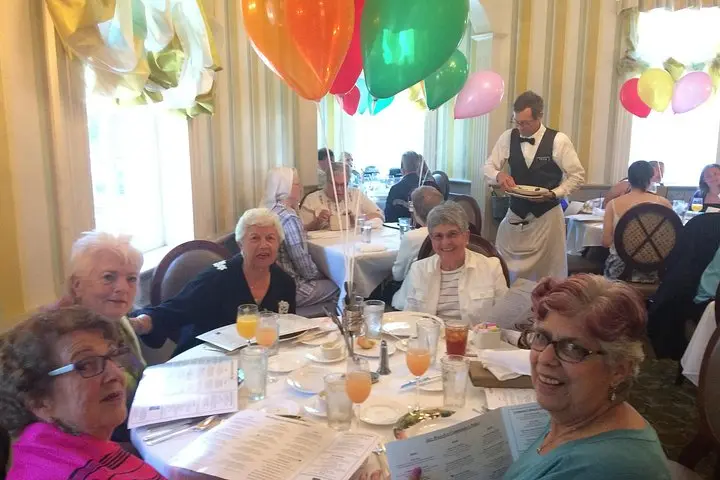
The tour begins as you step off Royal Street and into the measured chaos of the French Quarter: brass bands rolling by, the scent of charred onions mixing with citrus, and the click of heels on worn brick. A guide raised in the Quarter — the kind who learned service at a family restaurant — meets you with a clipped map and an appetite for stories. From there the route threads between small neighborhood kitchens, a low-lit bar pouring house cocktails, and a working backdoor where cooks still speak in shorthand.
Verified experiences and guided adventures in the surrounding area.
Operated by Nola Detours · New Orleans, Louisiana
The tour begins as you step off Royal Street and into the measured chaos of the French Quarter: brass bands rolling by, the scent of charred onions mixing with citrus, and the click of heels on worn brick. A guide raised in the Quarter — the kind who learned service at a family restaurant — meets you with a clipped map and an appetite for stories. From there the route threads between small neighborhood kitchens, a low-lit bar pouring house cocktails, and a working backdoor where cooks still speak in shorthand.
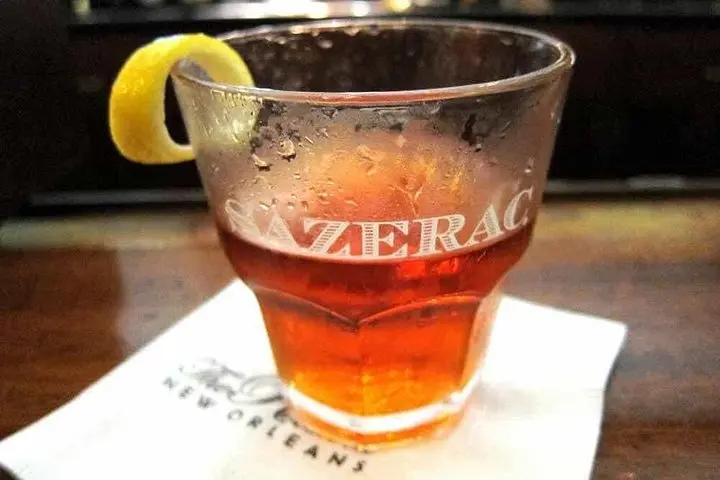
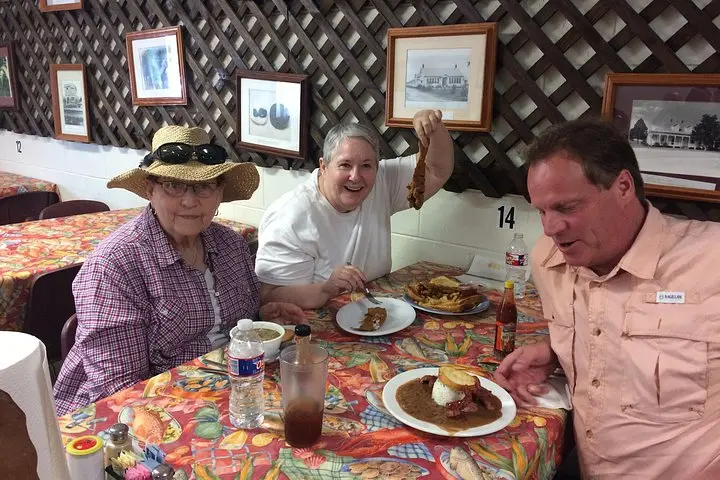
This isn’t a list of Instagram plates; it’s an insider’s pass into New Orleans’ layered culinary culture. The guide weaves history and architecture into each tasting: Creole and Cajun techniques that came off plantations and docks, the influence of French, Spanish, West African and Caribbean cooks, and how Prohibition-era cocktail craft lives on in today’s bar menus. Stops are chosen from a curated network — restaurants, hole-in-the-wall po'boy shops, and a bar where the bartender will share how sugar, citrus, and local spirits shaped early American cocktails.
Geology and climate show up in the food. The city’s low, marshy plain concentrates seafood and rice in Creole dishes; riverine trade once funneled spices and sugar into local kitchens. Music and architecture are part of the palate too — you’ll hear jazz drifting down an alley while a Victorian iron balcony shades the next tasting.
Practical details are straightforward. The private tour lasts about three hours and covers roughly 1.5–2 miles of flat urban walking over brick and sidewalks; expect frequent stops and time inside small venues. The experience includes multiple small-course tastings and at least one cocktail demonstration; menus are adapted per group. The guide is the difference here — a family restaurant background gives access to kitchens, chef anecdotes, and off-menu samples you won’t find on standard foodie routes.
Book early, especially for evening slots on weekends. Let your host know dietary restrictions when you reserve; the operator tailors stops but needs notice. Wear comfortable walking shoes and bring a reusable water bottle — even a short New Orleans day can be humid and crowded. Public transit and rideshare options are plentiful; most groups meet in the French Quarter.
For travelers who want more than a tasting menu, this private tour offers context: why a sauce tastes the way it does, how cocktail recipes evolved, and how the city’s food scene keeps reinventing itself while holding onto family-run roots. It’s a practical, sensory shortcut into neighborhoods where the best dishes are made for locals — and a clear-eyed way to taste New Orleans beyond the postcard cuisine.
Yes — multiple course samples and at least one cocktail demonstration are included; portions are tasting-size and meant to combine into a meal.
Yes — notify the operator at booking and they will customize stops where possible, though extreme restrictions should be discussed in advance.
Most tours meet in the French Quarter; exact meeting point is provided after booking and the tour typically ends near the starting area.
Families are welcome, but the tour’s focus on cocktails and restaurant interiors means parents should consider whether children will enjoy the pace and venues.
Accessibility varies by venue; notify the operator before booking so they can plan an accessible route and avoid steps when possible.
Expect roughly 1.5–2 miles of mostly flat walking over three hours with frequent seated stops.
Nola Detours operates guided outdoor trips and adventures with an emphasis on safety, stewardship, and memorable experiences.
The tour begins as you step off Royal Street and into the measured chaos of the French Quarter: brass bands rolling by, the scent of charred onions mixing with citrus, and the click of heels on worn brick. A guide raised in the Quarter — the kind who learned service at a family restaurant — meets you with a clipped map and an appetite for stories. From there the route threads between small neighborhood kitchens, a low-lit bar pouring house cocktails, and a working backdoor where cooks still speak in shorthand.
The tour begins as you step off Royal Street and into the measured chaos of the French Quarter: brass bands rolling by, the scent of charred onions mixing with citrus, and the click of heels on worn brick. A guide raised in the Quarter — the kind who learned service at a family restaurant — meets you with a clipped map and an appetite for stories. From there the route threads between small neighborhood kitchens, a low-lit bar pouring house cocktails, and a working backdoor where cooks still speak in shorthand.
This isn’t a list of Instagram plates; it’s an insider’s pass into New Orleans’ layered culinary culture. The guide weaves history and architecture into each tasting: Creole and Cajun techniques that came off plantations and docks, the influence of French, Spanish, West African and Caribbean cooks, and how Prohibition-era cocktail craft lives on in today’s bar menus. Stops are chosen from a curated network — restaurants, hole-in-the-wall po'boy shops, and a bar where the bartender will share how sugar, citrus, and local spirits shaped early American cocktails.
Geology and climate show up in the food. The city’s low, marshy plain concentrates seafood and rice in Creole dishes; riverine trade once funneled spices and sugar into local kitchens. Music and architecture are part of the palate too — you’ll hear jazz drifting down an alley while a Victorian iron balcony shades the next tasting.
Practical details are straightforward. The private tour lasts about three hours and covers roughly 1.5–2 miles of flat urban walking over brick and sidewalks; expect frequent stops and time inside small venues. The experience includes multiple small-course tastings and at least one cocktail demonstration; menus are adapted per group. The guide is the difference here — a family restaurant background gives access to kitchens, chef anecdotes, and off-menu samples you won’t find on standard foodie routes.
Book early, especially for evening slots on weekends. Let your host know dietary restrictions when you reserve; the operator tailors stops but needs notice. Wear comfortable walking shoes and bring a reusable water bottle — even a short New Orleans day can be humid and crowded. Public transit and rideshare options are plentiful; most groups meet in the French Quarter.
For travelers who want more than a tasting menu, this private tour offers context: why a sauce tastes the way it does, how cocktail recipes evolved, and how the city’s food scene keeps reinventing itself while holding onto family-run roots. It’s a practical, sensory shortcut into neighborhoods where the best dishes are made for locals — and a clear-eyed way to taste New Orleans beyond the postcard cuisine.