THE ADVENTURE COLLECTIVE® · Independent discovery and booking for outdoor travel

Visit St. Lucia Distillers on a three-and-a-half-hour tour from Castries that combines market stops, panoramic views of Marigot Bay and guided rum tastings. Closed shoes required; suitable for most travelers who want a grounded look at the island’s rum heritage.
Visit St. Lucia Distillers on a three-and-a-half-hour tour from Castries that combines market stops, panoramic views of Marigot Bay and guided rum tastings. Closed shoes required; suitable for most travelers who want a grounded look at the island’s rum heritage.
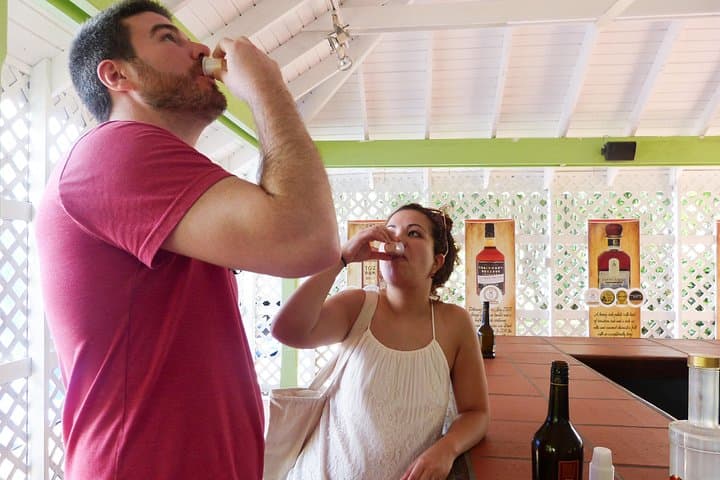
The bus eases out of Castries and the road folds into banana stands and cane fields; the air tastes faintly of sugar and salt, and Marigot Bay opens like a dark glass bowl on the coast. Travelers step off for a guided walk through St. Lucia Distillers where copper stills and aging barrels occupy the same space as stories of plantation life and local craft.
Verified experiences and guided adventures in the surrounding area.
Operated by Barefoot Holidays · Castries, Castries District
The bus eases out of Castries and the road folds into banana stands and cane fields; the air tastes faintly of sugar and salt, and Marigot Bay opens like a dark glass bowl on the coast. Travelers step off for a guided walk through St. Lucia Distillers where copper stills and aging barrels occupy the same space as stories of plantation life and local craft.
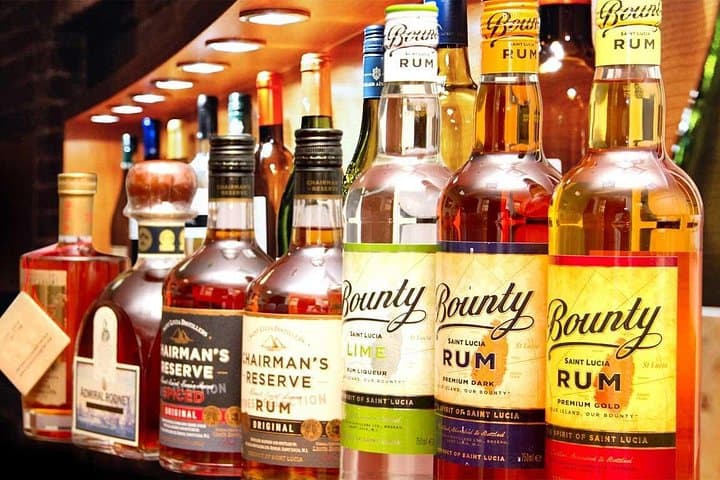
Rum on Saint Lucia is an industry born from colonial sugarcane agriculture; the distillery’s equipment and tasting room illustrate how molasses, yeast and time become the island’s signature spirit. Geology shows in the route — volcanic ridges drain into sheltered bays — and those steep slopes helped create pockets of microclimate ideal for cane and the dry-aging cellars.
The cultural thread is straightforward: rum here is both everyday and ceremonial, sold in small shops and poured at family gatherings. Guides often point out nearby Marigot’s sheltered harbor and Castries Market, where spices and produce carry the scents you’ll recognize in flavored rums.
Practical guidance: the experience is low-impact but active — closed shoes are required inside the production area and the tour includes tastings, so plan transport if you’ll drink. Bring sun protection for the drive viewpoints, carry a refillable bottle, and allow about 3.5 hours for pickup, market stops, scenic lookouts and the distillery visit. If you want a bottle to take home, check customs limits and pack purchases in carry-on where allowed. The tour balances sensory detail with clear logistics: arrive curious, leave with tasting notes and a new appreciation for island craft rum.
Pickup and drop-off are included for North Island hotels only; south-island travelers must arrange their own transport.
The legal age to consume alcohol in Saint Lucia is 18; ID may be requested during tastings.
Pregnant travelers are not recommended to participate in tastings but may join the tour if they avoid sampling; check with the operator beforehand.
Photography is typically allowed in public areas and the tasting room but may be restricted on the production floor for safety and proprietary reasons — follow your guide’s instructions.
Barefoot Holidays operates guided outdoor trips and adventures with an emphasis on safety, stewardship, and memorable experiences.


The bus eases out of Castries and the road folds into banana stands and cane fields; the air tastes faintly of sugar and salt, and Marigot Bay opens like a dark glass bowl on the coast. Travelers step off for a guided walk through St. Lucia Distillers where copper stills and aging barrels occupy the same space as stories of plantation life and local craft.
The bus eases out of Castries and the road folds into banana stands and cane fields; the air tastes faintly of sugar and salt, and Marigot Bay opens like a dark glass bowl on the coast. Travelers step off for a guided walk through St. Lucia Distillers where copper stills and aging barrels occupy the same space as stories of plantation life and local craft.
Rum on Saint Lucia is an industry born from colonial sugarcane agriculture; the distillery’s equipment and tasting room illustrate how molasses, yeast and time become the island’s signature spirit. Geology shows in the route — volcanic ridges drain into sheltered bays — and those steep slopes helped create pockets of microclimate ideal for cane and the dry-aging cellars.
The cultural thread is straightforward: rum here is both everyday and ceremonial, sold in small shops and poured at family gatherings. Guides often point out nearby Marigot’s sheltered harbor and Castries Market, where spices and produce carry the scents you’ll recognize in flavored rums.
Practical guidance: the experience is low-impact but active — closed shoes are required inside the production area and the tour includes tastings, so plan transport if you’ll drink. Bring sun protection for the drive viewpoints, carry a refillable bottle, and allow about 3.5 hours for pickup, market stops, scenic lookouts and the distillery visit. If you want a bottle to take home, check customs limits and pack purchases in carry-on where allowed. The tour balances sensory detail with clear logistics: arrive curious, leave with tasting notes and a new appreciation for island craft rum.