THE ADVENTURE COLLECTIVE® · Independent discovery and booking for outdoor travel

Walk from the Lama Temple through classic hutongs to the historic Drum Tower on a 3–4 hour guided city stroll. Expect temple rituals, Confucian history and intimate neighborhood scenes that reveal everyday Beijing.
Walk from the Lama Temple through classic hutongs to the historic Drum Tower on a 3–4 hour guided city stroll. Expect temple rituals, Confucian history and intimate neighborhood scenes that reveal everyday Beijing.
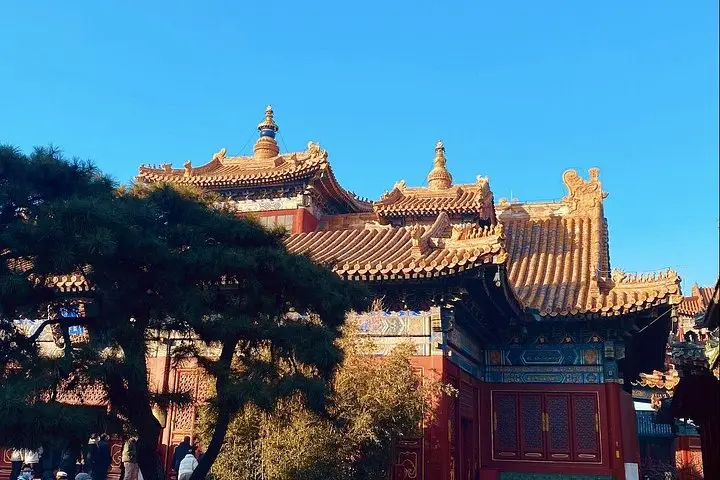
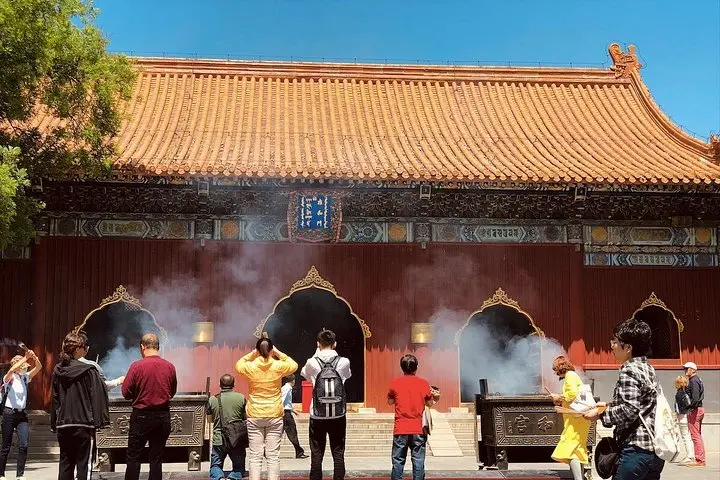
The walk begins at the gate of Lama Temple as incense smoke threads through the cool courtyard and the city’s noise slips away. The guide leads the group past prayer wheels and ornate rooflines; here Buddhism makes itself visible in bells, statues and the steady shuffle of worshippers.
Verified experiences and guided adventures in the surrounding area.
Operated by Diverse China Travel · Beijing, Beijing
The walk begins at the gate of Lama Temple as incense smoke threads through the cool courtyard and the city’s noise slips away. The guide leads the group past prayer wheels and ornate rooflines; here Buddhism makes itself visible in bells, statues and the steady shuffle of worshippers.
Over the next three to four hours the route moves south and west through narrow hutongs where gray-tiled siheyuan courtyards breathe ordinary life—bicycles, street vendors, and kitchen smoke. Stops include the Lama Temple (a Qing-era Tibetan Buddhist center), the Confucius Temple and the nearby Imperial Academy (Guozijian), then onward through Beiluguxiang toward the Drum Tower, whose twin structures once marked the city’s hours.
History sits in plain view: the Lama Temple reflects Qing dynasty Manchu patronage; the Confucius Temple explains the civil-exam culture that shaped Chinese education; the Drum and Bell Towers were the city’s original clock. Geology matters less here than layers of urban development—wood, brick and courtyard planning that resisted modern grid patterns.
Practical guidance: wear comfortable shoes for cobbles and occasional smooth stone, carry water, and dress modestly for temples. Mornings are cooler and calmer; afternoons show more local life in hutongs. Expect about 3–4 hours of steady walking with short stops; this is a moderate outing suited to travelers with a reasonable fitness baseline. Stay aware of narrow alleys and be ready to pause for local traffic. The route rewards attention: small courtyards and market stalls reveal contemporary Beijing between historic frames.
The meeting point is the main gate of Lama Temple (Yonghe Temple); the guide will be identifiable and confirm the group before starting.
Key sites like Lama Temple and the Confucius Temple have accessible areas, but some narrow hutong alleys and thresholds may be challenging for full wheelchair access—check with the operator for accommodations.
Guides on these tours are commonly English-speaking but confirm language availability when booking or request a specific language in advance.
Tipping is not customary in China; small tips for excellent private guides are appreciated but not obligatory—follow your comfort level.
Diverse China Travel operates guided outdoor trips and adventures with an emphasis on safety, stewardship, and memorable experiences.
The walk begins at the gate of Lama Temple as incense smoke threads through the cool courtyard and the city’s noise slips away. The guide leads the group past prayer wheels and ornate rooflines; here Buddhism makes itself visible in bells, statues and the steady shuffle of worshippers.
The walk begins at the gate of Lama Temple as incense smoke threads through the cool courtyard and the city’s noise slips away. The guide leads the group past prayer wheels and ornate rooflines; here Buddhism makes itself visible in bells, statues and the steady shuffle of worshippers.
Over the next three to four hours the route moves south and west through narrow hutongs where gray-tiled siheyuan courtyards breathe ordinary life—bicycles, street vendors, and kitchen smoke. Stops include the Lama Temple (a Qing-era Tibetan Buddhist center), the Confucius Temple and the nearby Imperial Academy (Guozijian), then onward through Beiluguxiang toward the Drum Tower, whose twin structures once marked the city’s hours.
History sits in plain view: the Lama Temple reflects Qing dynasty Manchu patronage; the Confucius Temple explains the civil-exam culture that shaped Chinese education; the Drum and Bell Towers were the city’s original clock. Geology matters less here than layers of urban development—wood, brick and courtyard planning that resisted modern grid patterns.
Practical guidance: wear comfortable shoes for cobbles and occasional smooth stone, carry water, and dress modestly for temples. Mornings are cooler and calmer; afternoons show more local life in hutongs. Expect about 3–4 hours of steady walking with short stops; this is a moderate outing suited to travelers with a reasonable fitness baseline. Stay aware of narrow alleys and be ready to pause for local traffic. The route rewards attention: small courtyards and market stalls reveal contemporary Beijing between historic frames.