THE ADVENTURE COLLECTIVE® · Independent discovery and booking for outdoor travel

Walk through the heart of Beijing from Tiananmen Square to the 600‑year‑old Forbidden City, then climb the fortified ridgeline at Badaling. This full‑day tour packs civic history, imperial architecture, and Great Wall vistas into one practical, walkable route.
Walk through the heart of Beijing from Tiananmen Square to the 600‑year‑old Forbidden City, then climb the fortified ridgeline at Badaling. This full‑day tour packs civic history, imperial architecture, and Great Wall vistas into one practical, walkable route.
Step off a Beijing street into a wide, open square where the national flag snaps in the wind and the city’s scale becomes physical—Tiananmen stretches and demands attention. From there the tour threads north into the Forbidden City, where stone courtyards and painted beams hold six centuries of imperial logistics, then drives out to Badaling where the Great Wall climbs the ridgeline like a deliberate, climbing spine.
Verified experiences and guided adventures in the surrounding area.
Operated by China Highlights-Beijing · Beijing, Beijing
Step off a Beijing street into a wide, open square where the national flag snaps in the wind and the city’s scale becomes physical—Tiananmen stretches and demands attention. From there the tour threads north into the Forbidden City, where stone courtyards and painted beams hold six centuries of imperial logistics, then drives out to Badaling where the Great Wall climbs the ridgeline like a deliberate, climbing spine.
Tiananmen Square is a modern political stage, a plaza shaped by 20th-century history; the Forbidden City began under the Ming in the early 1400s and served as imperial seat through the Qing. Badaling occupies a strategic pass on the Yanqing ridgeline and represents Ming-era defensive engineering—the wall’s watchtowers and steep steps reflect both geology and military necessity as it clings to granite outcrops above the plain.
Culturally, the sequence of sites reads like Beijing’s long narrative: civic ritual, imperial ceremony, frontier defense. Locals time visits to avoid midday heat and to catch the sunrise flag ceremony at Tiananmen. Photography is constant; modest dress and respectful behavior in memorial areas are expected.
Practical matters: the full-day itinerary runs roughly 6–10 hours with several hours of walking and short climbs at Badaling. Expect paved plazas, palace steps, and uneven stone at the Wall—sturdy footwear, sun protection, and a filled water bottle matter. The Forbidden City is usually closed Mondays; confirm dates and carry passport details for museum tickets. Public transit or tour pickup works well for logistics, and allow extra time for crowds during peak seasons.
The Palace Museum (Forbidden City) is typically closed on Mondays but open on public holidays; always verify the calendar before booking.
Typical itinerary allocates about 60–90 minutes at Tiananmen, roughly 2–2.5 hours inside the Forbidden City, and around 2–2.5 hours at Badaling, within a 6–10 hour day.
The tour is physically easy overall but involves stairs and uneven stone at Badaling; it's generally fine for active children and seniors who can manage short climbs—note infant lap rules and accessibility limits.
Yes—professional English‑speaking guides provide commentary and the tour typically handles entry tickets to avoid public queues, though you should confirm specifics at booking.
China Highlights-Beijing operates guided outdoor trips and adventures with an emphasis on safety, stewardship, and memorable experiences.
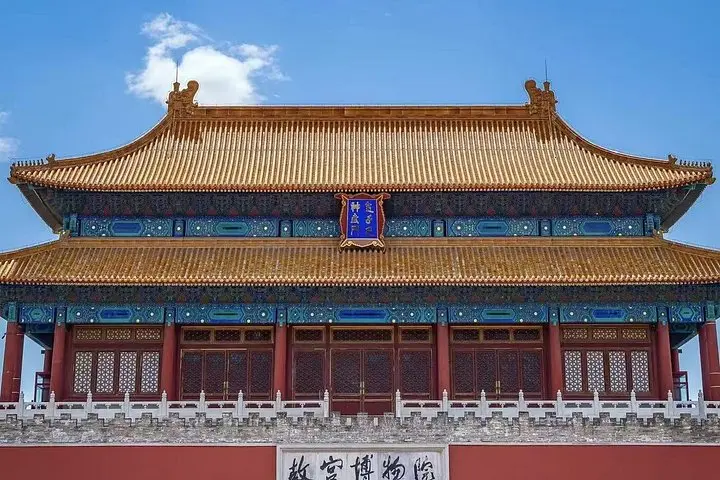
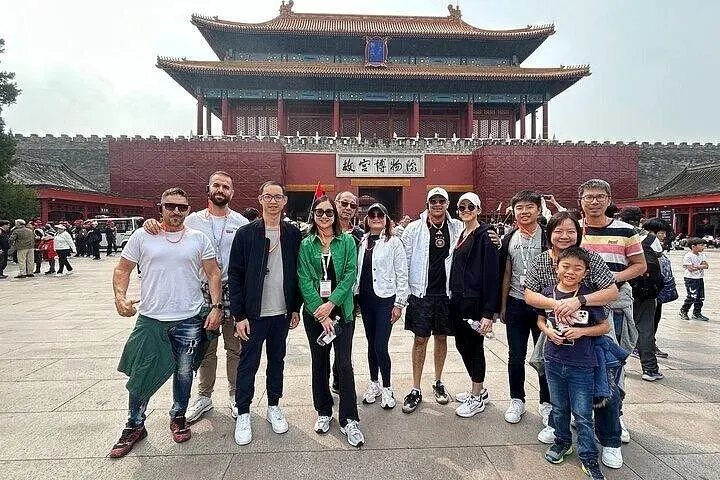
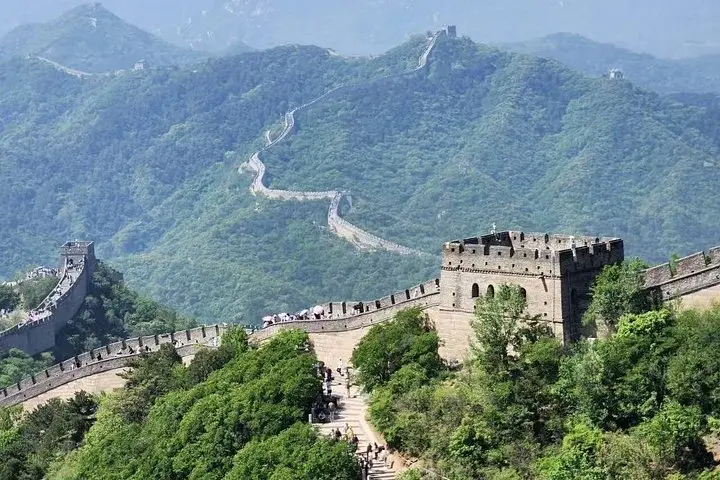
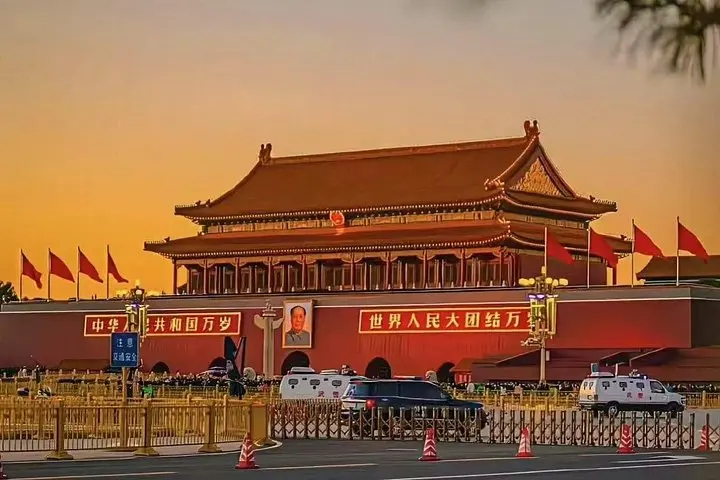
Step off a Beijing street into a wide, open square where the national flag snaps in the wind and the city’s scale becomes physical—Tiananmen stretches and demands attention. From there the tour threads north into the Forbidden City, where stone courtyards and painted beams hold six centuries of imperial logistics, then drives out to Badaling where the Great Wall climbs the ridgeline like a deliberate, climbing spine.
Step off a Beijing street into a wide, open square where the national flag snaps in the wind and the city’s scale becomes physical—Tiananmen stretches and demands attention. From there the tour threads north into the Forbidden City, where stone courtyards and painted beams hold six centuries of imperial logistics, then drives out to Badaling where the Great Wall climbs the ridgeline like a deliberate, climbing spine.
Tiananmen Square is a modern political stage, a plaza shaped by 20th-century history; the Forbidden City began under the Ming in the early 1400s and served as imperial seat through the Qing. Badaling occupies a strategic pass on the Yanqing ridgeline and represents Ming-era defensive engineering—the wall’s watchtowers and steep steps reflect both geology and military necessity as it clings to granite outcrops above the plain.
Culturally, the sequence of sites reads like Beijing’s long narrative: civic ritual, imperial ceremony, frontier defense. Locals time visits to avoid midday heat and to catch the sunrise flag ceremony at Tiananmen. Photography is constant; modest dress and respectful behavior in memorial areas are expected.
Practical matters: the full-day itinerary runs roughly 6–10 hours with several hours of walking and short climbs at Badaling. Expect paved plazas, palace steps, and uneven stone at the Wall—sturdy footwear, sun protection, and a filled water bottle matter. The Forbidden City is usually closed Mondays; confirm dates and carry passport details for museum tickets. Public transit or tour pickup works well for logistics, and allow extra time for crowds during peak seasons.