THE ADVENTURE COLLECTIVE® · Independent discovery and booking for outdoor travel

See Beijing’s political heart and imperial center, then hike a dramatic section of the Great Wall in one full-day private tour. Ideal for travelers who want history, views, and a guided, low-hassle outing.
See Beijing’s political heart and imperial center, then hike a dramatic section of the Great Wall in one full-day private tour. Ideal for travelers who want history, views, and a guided, low-hassle outing.
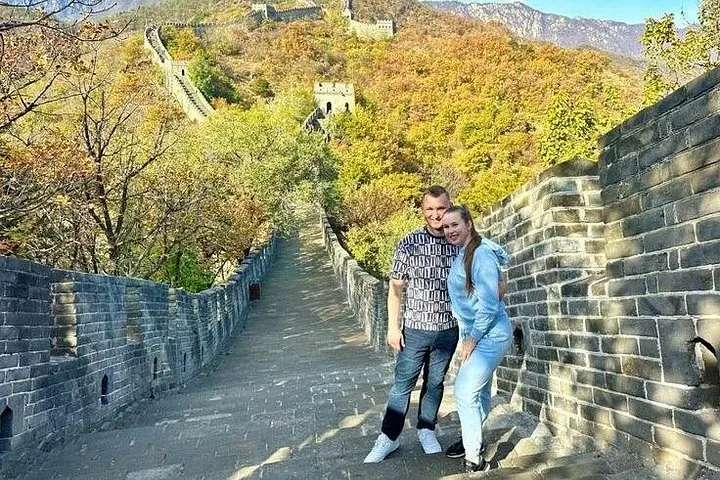
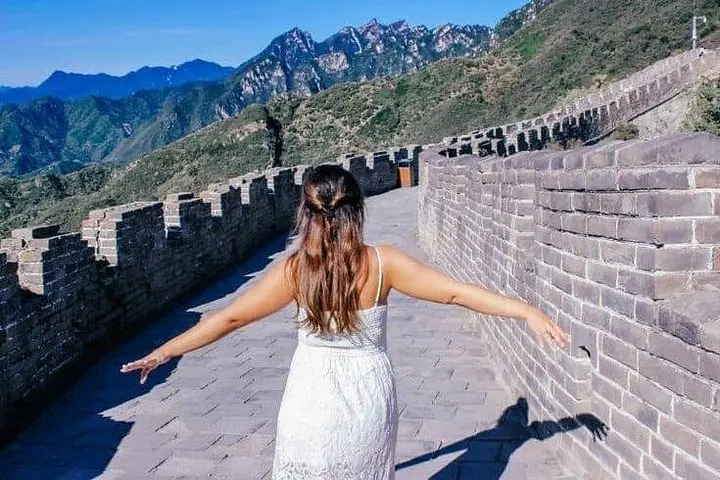
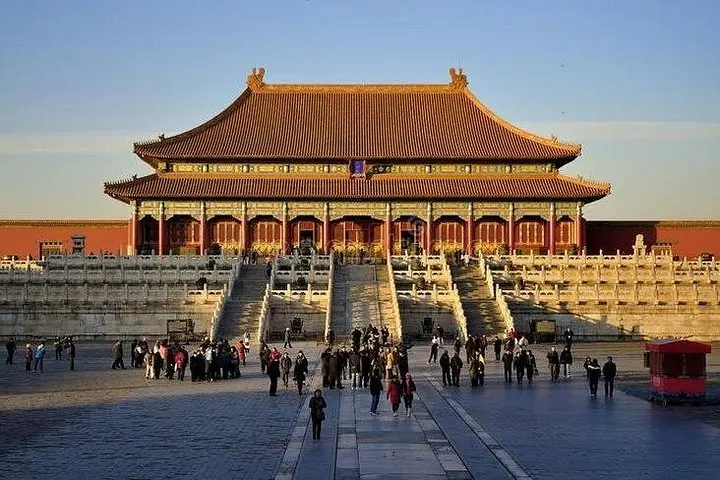
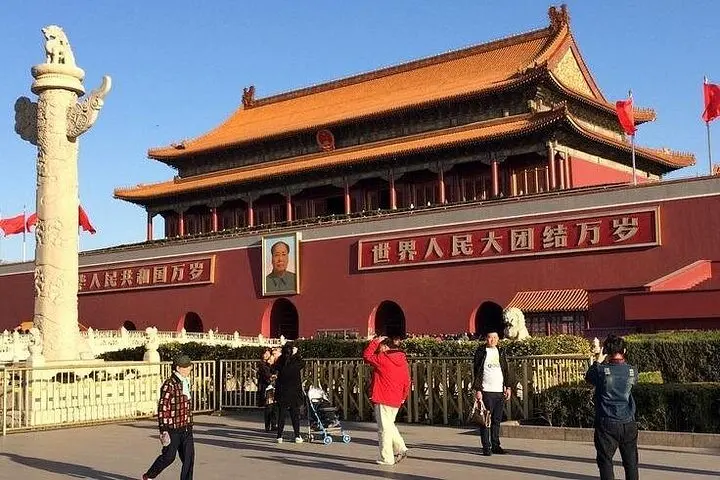
Stand in Tiananmen Square at first light and the city feels like a measured breath—broad stone, flag-raising crews, and Chang’an Street slicing east-west. The day that follows moves from civic scale to imperial detail: the Forbidden City’s painted halls, carved thresholds and the hush of the Imperial Garden, then outward to Mutianyu where the Great Wall climbs the tree-lined ridge and unfurls toward the horizon.
Verified experiences and guided adventures in the surrounding area.
Operated by Crown China · Beijing, Beijing
Stand in Tiananmen Square at first light and the city feels like a measured breath—broad stone, flag-raising crews, and Chang’an Street slicing east-west. The day that follows moves from civic scale to imperial detail: the Forbidden City’s painted halls, carved thresholds and the hush of the Imperial Garden, then outward to Mutianyu where the Great Wall climbs the tree-lined ridge and unfurls toward the horizon.
The route stitches together Beijing’s political and imperial story. Tiananmen anchors 20th‑century state life; the Forbidden City condenses six centuries of Ming and Qing courtcraft in timber frames, gilded roofs and axial planning. Geologically, Mutianyu rides a granite-and-slate ridgeline—its stone steps and towers sit where natural spine meets strategic sightlines, a Ming-era reinforcement of earlier frontier works.
Culturally, expect layers: palace rituals preserved in architecture, market rhythms at lunch, and local guides who translate symbols and protocol. Note that Palace Museum tickets for foreign visitors are limited and should be reserved seven days ahead; without a reservation, entry depends on the quota.
Practically, the day is long but manageable: hotel pickup, guided morning in central Beijing, a midday drive (≈1.5 hours) to Mutianyu, a cable-car-assisted two-hour Wall walk, then return. Wear sturdy walking shoes for uneven stone and many steps, bring a refillable water bottle, a passport for entry checks, and a compact rain layer. Timing matters—arrive early at the Palace to avoid heat and crowds; at Mutianyu, the cable car saves energy and gives maximum time on the Wall. With an experienced local guide and an air-conditioned vehicle, the tour balances history and exertion into a single full day that leaves a clear imprint of Beijing’s past and its landscape.
Yes. Foreign visitors should reserve Palace Museum tickets at least 7 days before travel; without reservations, entry depends on daily quotas and may not be possible.
The tour includes about two hours on Mutianyu with many steps and short climbs; using the cable car up and down reduces exertion while still allowing extensive walking on the wall.
Yes. The tour provides hotel pickup and drop-off in an air-conditioned vehicle (meeting at the hotel lobby as arranged at booking).
The tour notes stroller and transportation accessibility; however, many parts of the Forbidden City and the Wall include steps—check specific accessibility needs with the operator before booking.
Crown China operates guided outdoor trips and adventures with an emphasis on safety, stewardship, and memorable experiences.
Stand in Tiananmen Square at first light and the city feels like a measured breath—broad stone, flag-raising crews, and Chang’an Street slicing east-west. The day that follows moves from civic scale to imperial detail: the Forbidden City’s painted halls, carved thresholds and the hush of the Imperial Garden, then outward to Mutianyu where the Great Wall climbs the tree-lined ridge and unfurls toward the horizon.
Stand in Tiananmen Square at first light and the city feels like a measured breath—broad stone, flag-raising crews, and Chang’an Street slicing east-west. The day that follows moves from civic scale to imperial detail: the Forbidden City’s painted halls, carved thresholds and the hush of the Imperial Garden, then outward to Mutianyu where the Great Wall climbs the tree-lined ridge and unfurls toward the horizon.
The route stitches together Beijing’s political and imperial story. Tiananmen anchors 20th‑century state life; the Forbidden City condenses six centuries of Ming and Qing courtcraft in timber frames, gilded roofs and axial planning. Geologically, Mutianyu rides a granite-and-slate ridgeline—its stone steps and towers sit where natural spine meets strategic sightlines, a Ming-era reinforcement of earlier frontier works.
Culturally, expect layers: palace rituals preserved in architecture, market rhythms at lunch, and local guides who translate symbols and protocol. Note that Palace Museum tickets for foreign visitors are limited and should be reserved seven days ahead; without a reservation, entry depends on the quota.
Practically, the day is long but manageable: hotel pickup, guided morning in central Beijing, a midday drive (≈1.5 hours) to Mutianyu, a cable-car-assisted two-hour Wall walk, then return. Wear sturdy walking shoes for uneven stone and many steps, bring a refillable water bottle, a passport for entry checks, and a compact rain layer. Timing matters—arrive early at the Palace to avoid heat and crowds; at Mutianyu, the cable car saves energy and gives maximum time on the Wall. With an experienced local guide and an air-conditioned vehicle, the tour balances history and exertion into a single full day that leaves a clear imprint of Beijing’s past and its landscape.