THE ADVENTURE COLLECTIVE® · Independent discovery and booking for outdoor travel

Pair modern engineering with old-city intimacy on a private full-day tour of Beijing’s Olympic Park and hutongs. Ride a rickshaw through winding alleys, climb the Drum Tower for rooftop views, and sample tea in a local family home.
Pair modern engineering with old-city intimacy on a private full-day tour of Beijing’s Olympic Park and hutongs. Ride a rickshaw through winding alleys, climb the Drum Tower for rooftop views, and sample tea in a local family home.
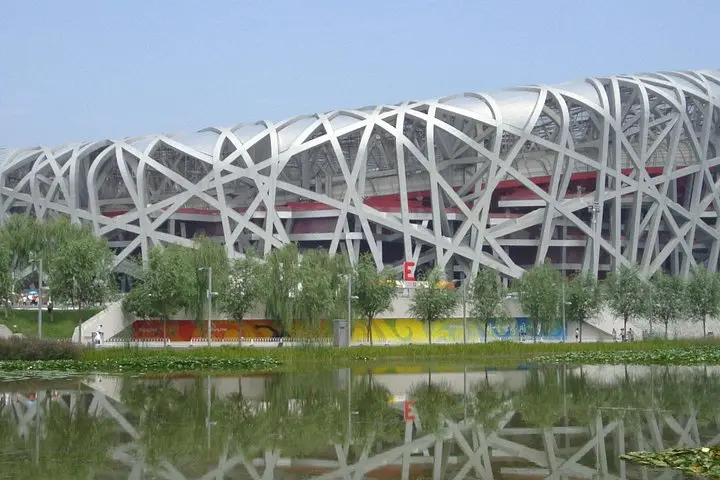
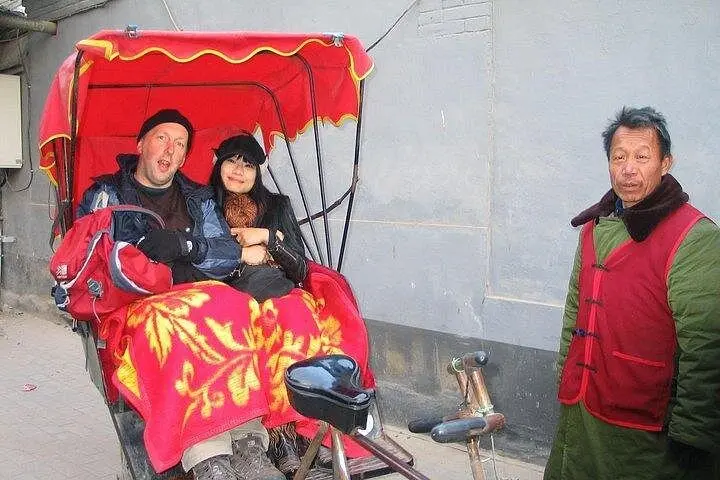
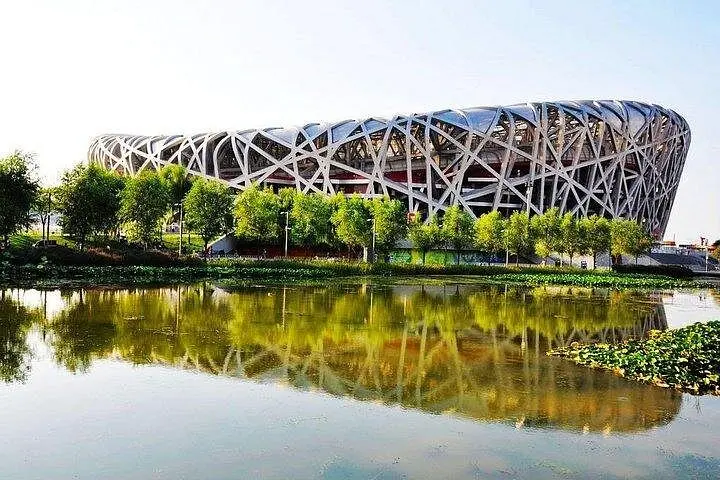
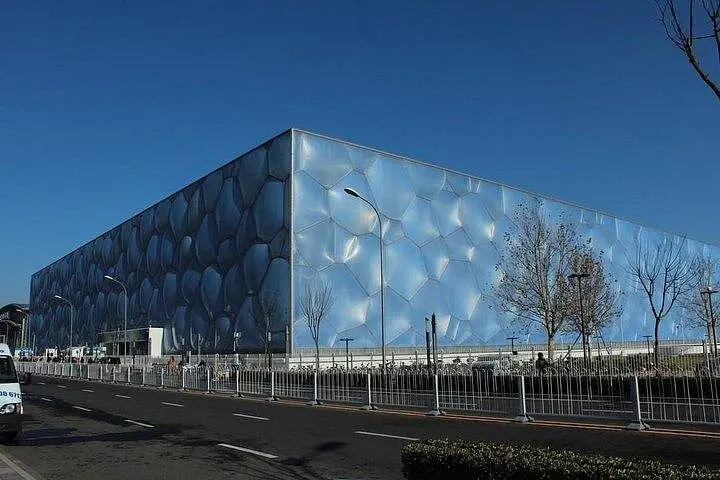
Morning light cuts across a lattice of steel and foam at the National Stadium — the Bird’s Nest — its angles throwing sharp shadows on concrete plazas. A short walk away, the Water Cube shimmers, its bubble-like facade reflecting the city’s pace. Later you slip into the city’s quieter arteries: narrow hutongs where bicycles and rickshaws thread between siheyuan courtyards and laundry lines.
Verified experiences and guided adventures in the surrounding area.
Operated by Hantang International Travel Service · Beijing, Beijing
Morning light cuts across a lattice of steel and foam at the National Stadium — the Bird’s Nest — its angles throwing sharp shadows on concrete plazas. A short walk away, the Water Cube shimmers, its bubble-like facade reflecting the city’s pace. Later you slip into the city’s quieter arteries: narrow hutongs where bicycles and rickshaws thread between siheyuan courtyards and laundry lines.
The contrast is the point. Olympic Park sits on Beijing’s north axis, a recent layer atop a city whose streets date millennia; the 2008 Games transformed both skyline and civic identity. Hutongs preserve older urban forms — narrow lanes, communal courtyards and the Drum Tower, an old timekeeper that still rewards a climb with a compact panorama of gray roofs and distant towers. Culture here is tactile: tea poured in small cups, conversation in shared courtyards, neighbors greeting one another across thresholds.
Expect paved promenades at the Park and uneven flagstones inside hutongs; the Drum Tower adds steps and narrow staircases. The day mixes short walks, a rickshaw ride through alleys, a family-home visit and a tea tasting; admissions and a Chinese-style lunch are included. Bring modest clothing when visiting private homes, carry cash or a working mobile-pay option for small purchases, and plan for crowds at popular photo points.
Timing matters: mornings are cooler and quieter, afternoons brighter for the Water Cube’s façade. Hydrate, wear comfortable shoes, and leave room in your schedule for slow moments — watching an old woman shell peas in a courtyard can be as revealing as the stadium’s architecture.
Yes — the tour listing includes admission tickets to planned sites, and the itinerary notes admissions are provided.
Pickup and drop-off are provided for hotels within Beijing’s 4th Ring Road; guests outside that area meet at Prime Hotel per supplier instructions.
The tour is stroller-accessible in many areas, but infants must sit on a lap; some narrow hutong stretches and the Drum Tower stairs may be difficult with larger strollers.
Major sites accept cards, but small vendors in hutongs prefer cash or Chinese mobile payments; bring some yuan and check your card’s international access.
Hantang International Travel Service operates guided outdoor trips and adventures with an emphasis on safety, stewardship, and memorable experiences.
Morning light cuts across a lattice of steel and foam at the National Stadium — the Bird’s Nest — its angles throwing sharp shadows on concrete plazas. A short walk away, the Water Cube shimmers, its bubble-like facade reflecting the city’s pace. Later you slip into the city’s quieter arteries: narrow hutongs where bicycles and rickshaws thread between siheyuan courtyards and laundry lines.
Morning light cuts across a lattice of steel and foam at the National Stadium — the Bird’s Nest — its angles throwing sharp shadows on concrete plazas. A short walk away, the Water Cube shimmers, its bubble-like facade reflecting the city’s pace. Later you slip into the city’s quieter arteries: narrow hutongs where bicycles and rickshaws thread between siheyuan courtyards and laundry lines.
The contrast is the point. Olympic Park sits on Beijing’s north axis, a recent layer atop a city whose streets date millennia; the 2008 Games transformed both skyline and civic identity. Hutongs preserve older urban forms — narrow lanes, communal courtyards and the Drum Tower, an old timekeeper that still rewards a climb with a compact panorama of gray roofs and distant towers. Culture here is tactile: tea poured in small cups, conversation in shared courtyards, neighbors greeting one another across thresholds.
Expect paved promenades at the Park and uneven flagstones inside hutongs; the Drum Tower adds steps and narrow staircases. The day mixes short walks, a rickshaw ride through alleys, a family-home visit and a tea tasting; admissions and a Chinese-style lunch are included. Bring modest clothing when visiting private homes, carry cash or a working mobile-pay option for small purchases, and plan for crowds at popular photo points.
Timing matters: mornings are cooler and quieter, afternoons brighter for the Water Cube’s façade. Hydrate, wear comfortable shoes, and leave room in your schedule for slow moments — watching an old woman shell peas in a courtyard can be as revealing as the stadium’s architecture.