THE ADVENTURE COLLECTIVE® · Independent discovery and booking for outdoor travel

Spend a day exploring Beijing’s Temple of Heaven, Lama Temple and nearby hutongs with a guided rickshaw loop that blends imperial history, living neighborhoods, and hands-on cultural stops. Expect light walking, crowds at peak times, and insights into Beijing daily life.
Spend a day exploring Beijing’s Temple of Heaven, Lama Temple and nearby hutongs with a guided rickshaw loop that blends imperial history, living neighborhoods, and hands-on cultural stops. Expect light walking, crowds at peak times, and insights into Beijing daily life.
You step out of a narrow alley into a wide, circular plaza where the Hall of Prayer for Good Harvests dominates the sky—its blue tiles catching sunlight while visitors trace the same stone paths emperors once walked.
Verified experiences and guided adventures in the surrounding area.
Operated by Marco Polo(Beijing)Tour · Beijing, Beijing
You step out of a narrow alley into a wide, circular plaza where the Hall of Prayer for Good Harvests dominates the sky—its blue tiles catching sunlight while visitors trace the same stone paths emperors once walked.
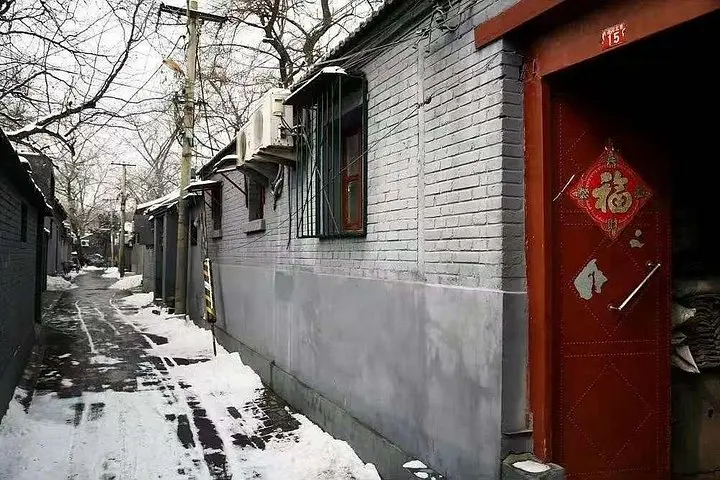
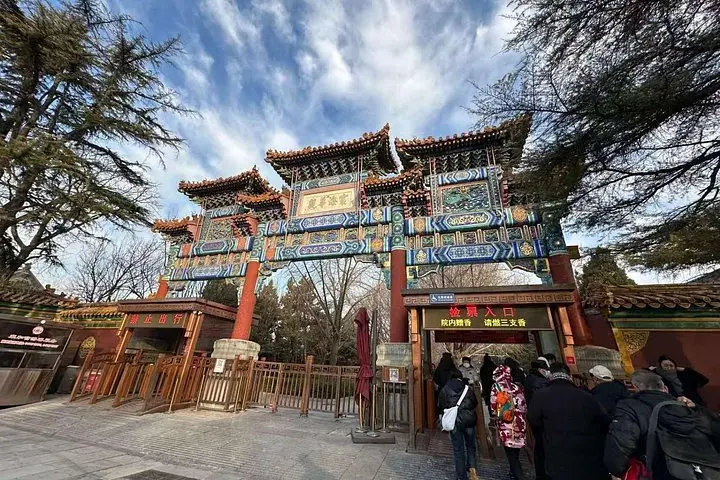
This full-day, guided loop through Beijing moves from the imperial ritual grounds of the Temple of Heaven (built in the early Ming, 15th century) to the quieter pitch and sweep of historic hutongs and the saffron-roofed halls of the Lama Temple (Yonghe, largely reconstructed in the Qing era). The Temple of Heaven explains state ritual and agrarian cycles; the hutongs reveal daily life rhythms—bicycles, courtyard siestas, and small workshops—while the Lama Temple introduces Tibetan Buddhist practice in a Han city.
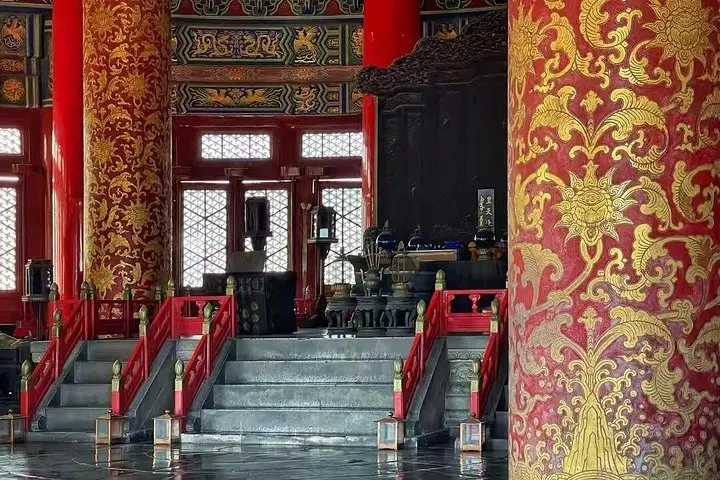
Geology here is urban alluvium and flattened plains: the landscape’s drama is human-made—axial city planning, layered walls, and rooflines aligned to cosmology rather than topography. Guides point out architectural details—circular vs. square symbolism, glazed tile colors—and invite you to try paper-cutting in a hutong courtyard or light an incense stick inside the Lama Temple’s inner halls.
Practical: expect 6–7 hours with hotel pickup, light walking (rickshaw included for a stretch), and several short stair sections. Wear comfortable shoes, carry water, and plan for security screening at major sites. Morning slots are cooler and less crowded; bring sunscreen and a compact umbrella for summer showers. This tour balances history, living neighborhoods, and spiritual space—efficient, grounded, and rich in small discoveries.
Yes — entrance tickets to the Temple of Heaven and the Lama Temple are included as part of this tour.
The tour lists wheelchair accessibility and wheelchair-accessible transportation, but some historic sites have uneven surfaces—confirm specific needs when booking.
Hotel pick-up and drop-off are included; you’ll specify pickup point during booking and at confirmation.
Yes — the itinerary is rated easy and stroller-friendly; rickshaw segments reduce walking for younger guests.
Marco Polo(Beijing)Tour operates guided outdoor trips and adventures with an emphasis on safety, stewardship, and memorable experiences.
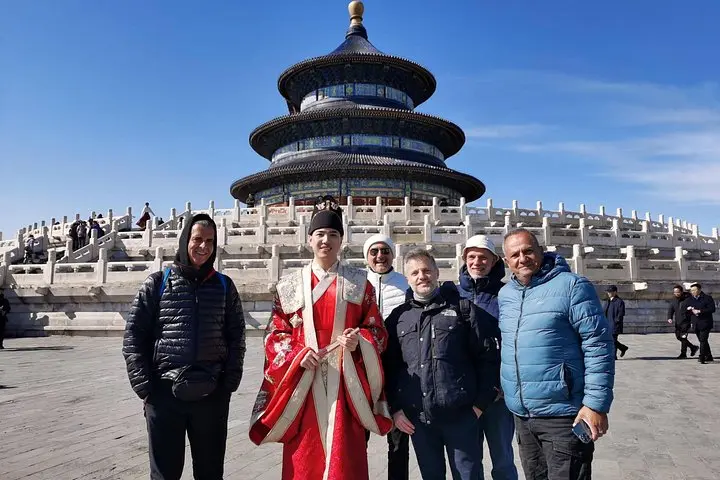
You step out of a narrow alley into a wide, circular plaza where the Hall of Prayer for Good Harvests dominates the sky—its blue tiles catching sunlight while visitors trace the same stone paths emperors once walked.
You step out of a narrow alley into a wide, circular plaza where the Hall of Prayer for Good Harvests dominates the sky—its blue tiles catching sunlight while visitors trace the same stone paths emperors once walked.
This full-day, guided loop through Beijing moves from the imperial ritual grounds of the Temple of Heaven (built in the early Ming, 15th century) to the quieter pitch and sweep of historic hutongs and the saffron-roofed halls of the Lama Temple (Yonghe, largely reconstructed in the Qing era). The Temple of Heaven explains state ritual and agrarian cycles; the hutongs reveal daily life rhythms—bicycles, courtyard siestas, and small workshops—while the Lama Temple introduces Tibetan Buddhist practice in a Han city.
Geology here is urban alluvium and flattened plains: the landscape’s drama is human-made—axial city planning, layered walls, and rooflines aligned to cosmology rather than topography. Guides point out architectural details—circular vs. square symbolism, glazed tile colors—and invite you to try paper-cutting in a hutong courtyard or light an incense stick inside the Lama Temple’s inner halls.
Practical: expect 6–7 hours with hotel pickup, light walking (rickshaw included for a stretch), and several short stair sections. Wear comfortable shoes, carry water, and plan for security screening at major sites. Morning slots are cooler and less crowded; bring sunscreen and a compact umbrella for summer showers. This tour balances history, living neighborhoods, and spiritual space—efficient, grounded, and rich in small discoveries.