THE ADVENTURE COLLECTIVE® · Independent discovery and booking for outdoor travel

Explore Lebanon’s dramatic contrasts in one day: the cool mystery of Jeita Grotto, the seaside vistas from Harissa’s shrine, and the ancient stones of Byblos. This guided private tour pairs natural wonder with cultural depth—ideal for travelers based in Beirut.
Explore Lebanon’s dramatic contrasts in one day: the cool mystery of Jeita Grotto, the seaside vistas from Harissa’s shrine, and the ancient stones of Byblos. This guided private tour pairs natural wonder with cultural depth—ideal for travelers based in Beirut.
You step out of the air-conditioned vehicle and the cliffside seems to exhale: cool, damp air drifting from a labyrinth of limestone. In the Jeita Grotto the river dares you forward, carrying a soft, echoing murmur as a small boat slips beneath stalactites that hang like frozen drips. Later, the cable car to Harissa lifts you above a spread of blue sea and terraced pines; the statue of Our Lady of Lebanon watches over the bay. Byblos' stone streets answer with fishermen, Roman ruins and a harbor that still smells faintly of salt and tar.
Verified experiences and guided adventures in the surrounding area.
Operated by PHOENIX TOURS · Beirut, Mount Lebanon
You step out of the air-conditioned vehicle and the cliffside seems to exhale: cool, damp air drifting from a labyrinth of limestone. In the Jeita Grotto the river dares you forward, carrying a soft, echoing murmur as a small boat slips beneath stalactites that hang like frozen drips. Later, the cable car to Harissa lifts you above a spread of blue sea and terraced pines; the statue of Our Lady of Lebanon watches over the bay. Byblos' stone streets answer with fishermen, Roman ruins and a harbor that still smells faintly of salt and tar.
These three sites trace layers of Lebanon’s long story: prehistoric occupation at Byblos, millennia of Canaanite and Phoenician trade, and the slow chemistry of water on limestone that carved Jeita’s caverns over hundreds of thousands of years. Harissa is recent in comparison—a 20th-century pilgrimage complex rooted in older Christian traditions, sited on a promontory used for lookout and devotion.
Practically, expect short walks, guided access inside the upper and lower grottos (boat passage in the lower), and stair or ramp sections at Harissa and Byblos. Wear sturdy walking shoes—floors can be wet and uneven—bring a light layer for cave chill, and plan for about 4–6 hours if you’re taking it steady from Beirut. Photography is allowed in public areas but follow site rules in the grotto to protect microclimates.
Timing matters: mornings are quieter in the cave; late afternoon light flatters the stone of Byblos. Support local guides and vendors to keep these places maintained for the next visitor.
Typical private tours run 4–6 hours from Beirut and can be shortened or extended depending on pickup, traffic, and which sites you want more time at.
The lower grotto boat ride has limited accessibility; the upper grotto includes stairs and slopes—contact the operator for specific wheelchair accommodations.
Admission policies vary by booking; confirm whether site entry tickets are included when you reserve the tour.
Early mornings on weekdays are least crowded; late spring and fall offer milder temperatures and comfortable light for coastal views.
PHOENIX TOURS operates guided outdoor trips and adventures with an emphasis on safety, stewardship, and memorable experiences.
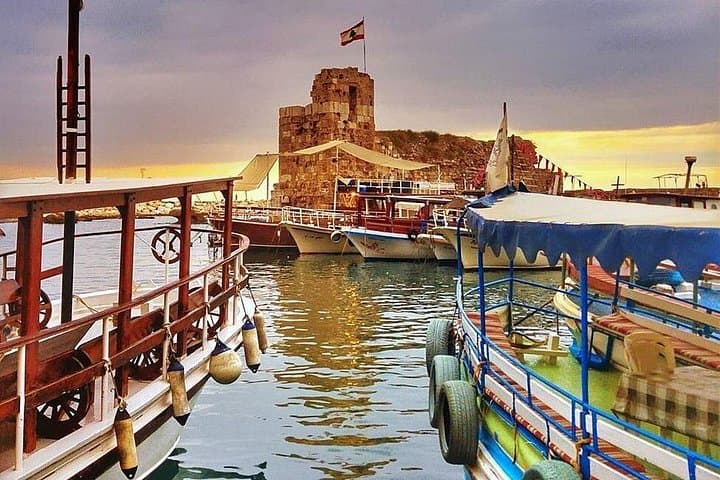


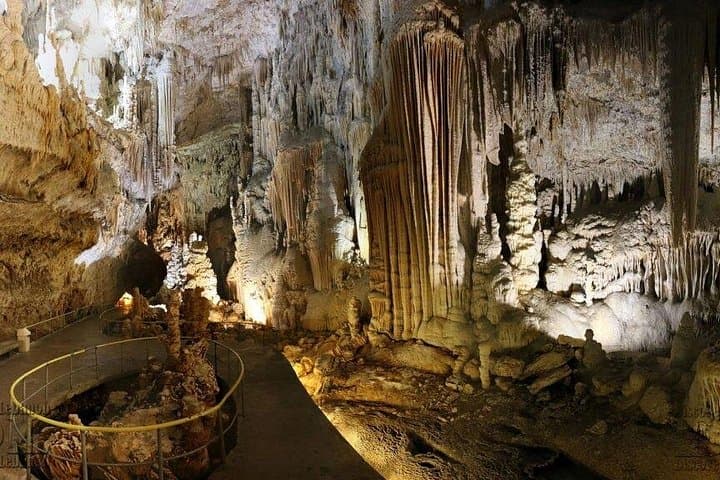
You step out of the air-conditioned vehicle and the cliffside seems to exhale: cool, damp air drifting from a labyrinth of limestone. In the Jeita Grotto the river dares you forward, carrying a soft, echoing murmur as a small boat slips beneath stalactites that hang like frozen drips. Later, the cable car to Harissa lifts you above a spread of blue sea and terraced pines; the statue of Our Lady of Lebanon watches over the bay. Byblos' stone streets answer with fishermen, Roman ruins and a harbor that still smells faintly of salt and tar.
You step out of the air-conditioned vehicle and the cliffside seems to exhale: cool, damp air drifting from a labyrinth of limestone. In the Jeita Grotto the river dares you forward, carrying a soft, echoing murmur as a small boat slips beneath stalactites that hang like frozen drips. Later, the cable car to Harissa lifts you above a spread of blue sea and terraced pines; the statue of Our Lady of Lebanon watches over the bay. Byblos' stone streets answer with fishermen, Roman ruins and a harbor that still smells faintly of salt and tar.
These three sites trace layers of Lebanon’s long story: prehistoric occupation at Byblos, millennia of Canaanite and Phoenician trade, and the slow chemistry of water on limestone that carved Jeita’s caverns over hundreds of thousands of years. Harissa is recent in comparison—a 20th-century pilgrimage complex rooted in older Christian traditions, sited on a promontory used for lookout and devotion.
Practically, expect short walks, guided access inside the upper and lower grottos (boat passage in the lower), and stair or ramp sections at Harissa and Byblos. Wear sturdy walking shoes—floors can be wet and uneven—bring a light layer for cave chill, and plan for about 4–6 hours if you’re taking it steady from Beirut. Photography is allowed in public areas but follow site rules in the grotto to protect microclimates.
Timing matters: mornings are quieter in the cave; late afternoon light flatters the stone of Byblos. Support local guides and vendors to keep these places maintained for the next visitor.