THE ADVENTURE COLLECTIVE® · Independent discovery and booking for outdoor travel

Taste your way through Gemmayzeh and Mar Mikhael on a 5-hour walking tour that pairs local history with iconic street dishes. Ideal for curious eaters who want cultural context with every bite.
Taste your way through Gemmayzeh and Mar Mikhael on a 5-hour walking tour that pairs local history with iconic street dishes. Ideal for curious eaters who want cultural context with every bite.
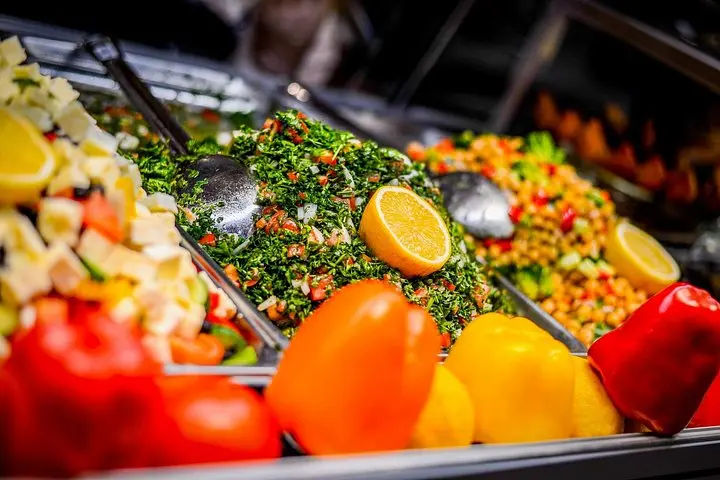
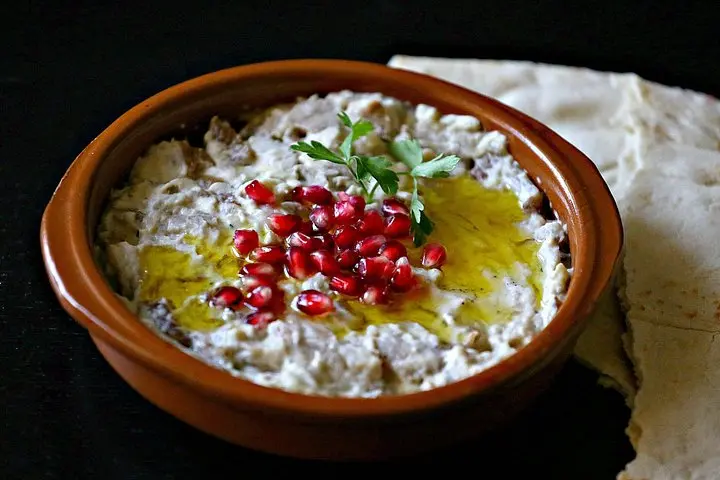
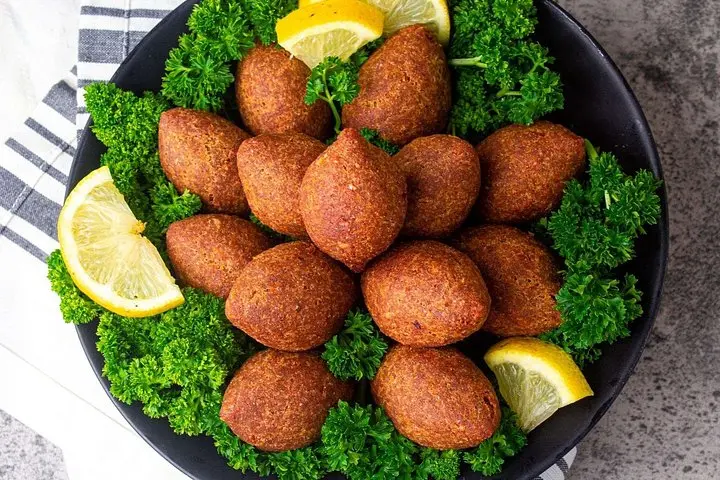
You step out into a lane where the Mediterranean wind pushes the scent of grilled meat and fresh herbs toward you, and the city answers with rattle and rhythm: scooters, vendors calling, and the steady hiss of a flat-top. This half-day walking tour threads through Gemmayzeh and Mar Mikhael, neighborhoods where narrow streets turn into open-air counters serving manousheh, shawarma, falafel and sweet knafeh.
Verified experiences and guided adventures in the surrounding area.
Operated by Beirut Trip · Beirut, Beirut
You step out into a lane where the Mediterranean wind pushes the scent of grilled meat and fresh herbs toward you, and the city answers with rattle and rhythm: scooters, vendors calling, and the steady hiss of a flat-top. This half-day walking tour threads through Gemmayzeh and Mar Mikhael, neighborhoods where narrow streets turn into open-air counters serving manousheh, shawarma, falafel and sweet knafeh.
Beirut’s foodways reflect layers of history — Phoenician trade routes, Ottoman mezze culture, French culinary techniques and local Levantine traditions — all concentrated into handheld bites. Geologically the city sits on limestone terraces above a short coastal plain; that proximity to the sea brings fresh citrus and seafood influences into the menus, while interior hill farms supply herbs and olives.
The tour is as much about place as plates: Armenian bakeries, small family-run grills, and market alleys where recipes pass between generations. Local guides point out where ingredients are sourced and how dishes evolved through conflict and migration, offering cultural context between tastings.
Practical side: expect 3–4 miles of slow walking over paved streets and occasional steps, with multiple short stops to sample food. Wear comfortable shoes, carry a light daypack for purchases and a water bottle for Beirut’s warm afternoons. Bring cash for small vendors and come hungry but ready to pace yourself—portions are generous.
This is a sensory, practical way to meet Beirut — through flavor, history and the people who cook for the city’s street-side tables.
About 3–4 miles total over 5 hours, on paved streets with occasional steps and short standing tastings.
Most guides can adjust stops for common allergies and vegetarian needs if notified in advance via booking questions.
Yes, the tour includes hotel pick-up and drop-off within central Beirut; confirm your pickup point at booking.
Guides typically speak English and Arabic; some may also speak French.
Beirut Trip operates guided outdoor trips and adventures with an emphasis on safety, stewardship, and memorable experiences.

You step out into a lane where the Mediterranean wind pushes the scent of grilled meat and fresh herbs toward you, and the city answers with rattle and rhythm: scooters, vendors calling, and the steady hiss of a flat-top. This half-day walking tour threads through Gemmayzeh and Mar Mikhael, neighborhoods where narrow streets turn into open-air counters serving manousheh, shawarma, falafel and sweet knafeh.
You step out into a lane where the Mediterranean wind pushes the scent of grilled meat and fresh herbs toward you, and the city answers with rattle and rhythm: scooters, vendors calling, and the steady hiss of a flat-top. This half-day walking tour threads through Gemmayzeh and Mar Mikhael, neighborhoods where narrow streets turn into open-air counters serving manousheh, shawarma, falafel and sweet knafeh.
Beirut’s foodways reflect layers of history — Phoenician trade routes, Ottoman mezze culture, French culinary techniques and local Levantine traditions — all concentrated into handheld bites. Geologically the city sits on limestone terraces above a short coastal plain; that proximity to the sea brings fresh citrus and seafood influences into the menus, while interior hill farms supply herbs and olives.
The tour is as much about place as plates: Armenian bakeries, small family-run grills, and market alleys where recipes pass between generations. Local guides point out where ingredients are sourced and how dishes evolved through conflict and migration, offering cultural context between tastings.
Practical side: expect 3–4 miles of slow walking over paved streets and occasional steps, with multiple short stops to sample food. Wear comfortable shoes, carry a light daypack for purchases and a water bottle for Beirut’s warm afternoons. Bring cash for small vendors and come hungry but ready to pace yourself—portions are generous.
This is a sensory, practical way to meet Beirut — through flavor, history and the people who cook for the city’s street-side tables.