THE ADVENTURE COLLECTIVE® · Independent discovery and booking for outdoor travel

Travel from Beirut into Lebanon’s limestone highlands to see the 255‑m Baatara Pothole, a peaceful mountain lake, and the historic coastal town of Batroun. This full‑day tour blends short hikes, geological spectacle, and seaside culture—perfect for a single-day escape from the city.
Travel from Beirut into Lebanon’s limestone highlands to see the 255‑m Baatara Pothole, a peaceful mountain lake, and the historic coastal town of Batroun. This full‑day tour blends short hikes, geological spectacle, and seaside culture—perfect for a single-day escape from the city.
On a clear morning the road out of Beirut peels away from the coast and climbs into limestone country: cliffs begin to assert themselves, orchards change to cedar and pine, and the air sharpens. Your first stop, the Baatara Pothole, announces itself with a thunder you feel more than hear — a 255‑meter curtain of meltwater daring gravity over three natural stone bridges carved into Jurassic limestone. A short, uneven path brings you to viewpoints where the chasm’s layered rock and suspended arches read like geological pages.
Verified experiences and guided adventures in the surrounding area.
Operated by Beirut Trip · Batroun, North Governorate
On a clear morning the road out of Beirut peels away from the coast and climbs into limestone country: cliffs begin to assert themselves, orchards change to cedar and pine, and the air sharpens. Your first stop, the Baatara Pothole, announces itself with a thunder you feel more than hear — a 255‑meter curtain of meltwater daring gravity over three natural stone bridges carved into Jurassic limestone. A short, uneven path brings you to viewpoints where the chasm’s layered rock and suspended arches read like geological pages.
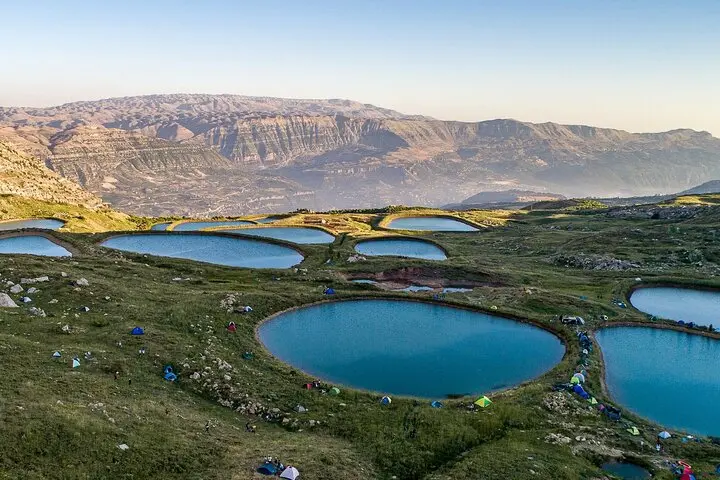
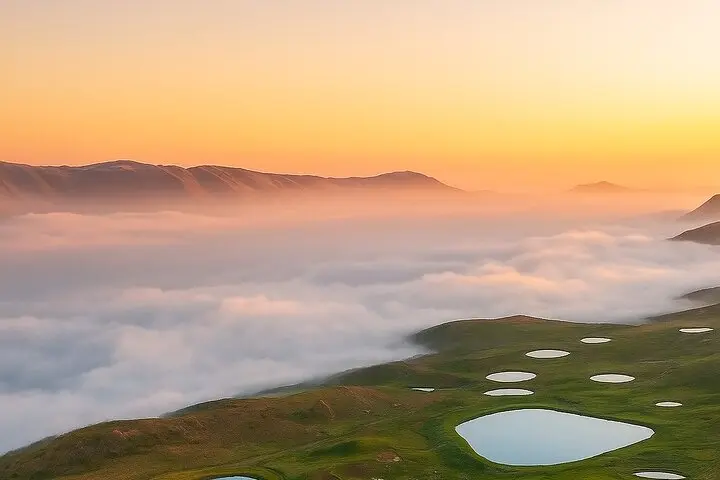
The landscape here is the product of karst erosion and glacial melt: caverns and sinkholes that shaped human settlement patterns from Phoenician coastal towns to mountain hamlets. Akoura Lake follows — a placid bowl of water framed by orchards and cliffs, where trout-topped streams and nearby vineyards offer a quieter counterpoint to the drama of the Pothole. The day finishes in Batroun, one of Lebanon’s oldest coastal towns, where Roman and Phoenician fragments meet Ottoman and modern stone houses; walk the old waterfront, sip a local lemonade, or scan for fishing boats returning with the evening catch.
Practical notes: this is a full‑day, vehicle‑led outing (≈8 hours) with several short walks — expect uneven trails and brief scrambles at viewpoints (vertical exposure minimal, elevation in mountain stops roughly 1,000–1,600 m). Spring brings peak waterfall flow; summer is dry but good for seaside finishing; wear sturdy shoes, layers, sun protection, and bring water. Respect private lands around Akoura and local customs in Batroun; leave no trace and keep distances from cliff edges.
This is a full‑day, approximately 8‑hour tour with multiple car transfers; expect 1–2 hours’ driving between major stops depending on traffic.
No — the Baatara Pothole is most impressive during spring melt; flow diminishes in late summer and early autumn.
Typical small‑group tours include transport and guide; entrance fees to protected sites and meals are usually not included—check your booking details.
The tour is rated easy overall, but viewpoints involve short uneven paths; travelers with limited mobility may find some areas difficult—ask about alternatives during booking.
Beirut Trip operates guided outdoor trips and adventures with an emphasis on safety, stewardship, and memorable experiences.
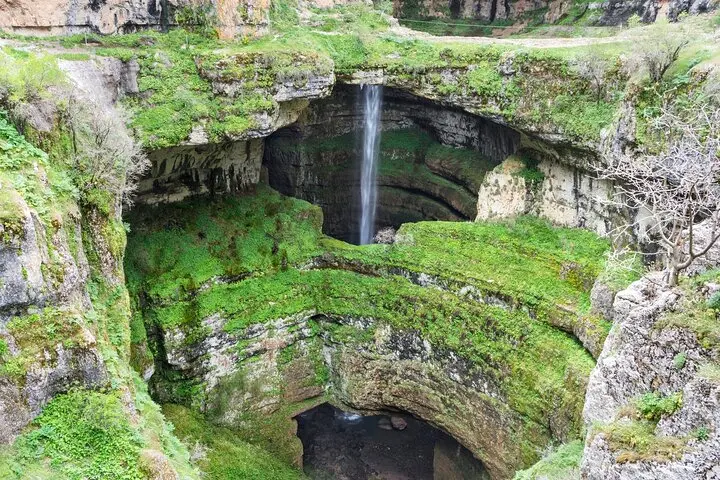
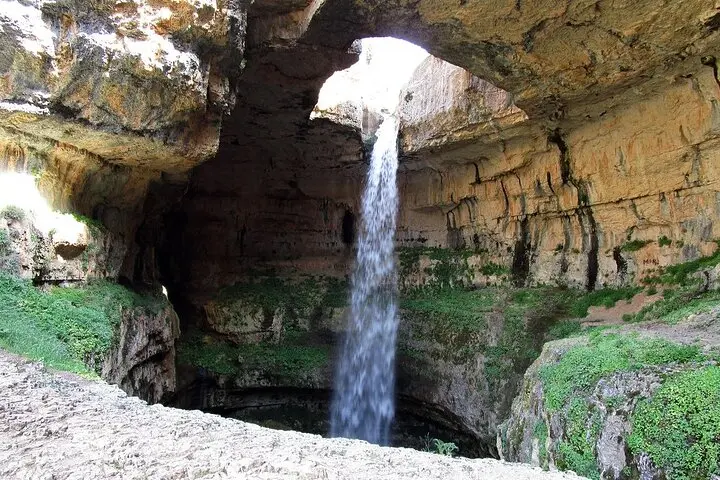
On a clear morning the road out of Beirut peels away from the coast and climbs into limestone country: cliffs begin to assert themselves, orchards change to cedar and pine, and the air sharpens. Your first stop, the Baatara Pothole, announces itself with a thunder you feel more than hear — a 255‑meter curtain of meltwater daring gravity over three natural stone bridges carved into Jurassic limestone. A short, uneven path brings you to viewpoints where the chasm’s layered rock and suspended arches read like geological pages.
On a clear morning the road out of Beirut peels away from the coast and climbs into limestone country: cliffs begin to assert themselves, orchards change to cedar and pine, and the air sharpens. Your first stop, the Baatara Pothole, announces itself with a thunder you feel more than hear — a 255‑meter curtain of meltwater daring gravity over three natural stone bridges carved into Jurassic limestone. A short, uneven path brings you to viewpoints where the chasm’s layered rock and suspended arches read like geological pages.
The landscape here is the product of karst erosion and glacial melt: caverns and sinkholes that shaped human settlement patterns from Phoenician coastal towns to mountain hamlets. Akoura Lake follows — a placid bowl of water framed by orchards and cliffs, where trout-topped streams and nearby vineyards offer a quieter counterpoint to the drama of the Pothole. The day finishes in Batroun, one of Lebanon’s oldest coastal towns, where Roman and Phoenician fragments meet Ottoman and modern stone houses; walk the old waterfront, sip a local lemonade, or scan for fishing boats returning with the evening catch.
Practical notes: this is a full‑day, vehicle‑led outing (≈8 hours) with several short walks — expect uneven trails and brief scrambles at viewpoints (vertical exposure minimal, elevation in mountain stops roughly 1,000–1,600 m). Spring brings peak waterfall flow; summer is dry but good for seaside finishing; wear sturdy shoes, layers, sun protection, and bring water. Respect private lands around Akoura and local customs in Batroun; leave no trace and keep distances from cliff edges.