THE ADVENTURE COLLECTIVE® · Independent discovery and booking for outdoor travel

Spend a day from Beirut exploring Tripoli’s Mamluk souks and the Phoenician seafront of Batroun. This guided tour pairs historic citadels and coastal views with a local lunch and market time.
Spend a day from Beirut exploring Tripoli’s Mamluk souks and the Phoenician seafront of Batroun. This guided tour pairs historic citadels and coastal views with a local lunch and market time.
You step out of an air‑conditioned minivan as the Mediterranean wind nudges the salt off the sea — Tripoli’s skyline of crenellated stone and minarets cuts a patient silhouette against the blue.
Verified experiences and guided adventures in the surrounding area.
Operated by Lebanon Daily Tours · Tripoli, North Governorate
You step out of an air‑conditioned minivan as the Mediterranean wind nudges the salt off the sea — Tripoli’s skyline of crenellated stone and minarets cuts a patient silhouette against the blue.
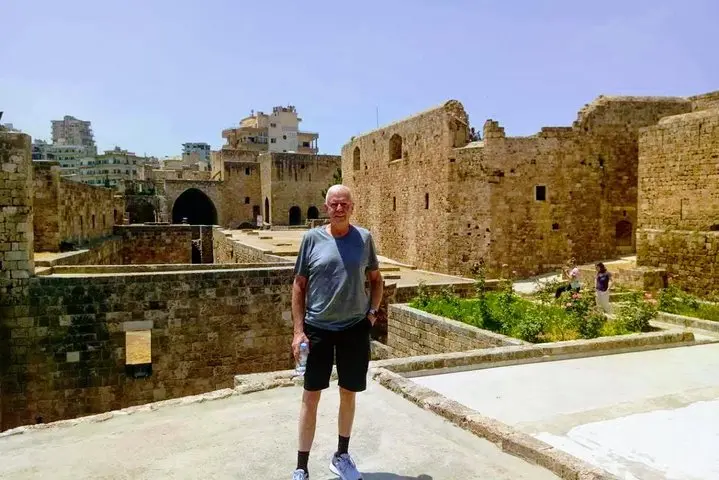
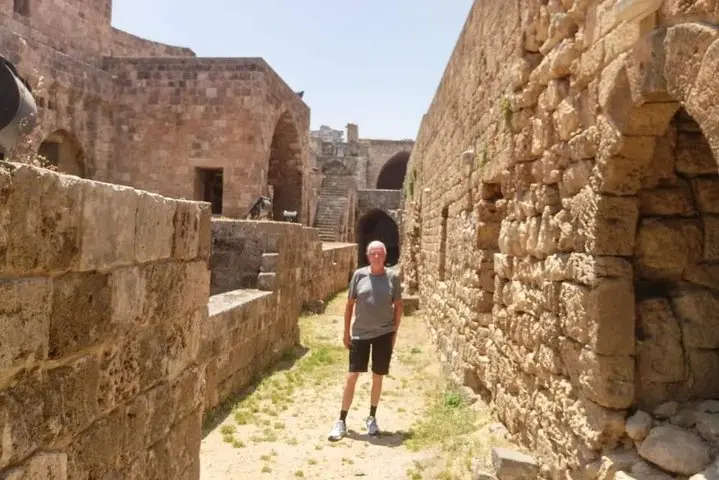
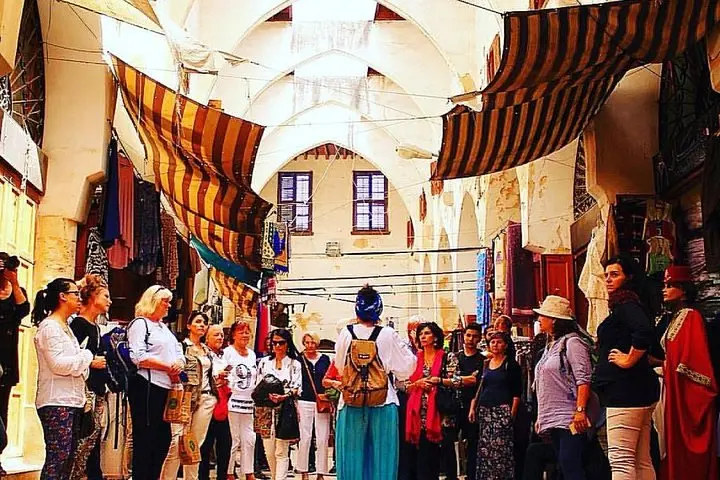
This full‑day circuit from Beirut threads two of Lebanon’s oldest coastal towns. Tripoli unfolds as a living medieval quarter: Mamluk mosques, hammams with pierced domes, and labyrinthine souks where metalworkers and soap makers still practice long‑standing trades. The Citadel of Saint Gilles perches above the city, its thick walls a palimpsest of Fatimid, Crusader, Mamluk and Ottoman interventions. A short coastal run south brings you to Batroun, where a Phoenician sea wall and compact old harbor meet citrus groves and modern cafés.
Geology here is coastal limestone and ancient reef structures, which the Phoenicians used to shape seawalls and harbor basins. Culturally the towns are a mix of Ottoman architecture and Phoenician‑Roman layers; sweets and soapmaking remain local signatures.
Practical guidance: the tour is about 8 hours with guided stops and a restaurant lunch included; expect walking on cobbles and some uneven stone steps, so sturdy shoes are recommended. Bring sun protection, a refillable water bottle, and a light layer for coastal breezes. Plan for midday heat in summer and check pickup details in Beirut ahead of time. Cash in small bills is handy for markets and tips; most major sites accept modest entry fees. Arrive curious and leave with photographs, citrus sweets, and a clearer sense of Lebanon’s coastal past and present.
The tour lasts about 8 hours and includes hotel pickup/drop‑off in Beirut, an air‑conditioned vehicle, English speaking driver, entrance to the Citadel, and lunch at a local restaurant.
Yes—this is rated easy with short walks; infant seats are available and the pace is moderate but check mobility needs for stone steps and narrow alleys.
Yes—the Tripoli souks and Batroun’s shops sell sweets, soaps and crafts; bring small bills for purchases.
Lunch and Citadel entrance fees are noted in the tour inclusions; verify with the operator if any additional site fees apply.
Lebanon Daily Tours operates guided outdoor trips and adventures with an emphasis on safety, stewardship, and memorable experiences.
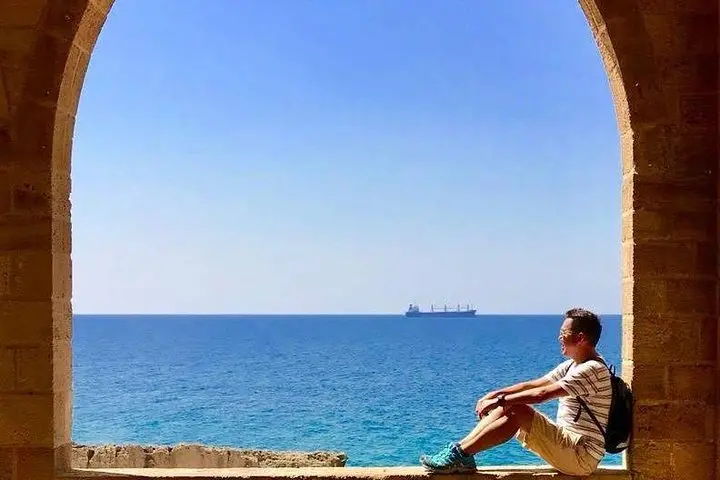
You step out of an air‑conditioned minivan as the Mediterranean wind nudges the salt off the sea — Tripoli’s skyline of crenellated stone and minarets cuts a patient silhouette against the blue.
You step out of an air‑conditioned minivan as the Mediterranean wind nudges the salt off the sea — Tripoli’s skyline of crenellated stone and minarets cuts a patient silhouette against the blue.
This full‑day circuit from Beirut threads two of Lebanon’s oldest coastal towns. Tripoli unfolds as a living medieval quarter: Mamluk mosques, hammams with pierced domes, and labyrinthine souks where metalworkers and soap makers still practice long‑standing trades. The Citadel of Saint Gilles perches above the city, its thick walls a palimpsest of Fatimid, Crusader, Mamluk and Ottoman interventions. A short coastal run south brings you to Batroun, where a Phoenician sea wall and compact old harbor meet citrus groves and modern cafés.
Geology here is coastal limestone and ancient reef structures, which the Phoenicians used to shape seawalls and harbor basins. Culturally the towns are a mix of Ottoman architecture and Phoenician‑Roman layers; sweets and soapmaking remain local signatures.
Practical guidance: the tour is about 8 hours with guided stops and a restaurant lunch included; expect walking on cobbles and some uneven stone steps, so sturdy shoes are recommended. Bring sun protection, a refillable water bottle, and a light layer for coastal breezes. Plan for midday heat in summer and check pickup details in Beirut ahead of time. Cash in small bills is handy for markets and tips; most major sites accept modest entry fees. Arrive curious and leave with photographs, citrus sweets, and a clearer sense of Lebanon’s coastal past and present.