THE ADVENTURE COLLECTIVE® · Independent discovery and booking for outdoor travel

Join a guided melukat purification at Beji Griya Waterfall near Ubud—an intimate, culturally rooted holy-bath ceremony set against a sheltered river gorge. Expect ritual blessings, a shallow plunge pool, and practical guidance from priests and guides.
Join a guided melukat purification at Beji Griya Waterfall near Ubud—an intimate, culturally rooted holy-bath ceremony set against a sheltered river gorge. Expect ritual blessings, a shallow plunge pool, and practical guidance from priests and guides.
The sound of water changes the pace here: a narrow gorge funnels a steady ribbon of cool, clear river that dares you closer, while palms and paddy edges lean in like curious onlookers. At Beji Griya, visitors step into a ritual as much as a place—the melukat purification—where pilgrims move through a sequence of water strikes and blessings beneath the falls.
Verified experiences and guided adventures in the surrounding area.
Operated by Bali Ritual Tours · Ubud, Bali
The sound of water changes the pace here: a narrow gorge funnels a steady ribbon of cool, clear river that dares you closer, while palms and paddy edges lean in like curious onlookers. At Beji Griya, visitors step into a ritual as much as a place—the melukat purification—where pilgrims move through a sequence of water strikes and blessings beneath the falls.
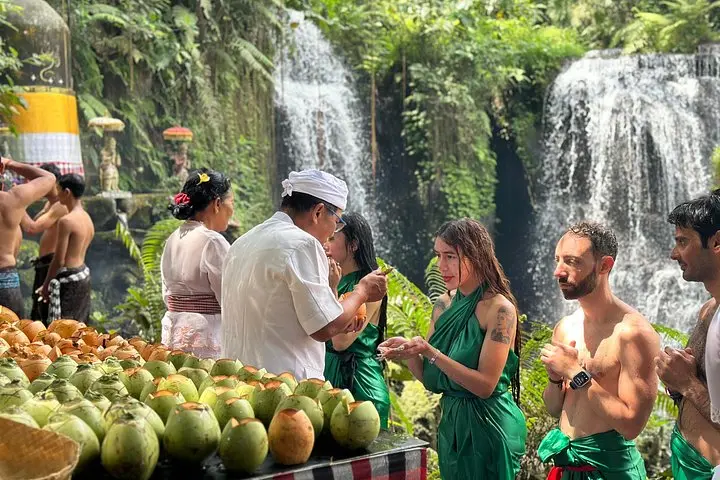
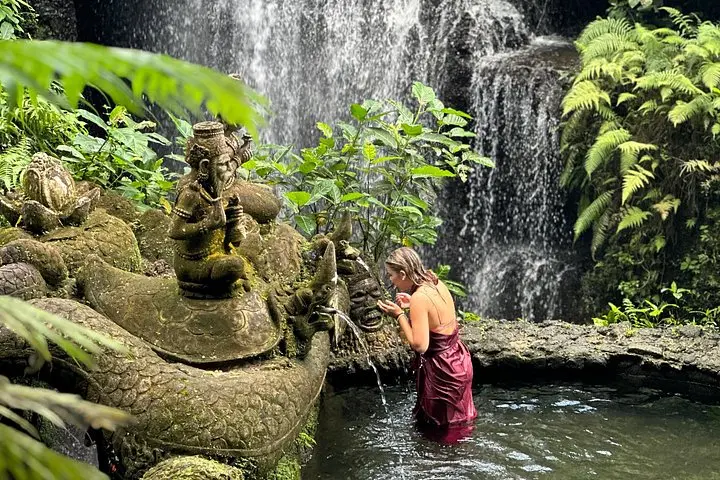
Geology and culture meet; the stream has carved volcanic sediments into smooth rock ledges and a shallow plunge pool, making the site practical for ritual bathing. The ceremony traces to Balinese Hindu practice of cleansing mind and aura—priests lead prayers, participants receive coconut offerings and guided dousing, and sarongs mark the boundary between tourism and tradition.
Expect a short walk from the parking or drop-off, uneven stone steps and damp surfaces. The experience is quieter in early morning when local pilgrims perform rites; afternoons bring more visitors and a livelier atmosphere. Guides and priests available on-site explain the sequence and provide sarongs, towels, and lockers.
Practical tips: wear water shoes for traction, bring a dry bag for valuables, and plan for 2–3 hours including transport. Avoid soap or sunscreen in the river, follow the priest’s instructions and local gender/menstruation rules, and dress modestly for temple etiquette. Photographs are common but follow cues—when a ceremony is underway, step back. Beji Griya is an encounter with landscape and belief: the water pushes you forward, the ritual grounds your visit.
The guided cleansing portion at the waterfall typically lasts 20–40 minutes; plan 2–3 hours for transport, briefing, and changing.
Yes—most operators include sarong use, towels and locker access as part of the experience.
Most visitors can participate, but pregnant women and those with certain medical conditions or menstruating women are often advised not to join; follow local guidance.
Photography is usually permitted, but be respectful—step back during intimate ritual moments and follow the priest’s requests.
Bali Ritual Tours operates guided outdoor trips and adventures with an emphasis on safety, stewardship, and memorable experiences.
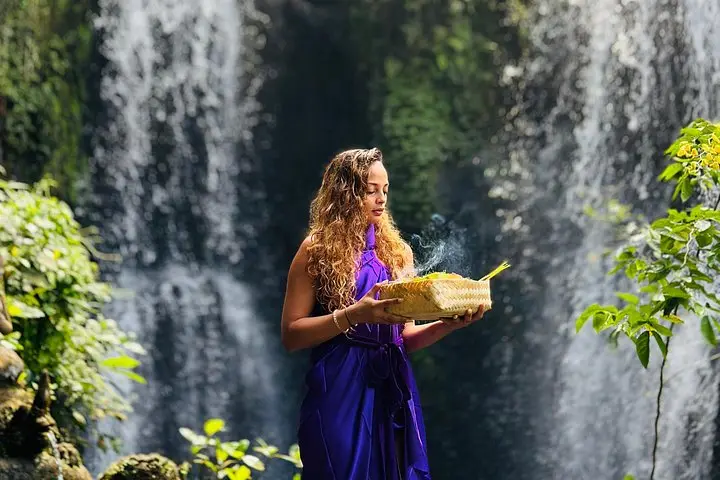
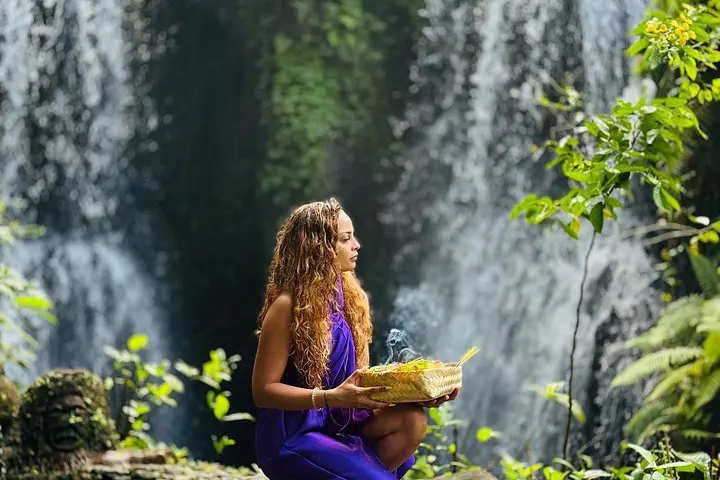
The sound of water changes the pace here: a narrow gorge funnels a steady ribbon of cool, clear river that dares you closer, while palms and paddy edges lean in like curious onlookers. At Beji Griya, visitors step into a ritual as much as a place—the melukat purification—where pilgrims move through a sequence of water strikes and blessings beneath the falls.
The sound of water changes the pace here: a narrow gorge funnels a steady ribbon of cool, clear river that dares you closer, while palms and paddy edges lean in like curious onlookers. At Beji Griya, visitors step into a ritual as much as a place—the melukat purification—where pilgrims move through a sequence of water strikes and blessings beneath the falls.
Geology and culture meet; the stream has carved volcanic sediments into smooth rock ledges and a shallow plunge pool, making the site practical for ritual bathing. The ceremony traces to Balinese Hindu practice of cleansing mind and aura—priests lead prayers, participants receive coconut offerings and guided dousing, and sarongs mark the boundary between tourism and tradition.
Expect a short walk from the parking or drop-off, uneven stone steps and damp surfaces. The experience is quieter in early morning when local pilgrims perform rites; afternoons bring more visitors and a livelier atmosphere. Guides and priests available on-site explain the sequence and provide sarongs, towels, and lockers.
Practical tips: wear water shoes for traction, bring a dry bag for valuables, and plan for 2–3 hours including transport. Avoid soap or sunscreen in the river, follow the priest’s instructions and local gender/menstruation rules, and dress modestly for temple etiquette. Photographs are common but follow cues—when a ceremony is underway, step back. Beji Griya is an encounter with landscape and belief: the water pushes you forward, the ritual grounds your visit.