THE ADVENTURE COLLECTIVE® · Independent discovery and booking for outdoor travel
A self-guided app-based treasure hunt through Belém that combines Lisbon’s Age of Discoveries monuments with local flavor and pastry stops. Walk 2–2.5 hours at your own pace while solving story-driven challenges that point you to the neighborhood’s highlights and hidden corners.
A self-guided app-based treasure hunt through Belém that combines Lisbon’s Age of Discoveries monuments with local flavor and pastry stops. Walk 2–2.5 hours at your own pace while solving story-driven challenges that point you to the neighborhood’s highlights and hidden corners.
You stand on the Tagus waterfront with a phone in your hand and a map that unfolds like a short story. Sea spray edges the plaza, gulls call across the river, and the Padrão dos Descobrimentos looms like a cast-iron prologue. The game guides you from the fortified silhouette of Belém Tower past the ornate portals of Jerónimos Monastery, nudging you into alleys and pastry shops where history and daily life intersect.
Verified experiences and guided adventures in the surrounding area.
Operated by Questo · Lisbon, Lisbon
You stand on the Tagus waterfront with a phone in your hand and a map that unfolds like a short story. Sea spray edges the plaza, gulls call across the river, and the Padrão dos Descobrimentos looms like a cast-iron prologue. The game guides you from the fortified silhouette of Belém Tower past the ornate portals of Jerónimos Monastery, nudging you into alleys and pastry shops where history and daily life intersect.
Belém is the ground zero of Portugal’s maritime era — 16th‑century voyages, Manueline stonework, and monuments to navigators who redrew world maps. The coastline here is reclaimed river plain and engineered shore layered with industrial-era warehouses, later softened by museum architecture like the MAAT. Local culture mixes reverence for discovery with relaxed riverfront cafés and the ritual of a late-morning pastel de nata.
Practically, this is a self-guided, app-driven urban treasure hunt: expect 2–2.5 hours of walking on paved promenades and cobbled plazas with frequent stops. Directions and story clues arrive on your phone; you move at your own pace, pausing for photos or pastries. Bring a charged phone and a small power bank, wear comfortable shoes for uneven stone, and plan mornings or late afternoons to avoid peak crowds. Public transport (tram and trains) and riverside ferries put you within easy reach of the start.
The experience blends easy sightseeing with low-stakes puzzle-solving — ideal for curious travelers who want context, movement, and the tactile pleasure of reading a city as they walk it.
No — the game directs you to exterior viewpoints and plazas; you’ll need separate admission for inside access to sites like Jerónimos Monastery or Belém Tower.
Yes, but the provider recommends one ticket per player for the optimal experience; several people can view clues on a single device if preferred.
Most riverside promenades and large squares are accessible, but some narrow alleys and cobbled surfaces may be challenging — check specific points if accessibility is essential.
The game is available 24/7 after download; choose a start time that matches monument opening hours if you plan to enter sites.
Questo operates guided outdoor trips and adventures with an emphasis on safety, stewardship, and memorable experiences.

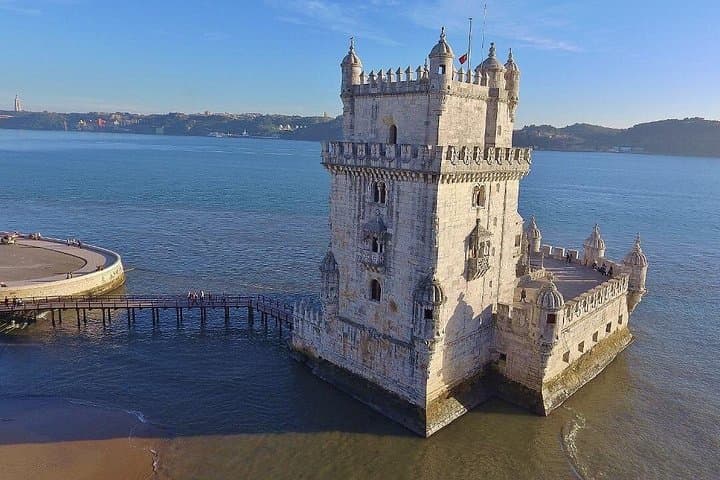

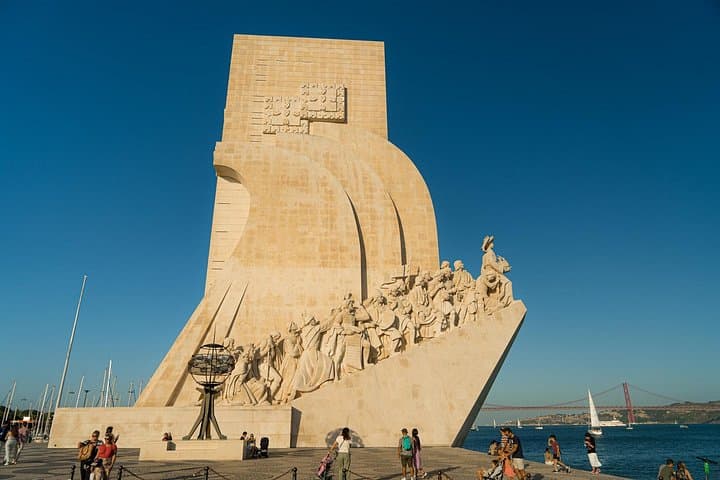
You stand on the Tagus waterfront with a phone in your hand and a map that unfolds like a short story. Sea spray edges the plaza, gulls call across the river, and the Padrão dos Descobrimentos looms like a cast-iron prologue. The game guides you from the fortified silhouette of Belém Tower past the ornate portals of Jerónimos Monastery, nudging you into alleys and pastry shops where history and daily life intersect.
You stand on the Tagus waterfront with a phone in your hand and a map that unfolds like a short story. Sea spray edges the plaza, gulls call across the river, and the Padrão dos Descobrimentos looms like a cast-iron prologue. The game guides you from the fortified silhouette of Belém Tower past the ornate portals of Jerónimos Monastery, nudging you into alleys and pastry shops where history and daily life intersect.
Belém is the ground zero of Portugal’s maritime era — 16th‑century voyages, Manueline stonework, and monuments to navigators who redrew world maps. The coastline here is reclaimed river plain and engineered shore layered with industrial-era warehouses, later softened by museum architecture like the MAAT. Local culture mixes reverence for discovery with relaxed riverfront cafés and the ritual of a late-morning pastel de nata.
Practically, this is a self-guided, app-driven urban treasure hunt: expect 2–2.5 hours of walking on paved promenades and cobbled plazas with frequent stops. Directions and story clues arrive on your phone; you move at your own pace, pausing for photos or pastries. Bring a charged phone and a small power bank, wear comfortable shoes for uneven stone, and plan mornings or late afternoons to avoid peak crowds. Public transport (tram and trains) and riverside ferries put you within easy reach of the start.
The experience blends easy sightseeing with low-stakes puzzle-solving — ideal for curious travelers who want context, movement, and the tactile pleasure of reading a city as they walk it.
