THE ADVENTURE COLLECTIVE® · Independent discovery and booking for outdoor travel

Step into Belén’s riverside market and the adjacent Floating City on a private 2–3 hour tour that mixes street-level commerce with riverborne daily life. Expect close-up food stalls, wooden walkways, and short boat hops guided by local interpreters.
Step into Belén’s riverside market and the adjacent Floating City on a private 2–3 hour tour that mixes street-level commerce with riverborne daily life. Expect close-up food stalls, wooden walkways, and short boat hops guided by local interpreters.
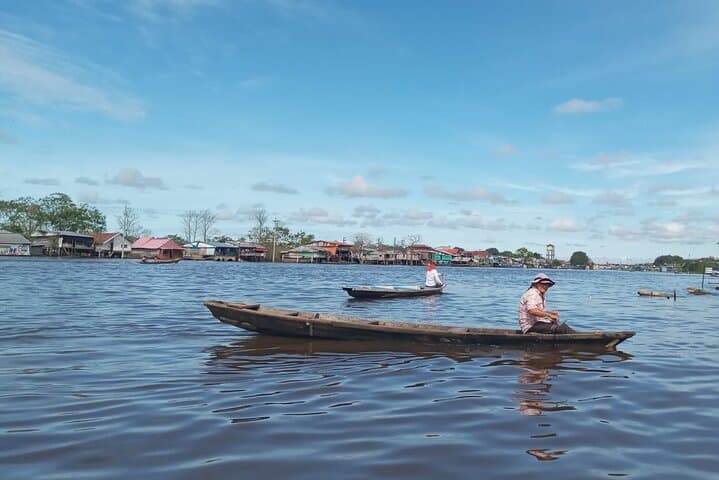
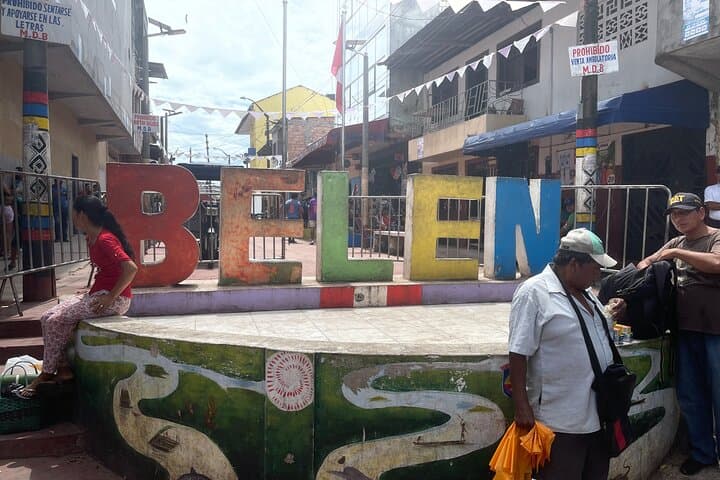
Dawn breaks over Iquitos and the Belén district is already moving: wooden stalls rise on stilts above slow brown water, vendors unpack crates of bright fruit while canoes thread narrow channels between floating houses. The market smells of frying fish, citrus, and wood smoke; the Floating City answers with creaks and the distant call of boat motors, daring visitors to step into a living river neighborhood.
Verified experiences and guided adventures in the surrounding area.
Operated by Kelwin Peña Andrade · Iquitos, Loreto
Dawn breaks over Iquitos and the Belén district is already moving: wooden stalls rise on stilts above slow brown water, vendors unpack crates of bright fruit while canoes thread narrow channels between floating houses. The market smells of frying fish, citrus, and wood smoke; the Floating City answers with creaks and the distant call of boat motors, daring visitors to step into a living river neighborhood.
Belén grew where seasonal floods reclaimed lowland forest, and its market grew with river trade during the rubber boom and subsequent urban expansion. Geologically this is the Amazon basin — broad floodplains, nutrient-rich sediments, and an ever-changing shoreline that shapes livelihoods. Culturally, Belén is an exchange zone where indigenous, mestizo, and urban influences meet: medicinal plants and wild-caught fish sit beside everyday staples and household goods.
On this private 2–3 hour tour expect a guided walk through covered aisles, short boat hops along the Itaya/Amazon fringe, and close-up looks at food stalls selling everything from piranha to tropical fruits. The route includes uneven boardwalks, narrow market passages, and busy riverfront docks — sensory and tactile, not sanitized. Guides explain local uses of plants, the mechanics of floating-house life, and how markets move with the river.
Plan for early-morning light and humidity: closed-toe shoes, insect repellent, small bills, and a camera with a respectful approach to photographing people. The tour is physically moderate — short walks and brief boat transfers — and best for travelers who can manage steps and crowded spaces. Timing, local knowledge, and a good guide turn a busy market into a clear window into Amazonian city life.
The private tour lasts about 2–3 hours and typically includes a local guide, market visits, and short boat transfers to the Floating City; confirm pickup details when booking.
Children can join, but infants must sit on an adult’s lap and the tour involves crowded, uneven areas; specialized infant seats may be available—ask when booking.
Many visitors enjoy cooked snacks and fruit; choose busy stalls with high turnover and avoid raw or poorly refrigerated products if you have a sensitive stomach.
The area has uneven boardwalks, steps, and boats—it's not recommended for travelers with significant mobility limitations, back problems, or certain pregnancy conditions.
Kelwin Peña Andrade operates guided outdoor trips and adventures with an emphasis on safety, stewardship, and memorable experiences.


Dawn breaks over Iquitos and the Belén district is already moving: wooden stalls rise on stilts above slow brown water, vendors unpack crates of bright fruit while canoes thread narrow channels between floating houses. The market smells of frying fish, citrus, and wood smoke; the Floating City answers with creaks and the distant call of boat motors, daring visitors to step into a living river neighborhood.
Dawn breaks over Iquitos and the Belén district is already moving: wooden stalls rise on stilts above slow brown water, vendors unpack crates of bright fruit while canoes thread narrow channels between floating houses. The market smells of frying fish, citrus, and wood smoke; the Floating City answers with creaks and the distant call of boat motors, daring visitors to step into a living river neighborhood.
Belén grew where seasonal floods reclaimed lowland forest, and its market grew with river trade during the rubber boom and subsequent urban expansion. Geologically this is the Amazon basin — broad floodplains, nutrient-rich sediments, and an ever-changing shoreline that shapes livelihoods. Culturally, Belén is an exchange zone where indigenous, mestizo, and urban influences meet: medicinal plants and wild-caught fish sit beside everyday staples and household goods.
On this private 2–3 hour tour expect a guided walk through covered aisles, short boat hops along the Itaya/Amazon fringe, and close-up looks at food stalls selling everything from piranha to tropical fruits. The route includes uneven boardwalks, narrow market passages, and busy riverfront docks — sensory and tactile, not sanitized. Guides explain local uses of plants, the mechanics of floating-house life, and how markets move with the river.
Plan for early-morning light and humidity: closed-toe shoes, insect repellent, small bills, and a camera with a respectful approach to photographing people. The tour is physically moderate — short walks and brief boat transfers — and best for travelers who can manage steps and crowded spaces. Timing, local knowledge, and a good guide turn a busy market into a clear window into Amazonian city life.