THE ADVENTURE COLLECTIVE® · Independent discovery and booking for outdoor travel

Ride Belfast’s iconic black cab through the city’s political murals and the Peace Wall with a local driver who lived the Troubles. Expect intimate histories, photo stops, and sensitive sites across Falls Road and Shankill in a focused 2‑hour tour.
Ride Belfast’s iconic black cab through the city’s political murals and the Peace Wall with a local driver who lived the Troubles. Expect intimate histories, photo stops, and sensitive sites across Falls Road and Shankill in a focused 2‑hour tour.
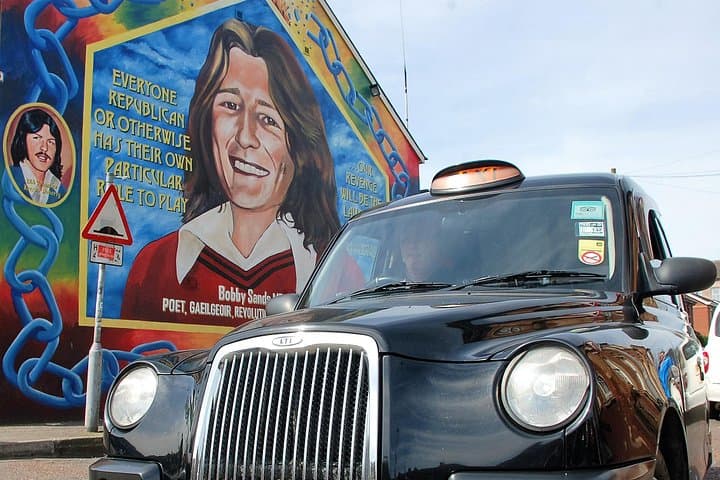
A black cab eases away from Cathedral Quarter and slides into a corridor of painted brick. The driver — a local who once ferried neighbours through checkpoints and curfews — points out a mural that still draws cameras and questions. The engine hums; the story begins.
Verified experiences and guided adventures in the surrounding area.
Operated by Belfast famous black taxi tours · Belfast, Northern Ireland
A black cab eases away from Cathedral Quarter and slides into a corridor of painted brick. The driver — a local who once ferried neighbours through checkpoints and curfews — points out a mural that still draws cameras and questions. The engine hums; the story begins.
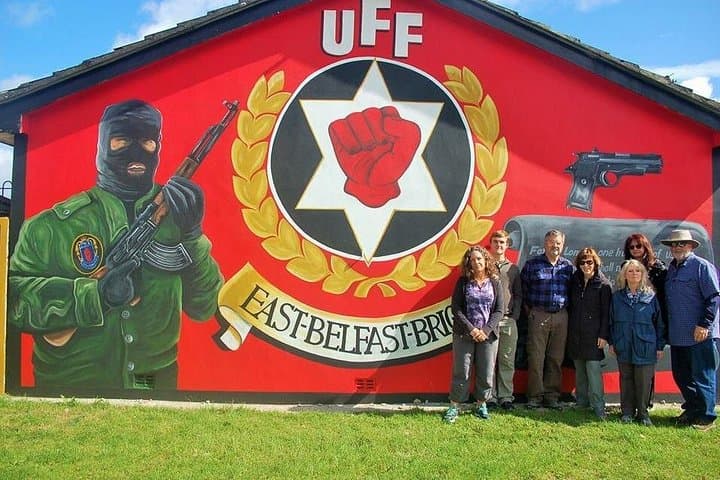
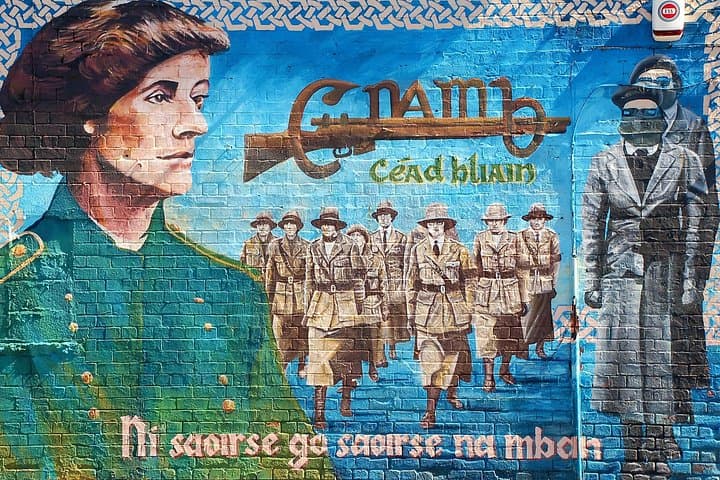
This 2‑hour ride threads Falls Road and Shankill, stopping at the International Wall and the Peace Wall where visitors can add a message. Belfast’s murals are public memory rendered in acrylic and politics: republican and loyalist compositions, paramilitary iconography, and community tributes that grew from three decades of conflict known as the Troubles. Geology and industry shaped the city too — the shipyards on the River Lagan and slate-faced terraces built for shipworkers set the backdrop for the social history you’ll hear.
Guides are often ex-drivers or local residents with first‑hand accounts; their perspective frames the murals not as spectacle but as living neighbourhood markers. Stops commonly include Clonard Monastery, the Martyrs’ Garden on Bombay Street, and exterior views of historic prison sites such as Crumlin Road Gaol.
Practical note: the tour is low‑impact physically but emotionally heavy — expect intimate stories, photo stops, and close-up views from the cab. Dress for variable weather, bring a camera, and keep conversations respectful: many sites remain sensitive for residents.
This is an urban cultural immersion — part street art crawl, part oral history — that offers context to Belfast’s present by tracing lines back through walls, songs, and the people who lived them.
The tour lasts about two hours and usually includes multiple photo stops along Falls Road, Shankill, the International Wall, and notable buildings like Clonard Monastery.
Yes—physically it’s easy, but parents should consider whether children are prepared for discussions about recent conflict and casualty memorials.
Yes—visitors are often invited to leave short messages on sections of the Peace Wall; markers may be provided at the stop.
Guides are typically original black cab drivers or local residents who lived through the period and provide first‑hand perspectives and contextual history.
Belfast famous black taxi tours operates guided outdoor trips and adventures with an emphasis on safety, stewardship, and memorable experiences.

A black cab eases away from Cathedral Quarter and slides into a corridor of painted brick. The driver — a local who once ferried neighbours through checkpoints and curfews — points out a mural that still draws cameras and questions. The engine hums; the story begins.
A black cab eases away from Cathedral Quarter and slides into a corridor of painted brick. The driver — a local who once ferried neighbours through checkpoints and curfews — points out a mural that still draws cameras and questions. The engine hums; the story begins.
This 2‑hour ride threads Falls Road and Shankill, stopping at the International Wall and the Peace Wall where visitors can add a message. Belfast’s murals are public memory rendered in acrylic and politics: republican and loyalist compositions, paramilitary iconography, and community tributes that grew from three decades of conflict known as the Troubles. Geology and industry shaped the city too — the shipyards on the River Lagan and slate-faced terraces built for shipworkers set the backdrop for the social history you’ll hear.
Guides are often ex-drivers or local residents with first‑hand accounts; their perspective frames the murals not as spectacle but as living neighbourhood markers. Stops commonly include Clonard Monastery, the Martyrs’ Garden on Bombay Street, and exterior views of historic prison sites such as Crumlin Road Gaol.
Practical note: the tour is low‑impact physically but emotionally heavy — expect intimate stories, photo stops, and close-up views from the cab. Dress for variable weather, bring a camera, and keep conversations respectful: many sites remain sensitive for residents.
This is an urban cultural immersion — part street art crawl, part oral history — that offers context to Belfast’s present by tracing lines back through walls, songs, and the people who lived them.