THE ADVENTURE COLLECTIVE® · Independent discovery and booking for outdoor travel

Ride in a real Belfast black cab with cross‑community drivers who lived through the Troubles. This two‑hour private tour combines street murals, peace walls and personal testimony for a compact, emotionally grounded view of the city's recent history.
Ride in a real Belfast black cab with cross‑community drivers who lived through the Troubles. This two‑hour private tour combines street murals, peace walls and personal testimony for a compact, emotionally grounded view of the city's recent history.
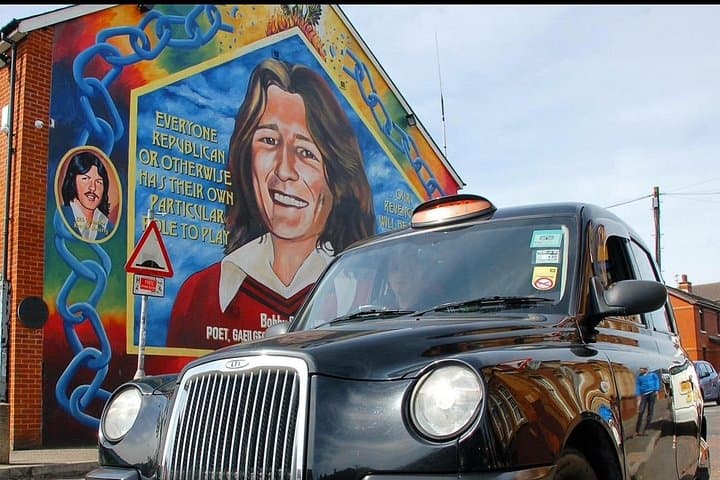
You climb into a Mercedes black cab and the city tilts into view: brick rows step down toward Belfast Lough, murals loom from gable ends, and the peace lines cut like a living map through neighborhoods that still carry the imprint of a recent past.
Verified experiences and guided adventures in the surrounding area.
Operated by belfastattractions.co.uk · Belfast, Northern Ireland
You climb into a Mercedes black cab and the city tilts into view: brick rows step down toward Belfast Lough, murals loom from gable ends, and the peace lines cut like a living map through neighborhoods that still carry the imprint of a recent past.
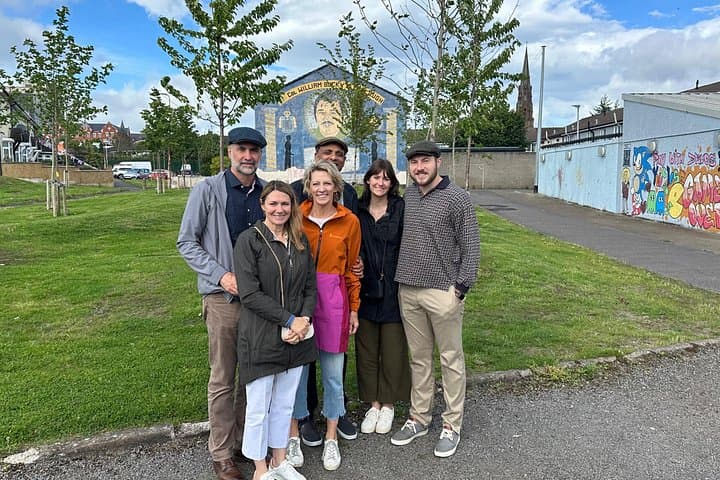
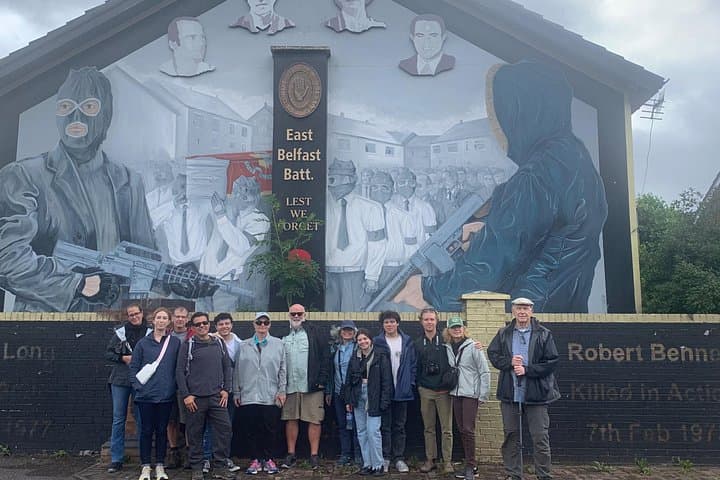
This two‑hour private tour is narrated by drivers whose lives overlapped with the Troubles — Protestant and Catholic voices sharing routes once avoided by public transport. Expect stops at iconic markers: the peace walls, themed murals on Falls and Shankill roads, remembrance gardens, and the hulking façade of Crumlin Road Gaol. Geology slips into the background — drumlin‑sculpted hills and the shallow sweep of the lough — but it’s the social landscape that dominates: contested memory, political murals, and community resilience.
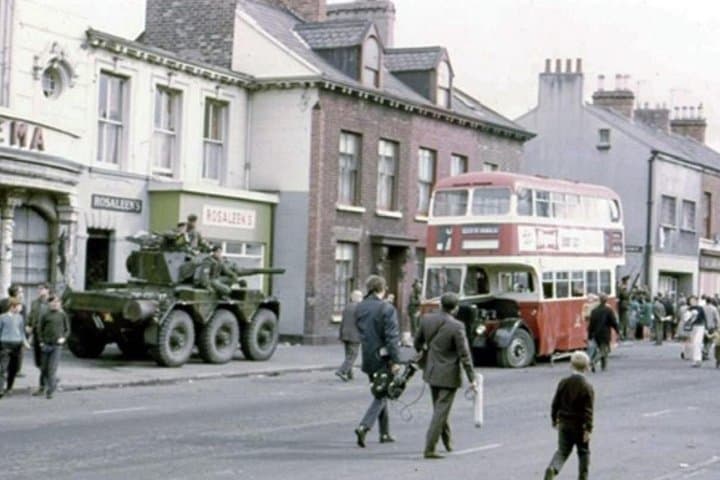
Local insight comes fast: why certain murals were painted, how black taxis kept neighborhoods linked when buses stopped, and how younger generations navigate identity today. The drivers blend lived anecdote, measured history, and wry humor; moments are both wrenching and unexpectedly light.
Practical guidance: tours are door‑to‑door, suitable for most travelers, and privately guided so questions are encouraged but sensitive subjects should be approached respectfully. Wear comfortable shoes for short walks, bring layers for changeable coastal weather, and allow extra time afterward to explore the surrounding city center or a local café. Photography is welcome in most places, but ask before photographing people or private property. This is a compact, emotionally rich way to understand Belfast’s recent past from the people who lived it.
The tour is door‑to‑door and can start from your hotel or a central pickup point in Belfast agreed at booking.
Yes — content can be adjusted, but some stories of loss and violence may be distressing for very young children.
Yes — the company operates with both Catholic and Protestant drivers who share perspectives and personal experiences.
Generally yes, but always ask your driver before photographing people, private property, or sensitive memorials.
belfastattractions.co.uk operates guided outdoor trips and adventures with an emphasis on safety, stewardship, and memorable experiences.
You climb into a Mercedes black cab and the city tilts into view: brick rows step down toward Belfast Lough, murals loom from gable ends, and the peace lines cut like a living map through neighborhoods that still carry the imprint of a recent past.
You climb into a Mercedes black cab and the city tilts into view: brick rows step down toward Belfast Lough, murals loom from gable ends, and the peace lines cut like a living map through neighborhoods that still carry the imprint of a recent past.
This two‑hour private tour is narrated by drivers whose lives overlapped with the Troubles — Protestant and Catholic voices sharing routes once avoided by public transport. Expect stops at iconic markers: the peace walls, themed murals on Falls and Shankill roads, remembrance gardens, and the hulking façade of Crumlin Road Gaol. Geology slips into the background — drumlin‑sculpted hills and the shallow sweep of the lough — but it’s the social landscape that dominates: contested memory, political murals, and community resilience.
Local insight comes fast: why certain murals were painted, how black taxis kept neighborhoods linked when buses stopped, and how younger generations navigate identity today. The drivers blend lived anecdote, measured history, and wry humor; moments are both wrenching and unexpectedly light.
Practical guidance: tours are door‑to‑door, suitable for most travelers, and privately guided so questions are encouraged but sensitive subjects should be approached respectfully. Wear comfortable shoes for short walks, bring layers for changeable coastal weather, and allow extra time afterward to explore the surrounding city center or a local café. Photography is welcome in most places, but ask before photographing people or private property. This is a compact, emotionally rich way to understand Belfast’s recent past from the people who lived it.